




Meet India’s ‘Friend in Space’
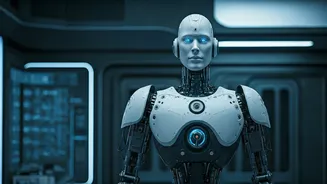
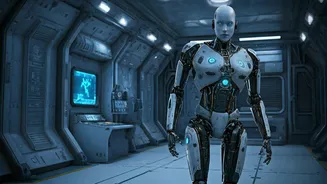
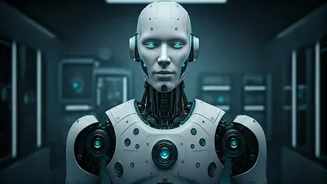
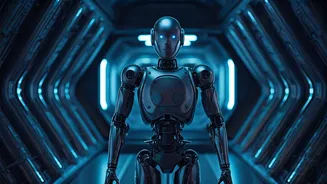
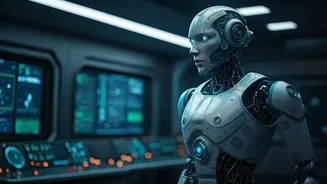
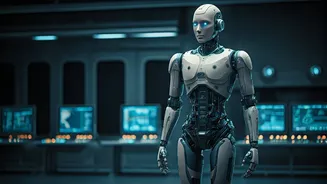
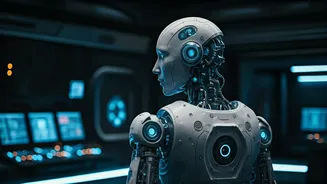
Vyommitra, whose name is derived from the Sanskrit words for space ('Vyoma') and friend ('Mitra'), is a sophisticated, female-presenting humanoid robot developed by ISRO. Unveiled in 2020, she is not just a passenger but an active participant designed
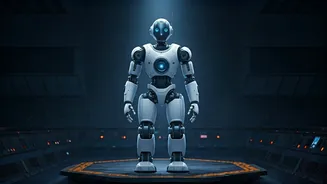
to pave the way for India's first human astronauts, or 'Gaganyatris'. As a half-humanoid, she possesses a head, torso, and two arms, but no legs, an efficient design for her role within the confines of a space capsule. Developed primarily at ISRO's Vikram Sarabhai Space Centre, she represents a significant leap in India’s robotics, AI, and space technology capabilities.
More Than Just a Test Dummy
Vyommitra’s primary mission is to be a robotic precursor to human astronauts, flying on uncrewed test missions of the Gaganyaan spacecraft. Her purpose is to test the rocket and crew module systems to ensure they are safe for humans. She can mimic human functions, monitor the crew module's environment—including temperature, pressure, and oxygen levels—and operate switch panels. Equipped with advanced sensors and AI, she can recognise human voices, respond to queries in both Hindi and English, and even replicate facial expressions. This allows her to communicate vital data back to mission control on the ground, effectively acting as a test pilot that can report on how the flight would feel for a human.
The Human Face of Gaganyaan
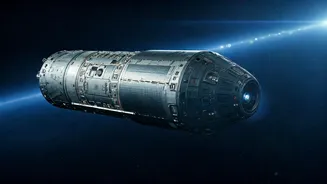
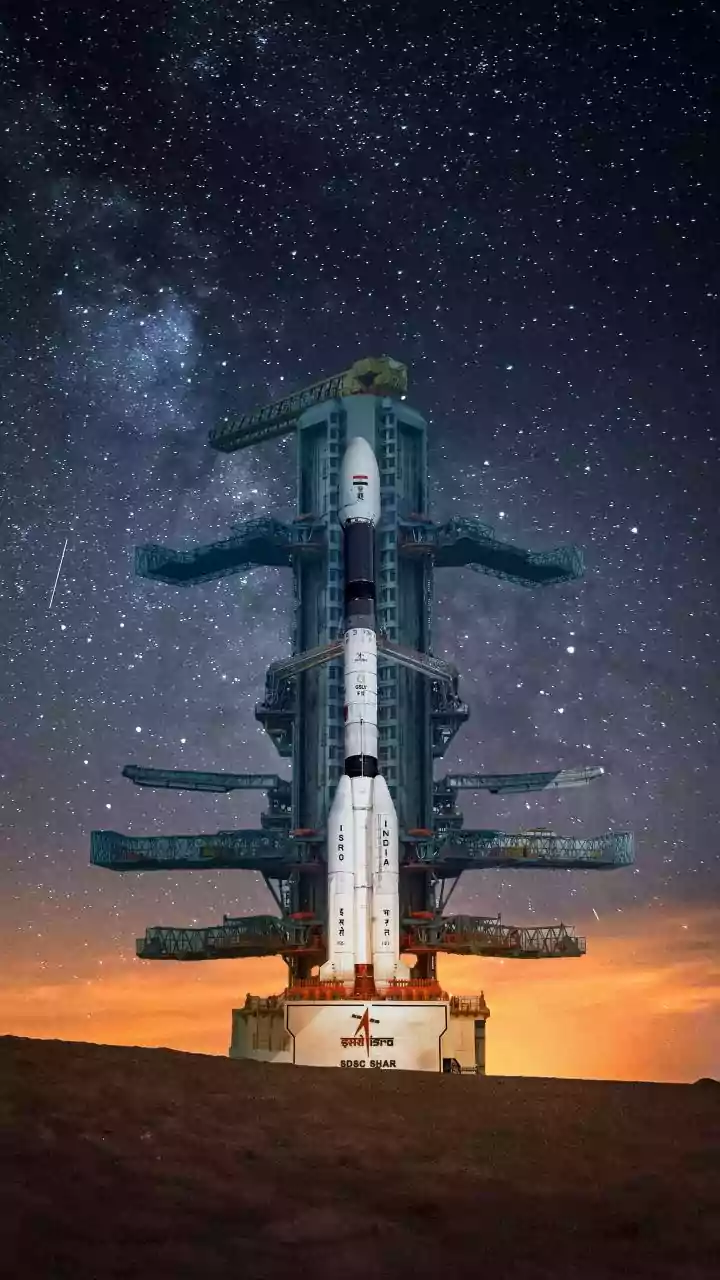
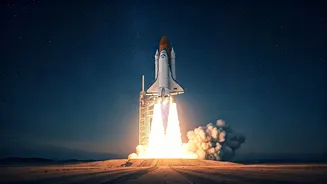
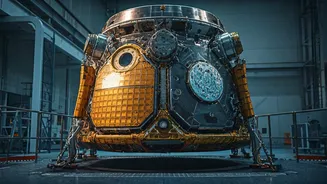
The Gaganyaan program is India's ambitious endeavor to send astronauts into a low-Earth orbit of about 400 kilometres and return them safely. Before risking human lives, ISRO is conducting a series of rigorous test flights. Vyommitra is central to this cautious and methodical approach. She is slated to fly on the first uncrewed Gaganyaan mission, G1, which will gather critical data on vibrations, radiation, and the performance of the life support systems. By simulating a human presence, Vyommitra helps ISRO understand and mitigate the immense risks of space travel, making the eventual crewed mission significantly safer for the astronauts who will follow.
An Icon for a New Generation
Beyond her technical role, Vyommitra has become a powerful symbol. For millions of Indians, the abstract goal of sending a human to space now has a tangible form. She makes the science feel more accessible and the national ambition more personal. Her creation showcases India’s growing prowess in integrating complex fields like robotics and artificial intelligence with aerospace engineering. As a female-named humanoid at the forefront of a major national scientific program, she also serves as an inspiration, encouraging a new generation to pursue careers in science, technology, engineering, and mathematics (STEM). She embodies a future where India is not just a participant but a leader in space exploration.
The Journey Ahead
The path to India’s first crewed spaceflight is a multi-step process. Following several successful uncrewed test flights, including a crucial parachute system test, the focus has shifted to the integrated missions. Vyommitra’s flight on the G1 mission, planned to launch in the latter half of 2026, will be a major milestone. This will be followed by further uncrewed test flights before the first crewed launch, currently targeted for 2027. As these missions progress, Vyommitra’s role will be crucial in validating every system, ensuring that when the Gaganyatris finally lift off, they do so with the confidence that their robotic friend has already tested the way for them.