


The Problem with Wet Balcony Pots
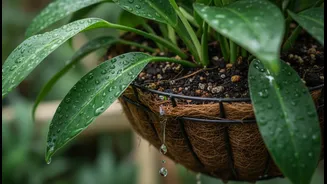
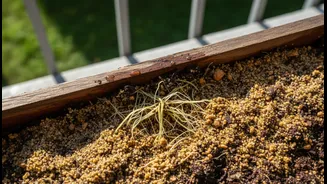
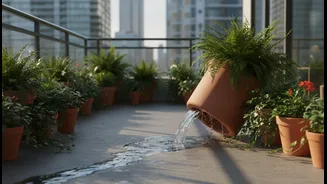
Container gardening on a balcony presents a unique challenge: drainage. Unlike garden beds, pots have a finite volume and can easily become waterlogged if the soil mix isn't right. When soil stays saturated, the air pockets that roots need to breathe
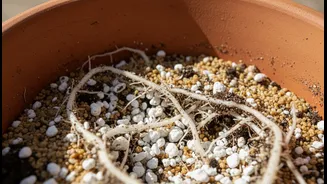
disappear. This lack of oxygen creates the perfect environment for root rot, a fungal disease that turns healthy, firm, white roots into a brown, mushy mess. Over time, the soil itself can become compacted, forming a dense, brick-like mass that physically blocks roots from growing and accessing nutrients. This internal collapse of the soil structure is a death sentence for many plants, leading to yellowing leaves, stunted growth, and eventual failure.
The Simple Science of Coarse Sand
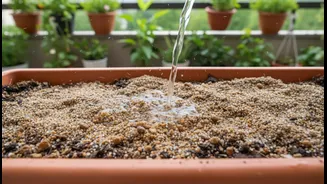
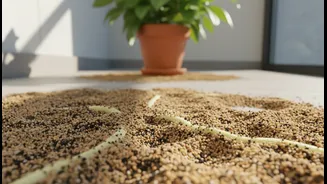
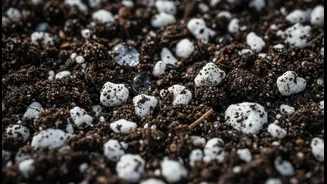
This is where coarse sand becomes a gardener's best friend. Not just any sand will do; fine-textured play sand or beach sand will actually worsen the problem by filling in air gaps and creating a concrete-like substance. You need coarse, sharp, or horticultural sand, which is made of larger, angular particles of materials like crushed quartz or granite. These gritty particles create macropores, or larger air pockets, within the potting mix. When you water your plants, these channels allow excess moisture to drain away freely instead of stagnating. This ensures that even after a heavy watering, oxygen can quickly return to the root zone, preventing the suffocating conditions that lead to rot.
Shielding the Fine Feeder Roots
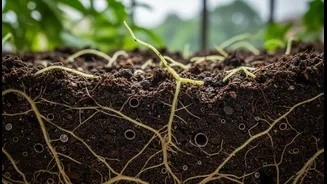
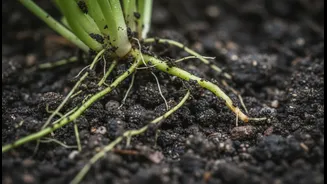
A plant's vitality depends on its network of fine feeder roots. These delicate, hair-like structures are responsible for absorbing the vast majority of water and nutrients. They are also the first to suffer when soil becomes compacted and waterlogged. By ensuring excellent aeration and drainage, coarse sand directly protects these crucial roots. In a loose, well-draining soil mix, roots can spread out easily, creating a strong foundation for a healthy plant. Good airflow prevents the anaerobic conditions that allow harmful fungi to multiply, effectively shielding the root system from attack. A healthy root system means a more resilient plant, better able to withstand changes in weather and recover from periods of stress.
A Practical Mixing Guide
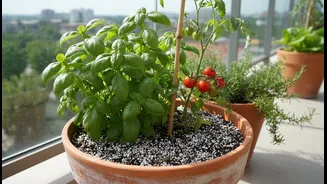
Incorporating sand into your balcony pots is straightforward. First, ensure you have the right kind: look for horticultural sand, sharp sand, or even builder's sand, which is a cost-effective alternative. A good general-purpose ratio for many plants is one part coarse sand mixed with two parts potting mix or compost. For succulents, cacti, and other plants that prefer drier conditions, you can increase the ratio to one part sand for every one part soil. When you're preparing your pots, blend the components thoroughly to ensure the sand is evenly distributed. This prevents layering, which can impede drainage rather than helping it. Also, resist the outdated advice to put a layer of gravel at the bottom of the pot; this practice has been shown to raise the water table inside the container and keep roots wetter, not drier.
Alternatives and Other Considerations
While coarse sand is an excellent and affordable choice, it's not the only option for improving drainage. Perlite, a lightweight volcanic glass, is a very popular amendment that provides excellent aeration. Pumice, another volcanic rock, serves a similar function and is heavier than perlite, which helps it stay mixed into the soil instead of floating to the top. Rice hulls and pine bark fines are organic options that also improve soil structure while breaking down over time to add nutrients. The best choice depends on your specific plants and budget. For many balcony gardeners, the weight, effectiveness, and low cost of coarse sand make it an ideal starting point for creating a potting mix that will keep your plants healthy and thriving season after season.