




North India: Golden Sunshine and Clear Skies
For much of North India, October signals the official start of the best time to travel. The Southwest Monsoon has typically withdrawn completely, taking the humidity and downpours with it. What’s left behind is a landscape washed clean, blue skies, and pleasantly
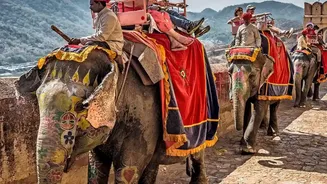
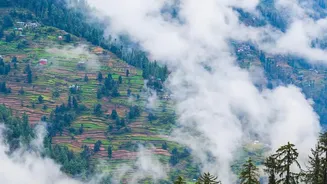
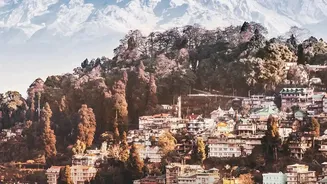
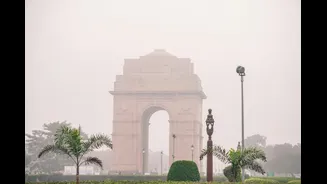
warm daytime temperatures. In states like Rajasthan, cities like Jaipur and Udaipur are bathed in comfortable, dry heat, perfect for exploring forts and palaces without the scorching intensity of summer. Further north, in the Himalayan foothills of Himachal Pradesh and Uttarakhand, the air turns crisp and clear. This is a prime month for trekking, as the trails are dry and the panoramic views of the snow-capped peaks are unobstructed by monsoon clouds. Delhi also enjoys this post-monsoon bliss, making it ideal for sightseeing.
South India: Lush Landscapes and a Second Monsoon
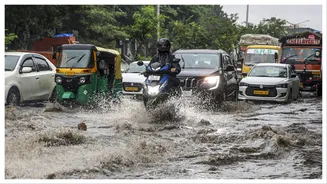
The travel picture in South India is more complex. While the heavy southwest monsoon recedes, the peninsula prepares for the Northeast Monsoon, often called the 'retreating monsoon'. This weather system primarily affects the southeastern coast, bringing significant rainfall to Tamil Nadu and parts of Kerala and Andhra Pradesh, usually from mid-October onwards. This doesn't mean you should avoid the South entirely. The region is spectacularly lush and green during this period. However, travellers should be prepared for afternoon showers and higher humidity. If you’re planning a trip to Kerala, the northern and central parts might be drier than the south. For beach lovers, it’s a month to be cautious and flexible with your plans, as seas can be rough.
West India: The Reawakening of Beach Season
October marks a cheerful reawakening along India’s west coast, particularly in Goa. After months of being battered by the monsoon, the beaches begin to dry out, shacks start to rebuild, and the tourism season officially kicks off. The first half of the month might still see a few lingering showers, but by late October, the weather is predominantly sunny and dry. This makes it a fantastic 'shoulder season' to visit. You get the benefit of beautiful, green scenery left over from the rains, but without the intense crowds and peak-season prices of December and January. Mumbai and the rest of Maharashtra also experience a significant drop in humidity, making city exploration and trips to the Western Ghats far more comfortable.
East and Northeast: Festivals and Mountain Vistas
Much like the north, the eastern and northeastern parts of India are a delight in October. The monsoon's departure leaves the region's tea gardens and national parks looking vibrant and full of life. In West Bengal, October is often the month of Durga Puja, the state's biggest festival, filling cities like Kolkata with incredible energy and artistry. For nature and adventure lovers, the Northeast is a paradise this month. In states like Sikkim and Meghalaya, the skies clear up to offer stunning, unobstructed views of the Himalayas, including the majestic Kanchenjunga. National parks such as Kaziranga in Assam, famous for the one-horned rhinoceros, typically reopen to visitors in October after being closed for the monsoon season. The weather is ideal for wildlife safaris, caving, and exploring the unique cultures of the region.