



The Problem with Saturated Fats
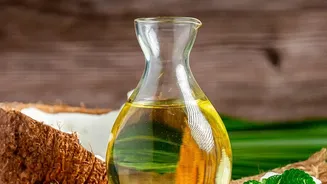
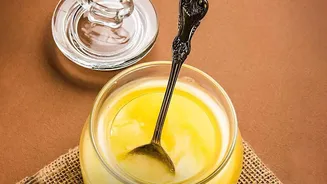
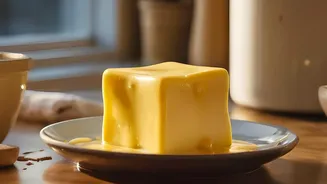
Saturated fats are a type of dietary fat that is typically solid at room temperature. Think of common staples in Indian kitchens: ghee, butter, vanaspati (hydrogenated vegetable oil), and even coconut and palm oils. While traditionally used for their
flavour and high smoke points, a diet high in these fats can cause problems for your heart. The primary concern is their effect on cholesterol. Eating too much saturated fat can raise the level of low-density lipoprotein (LDL) cholesterol, often called "bad" cholesterol, in your blood. High LDL levels are a major risk factor for heart disease and stroke because they contribute to the buildup of plaque in your arteries, a condition known as atherosclerosis.
Understanding the Heart Health Connection
When you consume saturated fats, your body's ability to clear LDL cholesterol from the bloodstream can be reduced. This leads to higher circulating levels of LDL, which can deposit in the walls of your arteries. Over time, these deposits harden and narrow the arteries, restricting blood flow to the heart and other parts of the body. This process significantly increases your long-term risk of cardiovascular events. The American Heart Association recommends that saturated fat should make up less than 6% of your total daily calories. For an average 2,000-calorie diet, that’s about 13 grams per day. This shows that while a little is okay, moderation is crucial for protecting your heart over the decades.
Meet the Healthier Alternatives: Unsaturated Fats
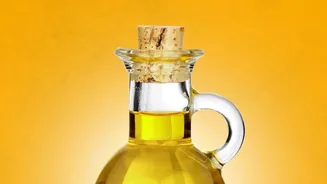
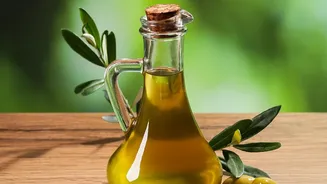
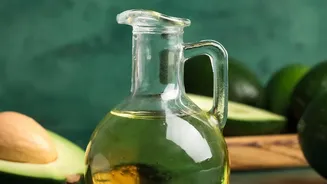
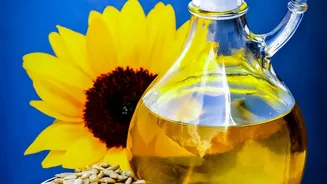
The good news is that you don't have to give up flavour to protect your heart. The solution lies in replacing saturated fats with unsaturated fats. These fats, which are usually liquid at room temperature, are divided into two main types: monounsaturated and polyunsaturated fats. Research has clearly established that making this swap is associated with a significant reduction in the risk of cardiovascular disease. Healthier cooking oils readily available in India include mustard oil, groundnut (peanut) oil, sesame oil, and sunflower oil. Olive oil is another excellent choice, particularly for sautéing and dressings. These oils are rich in 'good' fats that help lower bad cholesterol and provide essential fatty acids your body needs.
Simple Swaps for Your Indian Kitchen
Making changes can feel daunting, but starting with small, consistent swaps is highly effective. Instead of using a large spoonful of ghee for your daily dal tadka, try a heart-healthy option like mustard or groundnut oil. For dishes that require cream or malai, consider using low-fat yogurt or a paste of soaked nuts to achieve a similar creamy texture. Be mindful of snacks, as deep-fried foods like samosas and pakoras often contain high levels of unhealthy fats. Opt for baked or air-fried versions instead. When choosing oils, consider cold-pressed varieties, which retain more nutrients. Even reducing the amount of fat used overall and avoiding reheating oil multiple times can make a significant difference.
The Long-Term Payoff for Your Heart
The benefits of replacing saturated fats with unsaturated ones extend far beyond just your next cholesterol report. It's a long-term investment in your health. Consistently making this dietary change helps lower your LDL cholesterol, reduce your overall risk of developing heart disease, and supports better artery health. Some people even report feeling more energetic when they reduce their saturated fat intake. By being mindful of the fats you cook with every day, you are actively building a defence against future cardiovascular problems. These small adjustments, when practised over years and decades, add up to a powerful strategy for maintaining a healthy, resilient heart for life.