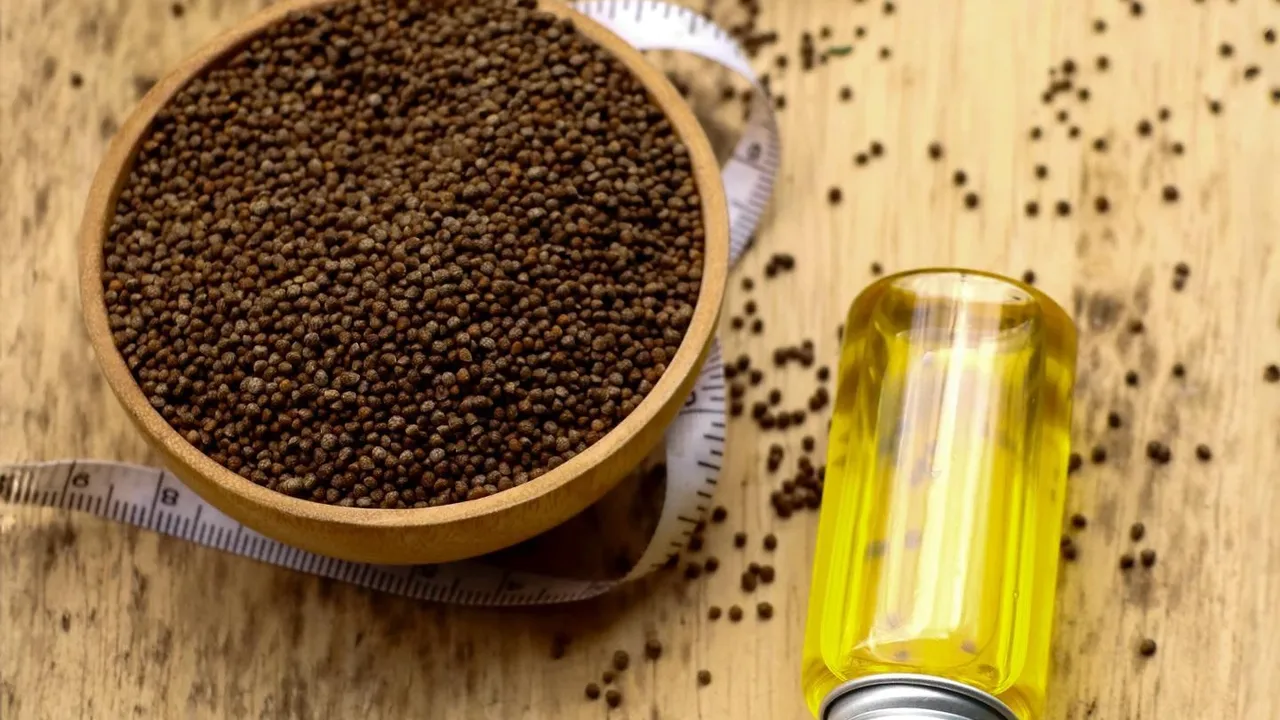








What Are Cold-Pressed Oils?
Cold-pressed oils are extracted using a simple, traditional method. Oil-bearing seeds or nuts like mustard, coconut, or groundnut are crushed and pressed mechanically to extract the oil without using high heat. This process, often done in a wooden press ('ghani'
or 'chekku'), keeps temperatures low, typically below 49°C. The major benefit of this gentle extraction is that the oil retains its natural flavour, aroma, and, most importantly, its nutritional profile. These oils are rich in antioxidants, vitamins like Vitamin E, and beneficial plant compounds that are otherwise destroyed by heat.
What Are Refined Oils?
Refined oils are produced through a multi-stage industrial process designed for high yield, neutrality, and long shelf life. The process often starts with high-heat extraction, sometimes using chemical solvents like hexane to get every last drop of oil from the seeds. The crude oil then undergoes several treatments: degumming, neutralization with an alkali to remove free fatty acids, bleaching with clays to remove colour, and deodorization at very high temperatures (over 200°C) to remove any smell. While this makes the oil look clean and uniform, it also strips away most of its natural nutrients, including antioxidants and vitamins.
The Nutrient Showdown
When it comes to nutrient density, cold-pressed oils have a clear advantage. Because they are minimally processed, they retain a significant amount of their natural goodness. Studies show that refined oils can lose a large portion of their antioxidant content during processing. Cold-pressed oils deliver beneficial compounds like polyphenols and tocopherols, which help fight inflammation and cellular damage. While the basic fat composition (like monounsaturated or polyunsaturated fats) remains, the intensive refining process removes many of the micronutrients that make an oil more than just a source of fat. Essentially, cold-pressed oils offer more than just calories; they bring valuable nutrients to your plate.
The Smoke Point Factor
Smoke point is the temperature at which an oil starts to burn and produce visible smoke. Cooking an oil past this point not only ruins the flavour but also creates harmful compounds. This is where refined oils have a distinct advantage. The refining process removes impurities that cause oils to smoke at lower temperatures, resulting in a higher smoke point. For instance, refined groundnut oil has a smoke point of around 230°C, while its cold-pressed counterpart smokes between 160-180°C. This makes refined oils a safer choice for high-heat cooking methods like deep frying, where temperatures can easily exceed 180°C.
Making the Right Choice for Your Kitchen
The best oil isn't a single product but depends entirely on how you're using it. It's wise to have more than one type of oil in your pantry. For no-heat or low-heat applications like salad dressings, dips, and drizzling over finished dishes, nutrient-dense cold-pressed oils like extra virgin olive oil, flaxseed, or walnut oil are perfect as their flavours and health benefits are preserved. For everyday Indian cooking like preparing tadka, sautéing vegetables, and making curries, which typically happens between 120-180°C, heat-stable cold-pressed oils like groundnut, mustard, and coconut oil work very well. For sustained high-heat cooking, especially deep frying pooris or samosas where temperatures are consistently high, a refined oil with a higher smoke point (like refined sunflower or groundnut oil) provides a safer margin.