


The Science of Living Concrete
Imagine a road that functions like a living organism, healing its own wounds. This is the core idea behind self-healing concrete, also known as bio-concrete. At its heart are specific types of bacteria, such as Bacillus pasteurii or Bacillus subtilis,
which are naturally found in soil and are harmless to humans. These bacterial spores are mixed into the concrete along with their food source, typically encapsulated calcium lactate. While the concrete is intact, the bacteria lie dormant and inactive, sometimes protected within tiny capsules or lightweight aggregates to shield them from the highly alkaline environment. They can remain viable for decades, waiting for the right conditions to spring into action. This isn't just a lab curiosity; researchers in India and around the world are actively developing this technology, seeing it as a way to create more resilient and sustainable infrastructure.
How the Healing Process Works
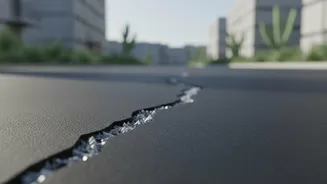
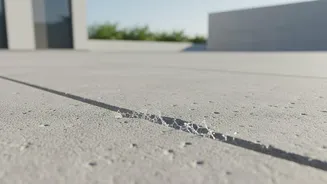
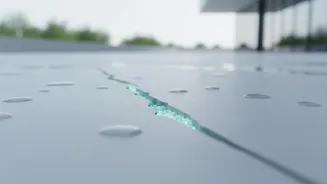
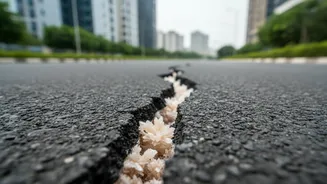
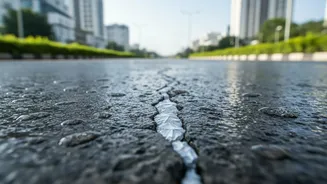
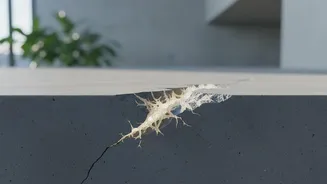
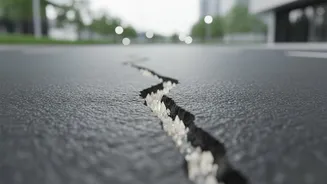
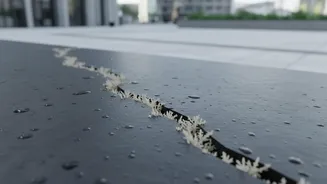
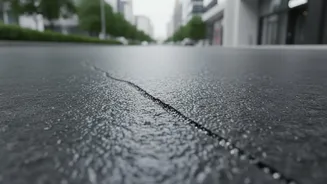
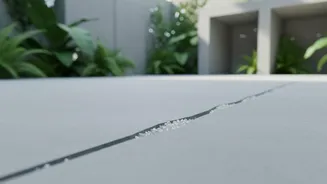
The magic happens when a crack forms. During the monsoon, rainwater seeps into these fissures, reaching the dormant bacteria. This water acts as a trigger, waking the microbes from their slumber. Once activated, the bacteria begin to feed on the calcium lactate. Through a metabolic process, they produce limestone, or calcium carbonate, as a waste product. This limestone precipitate steadily fills the crack from the inside out, effectively sealing it and restoring the concrete's integrity. The process is similar to how a bone heals, using biological building blocks to repair damage. Research has shown this method, called Microbially Induced Calcite Precipitation (MICP), can effectively mend cracks up to 0.8 mm wide, preventing small fissures from turning into major potholes. The very water that causes the damage becomes the catalyst for repair.
A Game-Changer for Indian Roads?
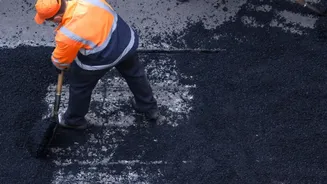
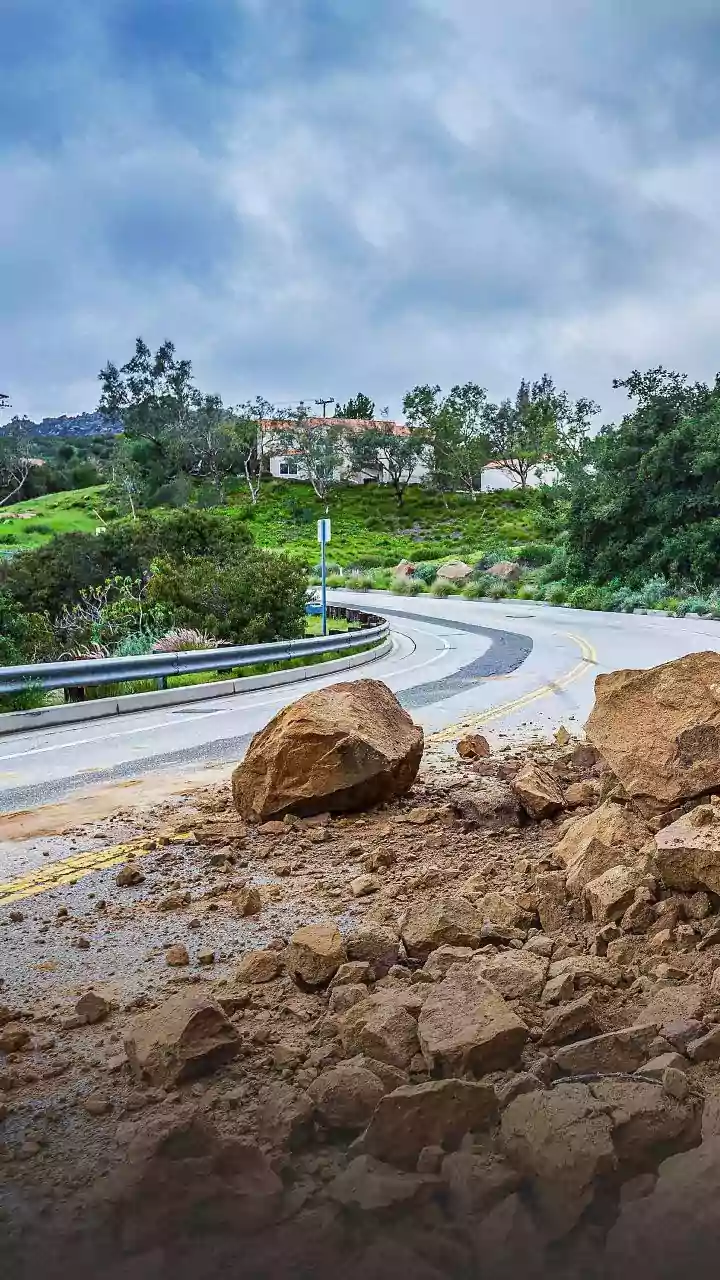
The potential for a country like India is immense. Each year, governments and citizens spend enormous sums on temporary pothole fixes that barely last a single rainy season. These damaged roads lead to traffic congestion, vehicle damage, and tragic accidents. Bio-concrete offers a paradigm shift from a cycle of constant repair to one of built-in resilience. For infrastructure like bridges, tunnels, and highways, where maintenance is difficult and costly, the benefits are even clearer. By extending the lifespan of concrete structures by 20-30% and reducing repair costs by up to 40%, this technology could lead to safer, more reliable road networks. Furthermore, reducing the need for frequent repairs also cuts down on the production of cement, a major contributor to carbon emissions. The National Highways Authority of India (NHAI) is already exploring self-healing technologies for road maintenance, indicating a growing interest in such innovations.
The Roadblocks to Widespread Adoption
Despite its incredible promise, you shouldn't expect to be driving on self-healing roads tomorrow. The single biggest hurdle is cost. Current formulations of bacterial concrete can be significantly more expensive than traditional concrete, with some estimates suggesting a 10-30% higher upfront cost. While proponents argue that this initial investment is offset by massive long-term savings on maintenance, convincing developers and public works departments to bear the higher initial expense is a major challenge. There are also technical questions to resolve. Researchers are still working to optimize the type of bacteria, ensure their long-term survival under harsh Indian traffic and weather conditions, and scale up production to an industrial level. Standardization is another issue; there are currently no uniform methods for producing and implementing bio-concrete, making quality control difficult. Extensive pilot projects, like those being explored by institutions like NIT Srinagar, are needed to prove its real-world viability and develop cost-effective solutions for the Indian context.