

Anchor Your Bed Wisely
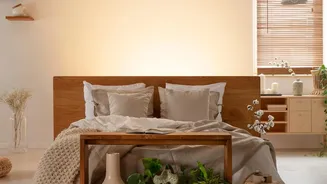
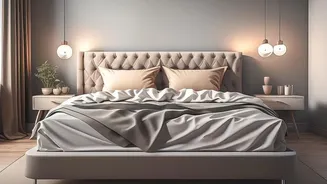
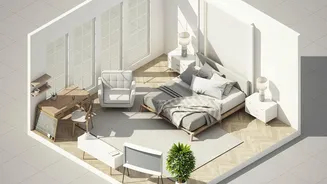
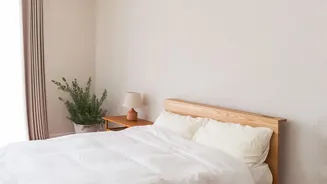
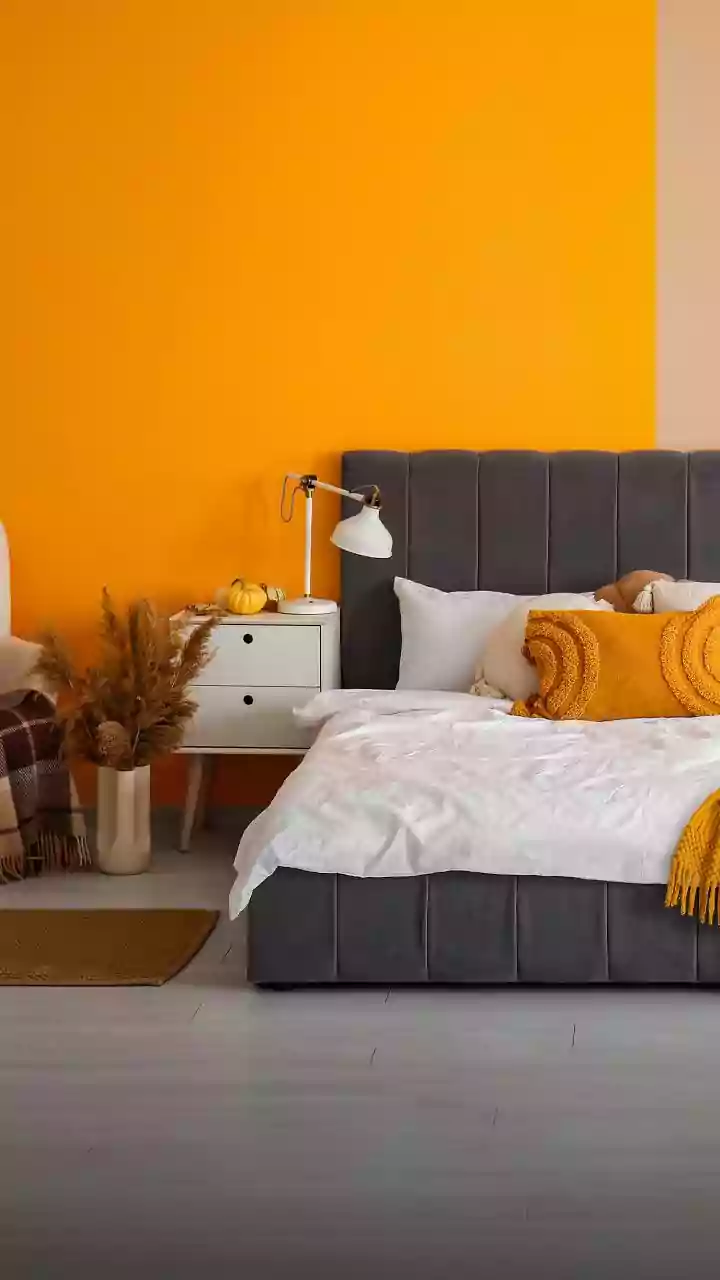
The bed is the largest piece of furniture, so its position is crucial. A common instinct is to push it against the wall opposite the door. However, for light optimisation, consider placing it on the wall adjacent to the window. This prevents the bed from
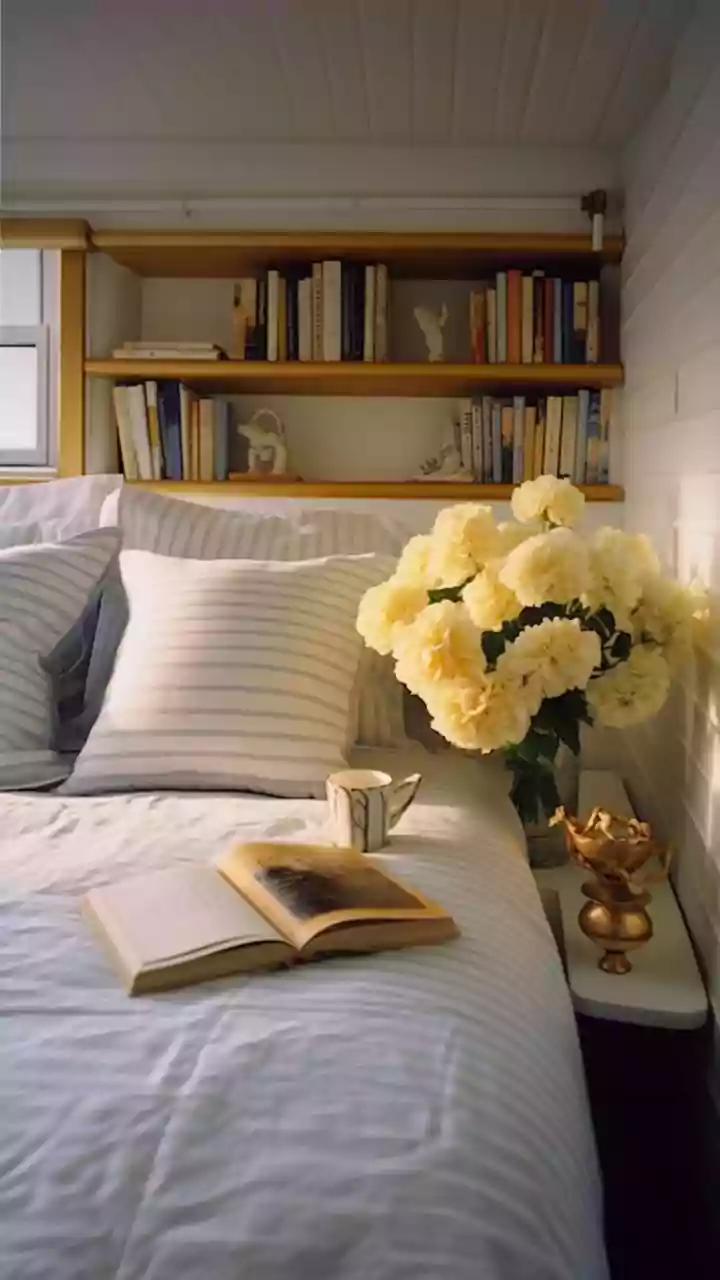
blocking incoming light and creates a beautiful, sun-drenched focal point. If possible, opt for a low headboard to keep sightlines clear and allow light to travel further into the room. Centering the bed on its wall brings a sense of symmetry and calm, making the room feel more organised and spacious.
Embrace Low-Profile Furniture
Furniture that sits lower to the ground creates an illusion of higher ceilings and a more open space. Tall, bulky wardrobes and dressers can cast large shadows and effectively shrink a room. Instead, choose wide, low dressers, short bookcases, and beds without towering frames. This approach keeps the upper half of the room visually clear, allowing sunlight to move unobstructed across the space. The result is a room that feels less crowded and significantly brighter.
Choose Leggy and Floating Pieces
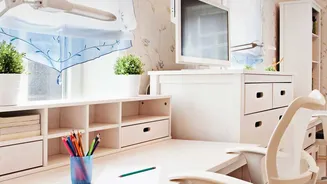
Furniture that is raised on slender legs—often called 'leggy' furniture—is a small bedroom's best friend. By lifting pieces like nightstands, dressers, and chairs off the ground, you allow light to pass underneath them, increasing the sense of spaciousness. This simple trick lets you see more of the floor, which tricks the eye into perceiving a larger area. Wall-mounted or 'floating' shelves and desks take this concept a step further, freeing up floor space entirely and creating an exceptionally airy, uncluttered look.
Utilise Strategic Mirrors
Mirrors are the oldest trick in the book for a reason: they work. Placing a large mirror on the wall directly opposite a window is the most effective way to double the amount of natural light in a room. It reflects both light and the view, creating a profound sense of depth. But don't stop there. Consider placing a full-length mirror leaning against a wall or using furniture with mirrored surfaces, like a nightstand or cabinet. These reflective surfaces will bounce light into darker corners, making the entire room feel more radiant.
Opt for a Light Colour Palette
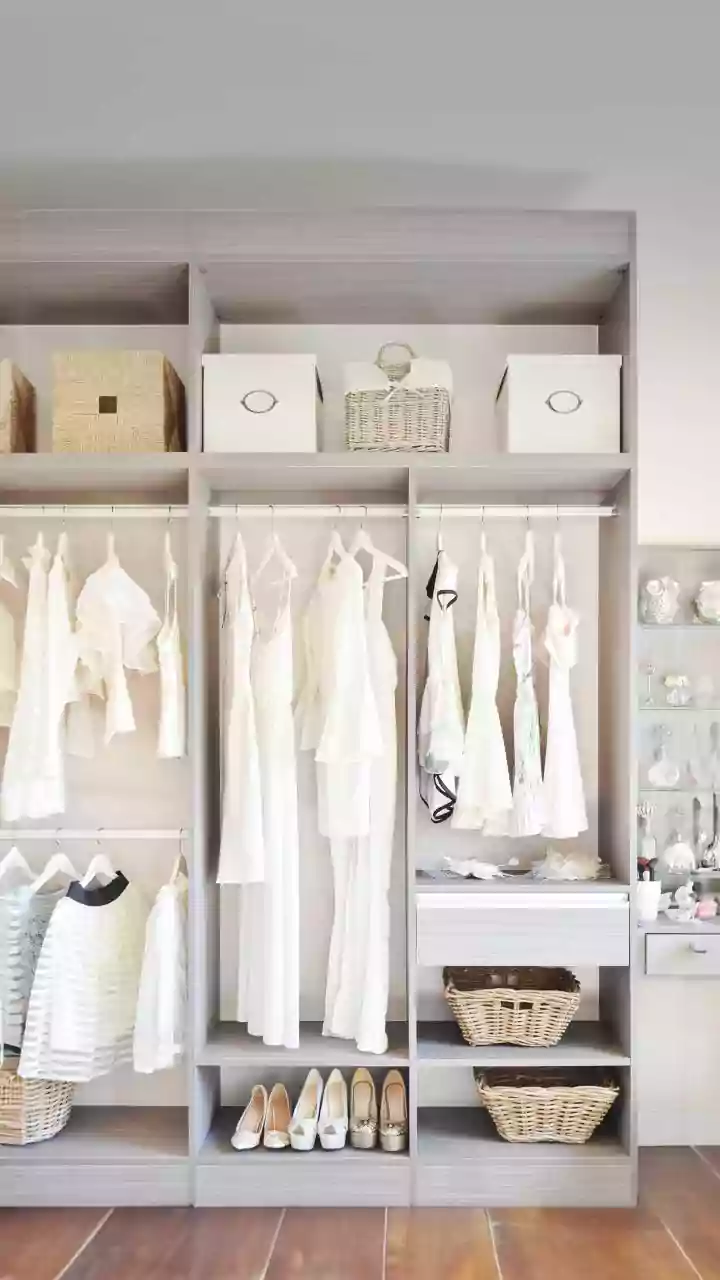
The colours of your furniture and walls play a massive role in how bright a room feels. Dark wood and heavy fabrics can absorb light, making a space feel dim and confined. Instead, choose furniture made from light-coloured woods, or pieces painted in shades of white, cream, or soft grey. These hues are naturally reflective and will amplify any sunlight the room receives. A monochromatic colour scheme, where furniture and walls are in similar light tones, can make the boundaries of the room seem to disappear, enhancing the feeling of space and light.
Rethink Your Storage
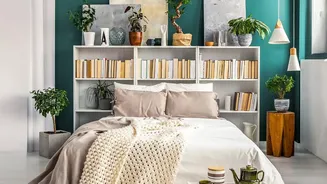
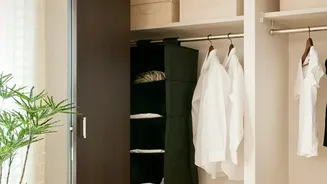
Clutter absorbs light and makes a room feel smaller and more chaotic. To maximise brightness, you need to minimise clutter. This means getting smart about storage. Opt for multi-functional furniture, like a bed with built-in drawers or an ottoman with hidden storage. Utilise vertical space with tall, narrow bookcases or wall-mounted shelving to draw the eye upward and keep the floor clear. By ensuring everything has a place, you create a tidy, serene environment where natural light can take center stage.