


A Policy Shift Opens the Skies
The single biggest catalyst for this transformation was the government's 2020 decision to open the space sector to private enterprise. This landmark reform dismantled the long-standing state monopoly and paved the way for startups to participate in everything
from building rockets to operating satellites. To oversee this new landscape, the Indian National Space Promotion and Authorisation Centre (IN-SPACe) was established. Acting as a single-window agency, IN-SPACe is tasked with authorising, promoting, and supervising private space activities, effectively bridging the gap between ISRO's vast experience and the agility of the private sector. This has fostered an ecosystem where startups can access ISRO's world-class testing facilities and mentorship, drastically reducing the high barriers to entry that once defined the space industry.
The Rocket Builders: Lowering the Cost of Entry
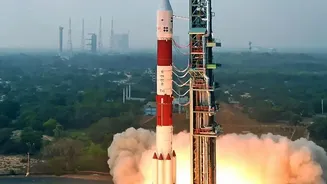
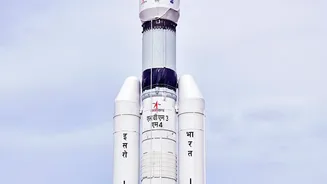
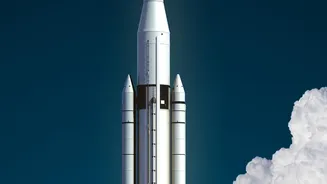
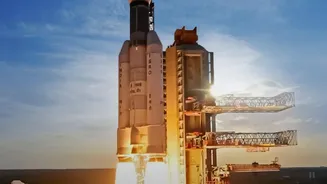
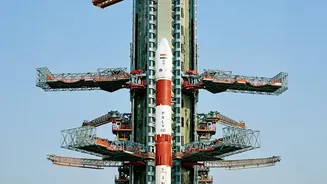
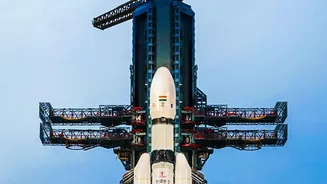
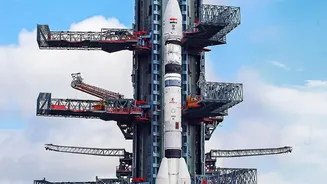
At the forefront of this new wave are companies building the vehicles to take satellites to orbit. Hyderabad-based Skyroot Aerospace and Chennai's Agnikul Cosmos are prime examples. Skyroot achieved a major milestone with the successful orbital launch of its Vikram-1 rocket, making India the third country with a private orbital launch capability. Agnikul has pioneered the world's first single-piece 3D-printed rocket engine, a technology that significantly cuts down manufacturing time and cost. Their common goal is to offer flexible, on-demand, and cost-effective launch services. Instead of forcing small satellite operators to 'rideshare' on large rockets with fixed schedules and destinations, these startups offer dedicated rides, giving global customers more control and flexibility. This focus on the small satellite launch market, a rapidly growing global need, is a key part of their international strategy.
The Eyes in the Sky: Data as a Global Commodity
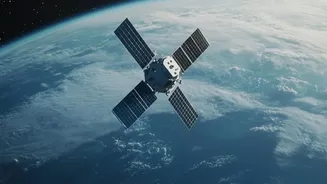
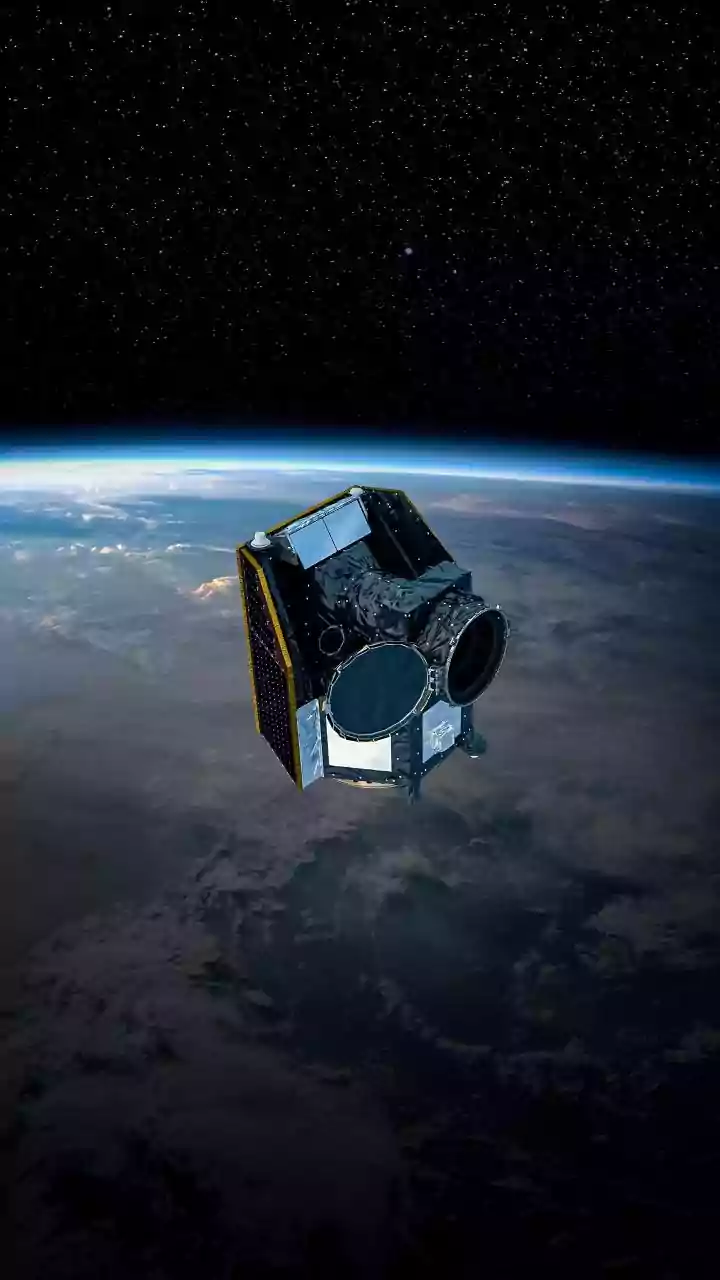
Beyond just launch, Indian startups are creating sophisticated satellite technology for a worldwide client base. Pixxel, for instance, is building a constellation of hyperspectral imaging satellites. Unlike standard cameras, these satellites capture light across hundreds of invisible bands, providing an unprecedented layer of data about the Earth's surface. This technology has powerful applications for global sectors like agriculture (monitoring crop health), energy (detecting pipeline leaks), and environmental management (tracking deforestation and pollution). Pixxel's vision is to create a 'health monitor for the planet,' selling this unique data to international clients in agriculture, mining, and government. This move from hardware to data-as-a-service represents a crucial business model for targeting global markets.
The Full-Stack Solution: From Build to Orbit
Another key strategy is providing end-to-end solutions. Companies like Dhruva Space are positioning themselves as a one-stop shop for space missions. They offer everything from modular satellite platforms and critical subsystems like solar arrays to launch integration and ground station services. This 'full-stack' approach makes space accessible for companies and institutions worldwide that lack the in-house capability to build and manage a satellite mission themselves. Dhruva Space is already securing international clients and partners in France, Australia, the UAE, and Europe, demonstrating a clear global appetite for these integrated services. This model simplifies the complex process of a space mission, turning it into a manageable service for a global customer base.
Why the World Is Taking Notice
Indian space startups are succeeding globally by combining several key advantages. Their engineering is cost-effective without compromising on innovation, as seen with 3D-printed engines and advanced composite materials. They are targeting specific, high-growth niches in the global space economy, such as small satellite launches and hyperspectral data. Furthermore, strong government backing through IN-SPACe and technology transfers from ISRO provides a level of credibility and support that few startup ecosystems enjoy. Investors are paying attention, with hundreds of millions of dollars in funding flowing into the sector, and companies are securing international patents and partnerships that cement their place on the world stage.