
Why We're Moving On From Flat Design
The reign of the perfectly uniform, beige-drenched room is coming to a close. While these spaces offered a sense of calm, they often lacked personality and depth, feeling sterile or one-dimensional. Designers and homeowners alike are now seeking to create
spaces that feel more personal, inviting, and layered. This shift isn't about abandoning neutrals altogether, but enriching them. The goal is to evolve from rooms that just look good to rooms that also feel good, engaging more than just our sense of sight. It's a move toward interiors with soul, where a room's character is felt as much as it is seen.
Understanding Texture: More Than Just Touch
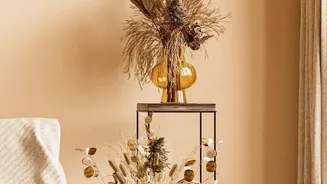
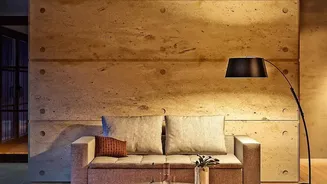
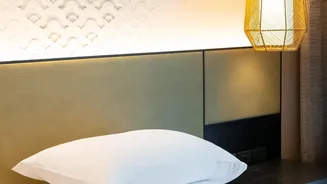
In interior design, texture refers to the surface quality of an object, both visually and physically. It’s not just about how a blanket feels, but how the weave of a curtain catches the light or how a fluted wood panel creates patterns of shadow. Without varied textures, a room can feel bland. By introducing a mix of surfaces—rough with smooth, matte with glossy—you create contrast and visual weight. This layering makes individual elements stand out while contributing to a cohesive whole, adding a quiet richness that colour alone cannot achieve.
Start Soft: Layering with Textiles
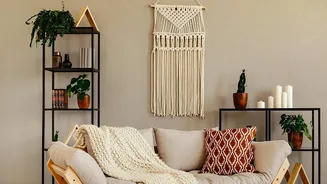
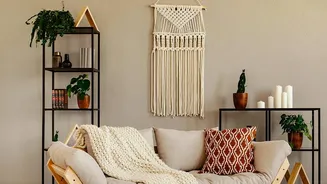
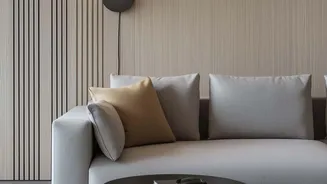
The easiest entry point into the world of texture is through textiles. Think beyond basic cotton and explore a variety of materials. Pair a smooth sofa with a chunky knit throw, or add velvet and linen cushions for a mix of sheens and weaves. Bouclé, with its looped, nubbly surface, remains a popular choice for adding instant comfort and visual interest to chairs and pillows. Don't forget window treatments and floors. Gauzy linen curtains can soften a room, while a high-pile wool or jute rug provides a tactile anchor, making the entire space feel more grounded and inviting.
Embrace Hard Surfaces and Natural Elements
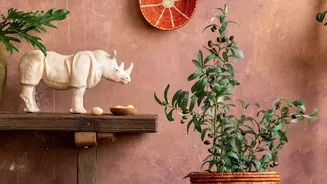
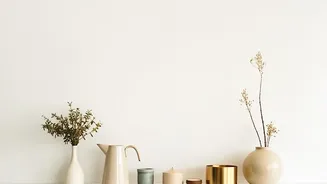
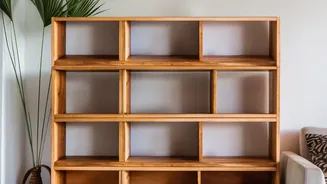
Texture extends far beyond fabrics. Incorporating natural and architectural materials is key to creating a truly layered look. Raw, wire-brushed timber on floors or paneling highlights the natural grain and adds warmth. Materials like rattan, wicker, and cane bring an organic, relaxed feel to furniture and accessories. On walls, consider artisanal finishes like limewash or Venetian plaster, which have subtle irregularities that play with light in a dynamic way. For accents, think about fluted glass, handmade ceramics with raw finishes, and natural stone like travertine or marble, whose veining provides its own unique textural pattern.
Finishing Touches: Sheen, Pattern, and Form
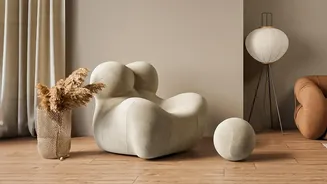
Even within a neutral palette, you can create textural interest through different finishes. A matte wall paired with satin-finish trim creates a subtle but sophisticated contrast. The same applies to metals; swap overly shiny fixtures for matte black, aged bronze, or brushed brass for a more refined edge. Soft, sculptural forms in furniture, like chairs with rounded silhouettes, also contribute to a room's tactile feel by breaking up rigid lines. The interplay of these different surfaces, shapes, and sheens is what ultimately brings a room to life, making it feel complete and thoughtfully curated.