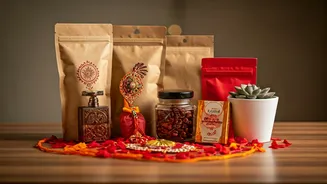









The Beautiful Burden of Tradition
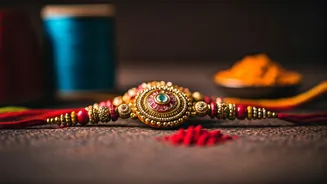
Raksha Bandhan, which falls on August 28th in 2026, is a cornerstone of Indian culture. It's a day steeped in meaning, where a sister ties a sacred thread, or rakhi, on her brother's wrist, symbolizing her love and prayers for his well-being, and he,
in turn, pledges his protection and offers a gift. It’s a beautiful ritual, a vibrant tapestry of family gatherings, sweets, and shared history. Yet, for many, it also comes with a layer of pressure. The search for the perfect gift, the coordination across cities or even continents, and the weight of expectation can sometimes overshadow the sentiment it’s meant to honor. The day becomes an obligation, a box to be ticked on the family calendar.
From Obligation to Appreciation
The problem with confining appreciation to a single, designated day is that it risks feeling performative. A gift given out of duty, no matter how thoughtful, carries a different emotional weight than one given 'just because'. This is where the power of spontaneity comes in. An unexpected gift or gesture says something more profound: “I was thinking of you today, for no reason other than you being you.” This shift from obligation to spontaneous appreciation is where relationships deepen. The sibling bond is one of the longest and most formative relationships of our lives, often outlasting those with parents or even partners. Such an enduring connection deserves more than a single day of recognition.
The Power of a Random Tuesday
Imagine this: it’s a stressful Tuesday, and your brother, remembering you had a tough week, gets your favourite biryani delivered. Or you’re scrolling online, see a book your sister mentioned wanting months ago, and you send it to her. These small, unplanned gestures are the secret language of a strong adult sibling relationship. They inject novelty and excitement into the bond, breaking the monotony of routine. Scientifically, unexpected positive events trigger a larger release of dopamine, the brain's pleasure chemical, than expected ones. This means a surprise gift can genuinely feel more joyful and create a more lasting positive memory. It’s not about the monetary value; it's about the emotional currency of being seen and understood without a special occasion prompting it.
Navigating Modern Siblinghood
In India, the nature of sibling relationships is evolving. With the rise of nuclear families and geographical distance becoming more common, the everyday contact that once defined siblinghood is changing. While the bond remains central, it requires more conscious effort to maintain. In this context, relying solely on festivals to connect feels inadequate. The sibling relationship transforms from childhood rivals and playmates to adult confidantes, secret-keepers, and pillars of support. They are the ones who share our roots, who understand the unspoken dynamics of our family. Celebrating this continuous journey means showing up for each other in small ways throughout the year, reinforcing that you’re a constant presence in each other's lives, not just an annual visitor.
Let Rakhi Be the Grand Finale
This isn't an argument to abandon Raksha Bandhan. On the contrary, it’s an invitation to enrich it. Instead of letting it be the sole outlet for sibling affection, let it become the beautiful culmination of a year filled with small, loving gestures. When August arrives, the exchange of gifts and rakhis will no longer feel like a standalone duty, but a celebration of a bond that has been actively nurtured all year long. The festival can transform from a day of prescribed ritual into a genuine party—a grand finale acknowledging the friendship, support, and love that was present on all the other days, too.