

The Science of Natural Transformation
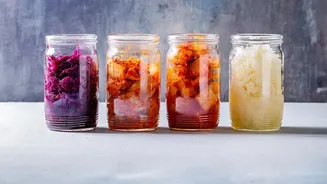
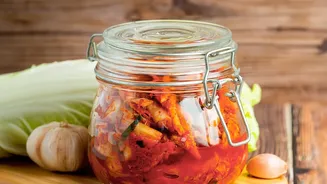
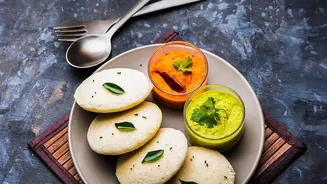
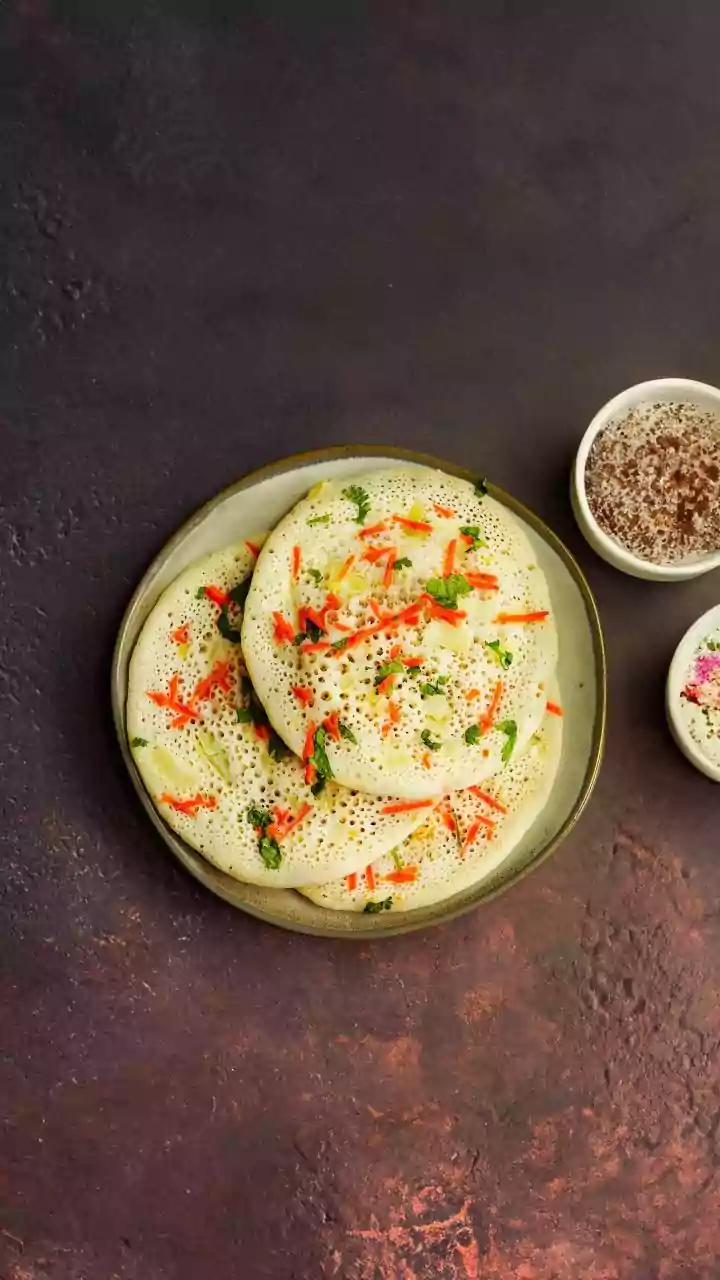
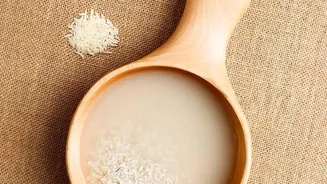
Fermentation is a natural process where microorganisms like bacteria and yeasts transform a food's components. In the context of South Indian breakfasts, a batter of soaked rice and lentils (like urad dal) is left to rest for several hours. During this
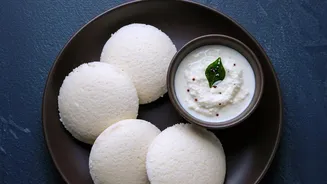
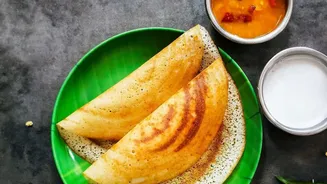
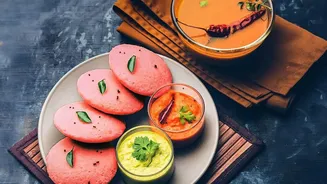
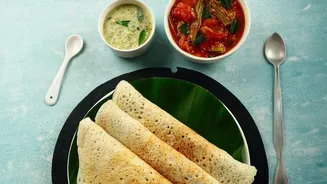
time, naturally present lactic acid bacteria (LAB) get to work. These beneficial microbes, particularly from the Leuconostoc and Lactobacillus families, break down the starches and proteins in the batter. This process not only leavens the batter, making idlis fluffy and dosas crisp, but it also fundamentally changes its nutritional profile, turning a simple meal into a gut-friendly superfood.
A Daily Feast for Your Gut Flora
Our digestive system is home to trillions of microorganisms known as the gut microbiome, which is crucial for everything from digestion to immunity. Fermented foods like idli and dosa act as natural probiotics, introducing these beneficial live microorganisms to your gut. These 'good' bacteria help to balance your internal ecosystem, which can prevent common digestive issues like bloating and indigestion. By regularly consuming these foods, you are actively cultivating a diverse and resilient gut flora, which is a cornerstone of overall health. A healthy gut is linked to a stronger immune system, as nearly 70% of our immune cells reside in the gut.
Unlocking Your Food's Full Potential
One of the most remarkable benefits of fermentation is its ability to improve nutrient absorption. Grains and legumes contain compounds known as 'anti-nutrients,' such as phytic acid, which can bind to minerals like iron, zinc, and calcium, preventing your body from absorbing them effectively. The fermentation process significantly reduces these anti-nutrients. The lactic acid bacteria produce enzymes that break down phytic acid, essentially 'unlocking' these vital minerals and making them more bioavailable. Furthermore, the fermentation process can actually synthesize new nutrients, increasing the levels of B vitamins, including B12, in the final product.
The Pre-Digested Advantage
Because the microorganisms have already started breaking down the complex carbohydrates and proteins in the batter, fermented foods are considered 'pre-digested'. This means your digestive system doesn't have to work as hard to process them. This is why idli is often recommended as a light, nourishing meal for people of all ages, from toddlers to the elderly, and even for those recovering from illness. This pre-digestion makes the nutrients not only easier to absorb but also reduces the chances of feeling heavy or bloated after a meal.
Beyond Idli and Dosa
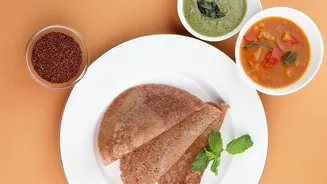
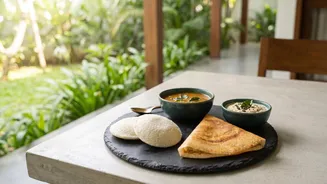
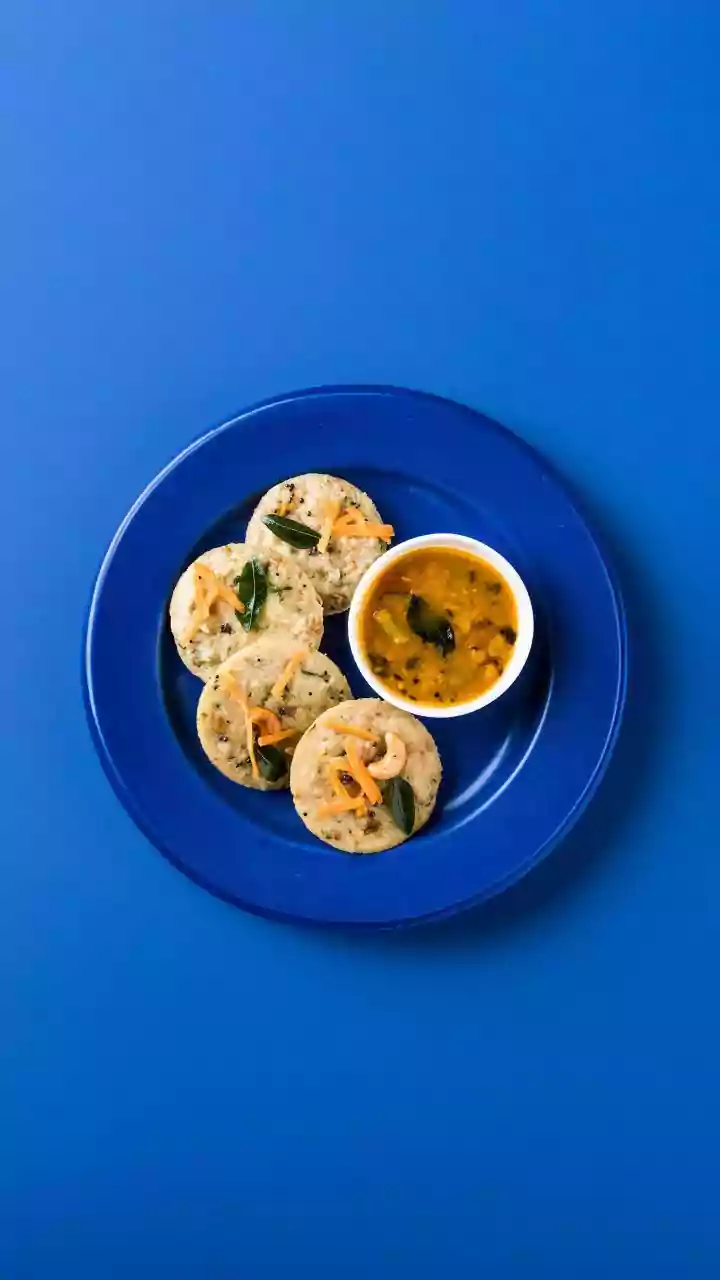
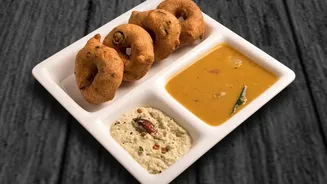
While idli and dosa are the most famous examples, the tradition of fermentation in South India extends to other delicious dishes. Appam, a lacy pancake often made with a fermented batter of rice and coconut, offers similar benefits. Paniyaram, small savoury dumplings made from the same idli-dosa batter, are another way to enjoy these gut-friendly preparations. Even curd rice (dahi) and neer mor (spiced buttermilk), common accompaniments, are fermented dairy products that contribute to a healthy gut microbiome and aid digestion. Embracing this variety ensures a wider range of beneficial bacteria for your gut.