
An Ancient Answer to a Modern Problem
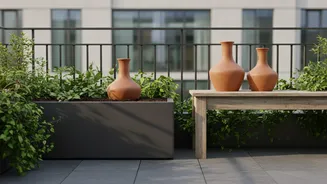
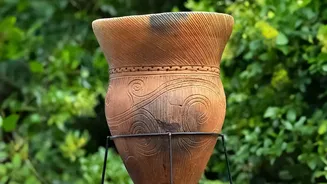
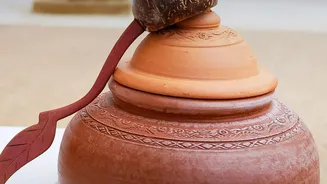
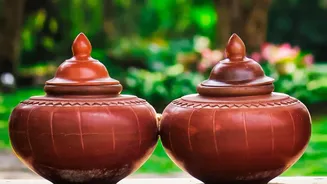
The concept is far from a new trend; it’s a 4,000-year-old irrigation technique used by ancient civilizations in China, North Africa, and the Americas to grow crops in harsh, dry climates. An olla (pronounced “oy-yah,” Spanish for “pot”) is an unglazed,
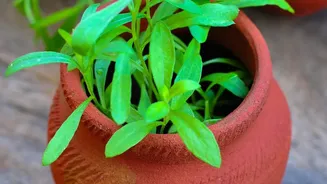
porous terracotta vessel that is buried in the soil. With only its neck exposed, it’s filled with water, which then becomes a subterranean reservoir that plants can draw from as needed. This time-tested technology is experiencing a resurgence among modern gardeners for its sheer efficiency and simplicity, especially for those with limited space.
The Simple Science of Seepage
Ollas work through a natural process called soil moisture tension. The unglazed clay is porous, with thousands of microscopic holes that allow water to slowly seep out. However, the water doesn't just leak out uncontrollably. Instead, the dry soil around the pot actively pulls moisture through the clay walls. As plants absorb water from the soil, the soil dries and pulls more water from the olla. When the soil is moist, such as after a rain, the pressure equalizes and the water stays inside the pot. This creates a perfectly self-regulating system that gives plants exactly the amount of water they need, preventing the common pitfalls of over- and under-watering.
Why Ollas Excel on Balconies
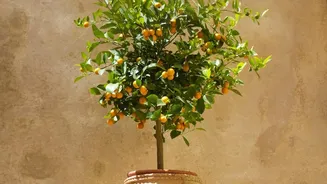
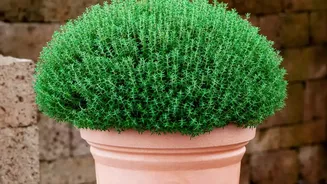
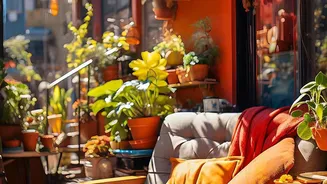
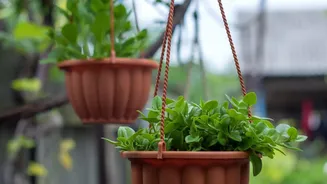
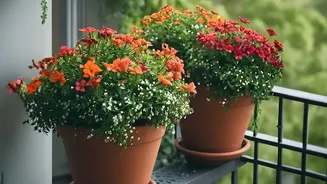
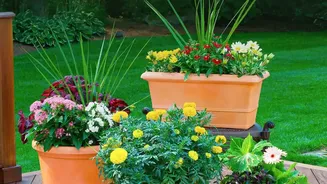
Container gardens, especially on balconies and rooftops, are notoriously difficult to keep hydrated. They have a smaller soil volume and are exposed to more wind and radiant heat from masonry, causing them to dry out much faster than in-ground beds. Ollas are a game-changer in this environment. By delivering water directly to the root zone, they can reduce water use by up to 70% by virtually eliminating waste from surface evaporation and runoff. This sub-surface watering also keeps the top layer of soil dry, which discourages weed growth and can help deter pests like slugs. It also helps prevent the spread of fungal diseases that thrive on wet foliage.
The Humid-Yet-Dry Weather Solution
Humid but dry weather presents a unique challenge. The moisture in the air can be deceiving, leading gardeners to believe their plants are fine. Meanwhile, the soil in a sun-baked or wind-battered pot can be bone dry just below the surface. Surface watering in these conditions is inefficient, as much of it evaporates quickly. An olla bypasses this problem entirely. Because it releases water based on soil dryness, not air humidity, it ensures the plant's roots get a consistent supply of moisture where it matters most. This steady hydration prevents plant stress and can even improve the quality of your harvest, reducing issues like blossom end rot in tomatoes which is often caused by inconsistent watering.
Getting Started with Olla Irrigation
Using an olla in a balcony container is straightforward. Choose a pot size appropriate for your container; smaller ollas work for 12-16 inch pots, while larger ones are needed for half-barrels. When potting your plant, bury the olla in the center, leaving only the neck showing above the soil line. Gently pack soil around it to ensure there are no air pockets, which would prevent water from dispersing correctly. Fill the olla with water and cover the opening with a stone or a small saucer to prevent evaporation and keep mosquitoes out. Check the water level every few days—you may need to refill anywhere from twice a week to once a day depending on the weather and the thirst of your plants.