


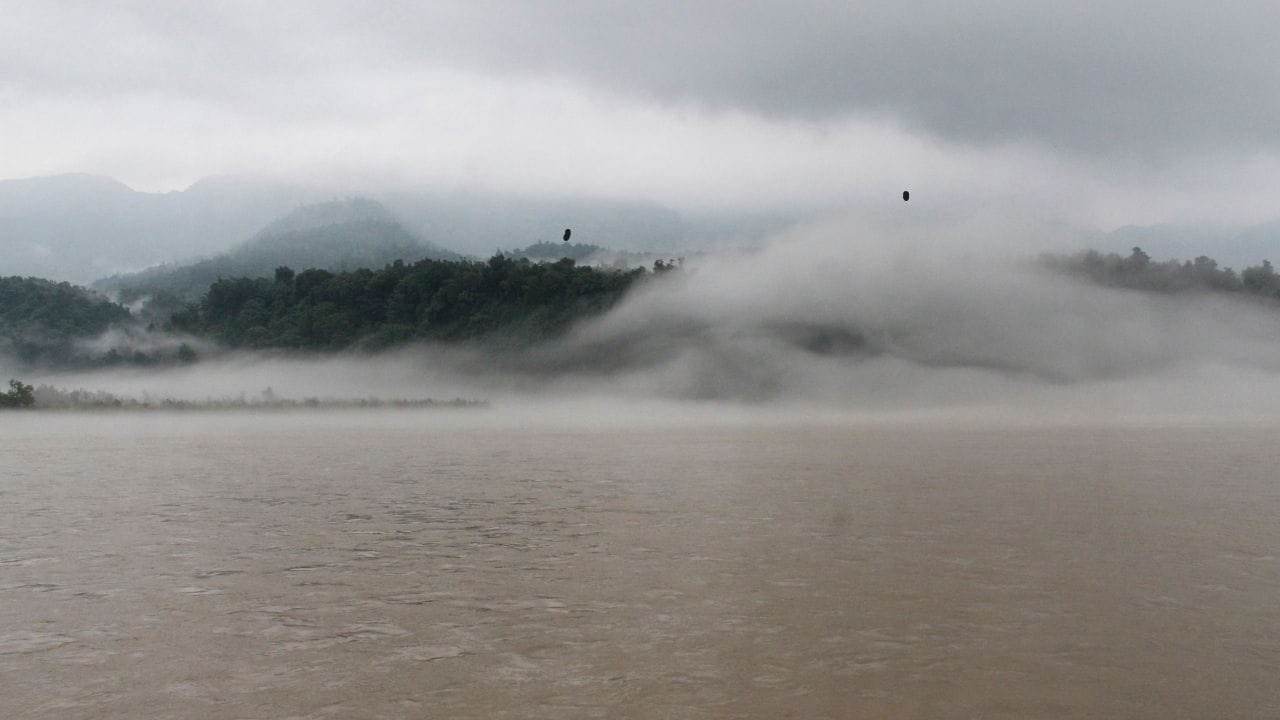


Understanding the Monsoon's Retreat
The southwest monsoon doesn't just switch off; it withdraws region by region. The process typically begins in mid-September from the northwestern parts of the country, like Rajasthan and Punjab. By October, it has usually left areas north of latitude
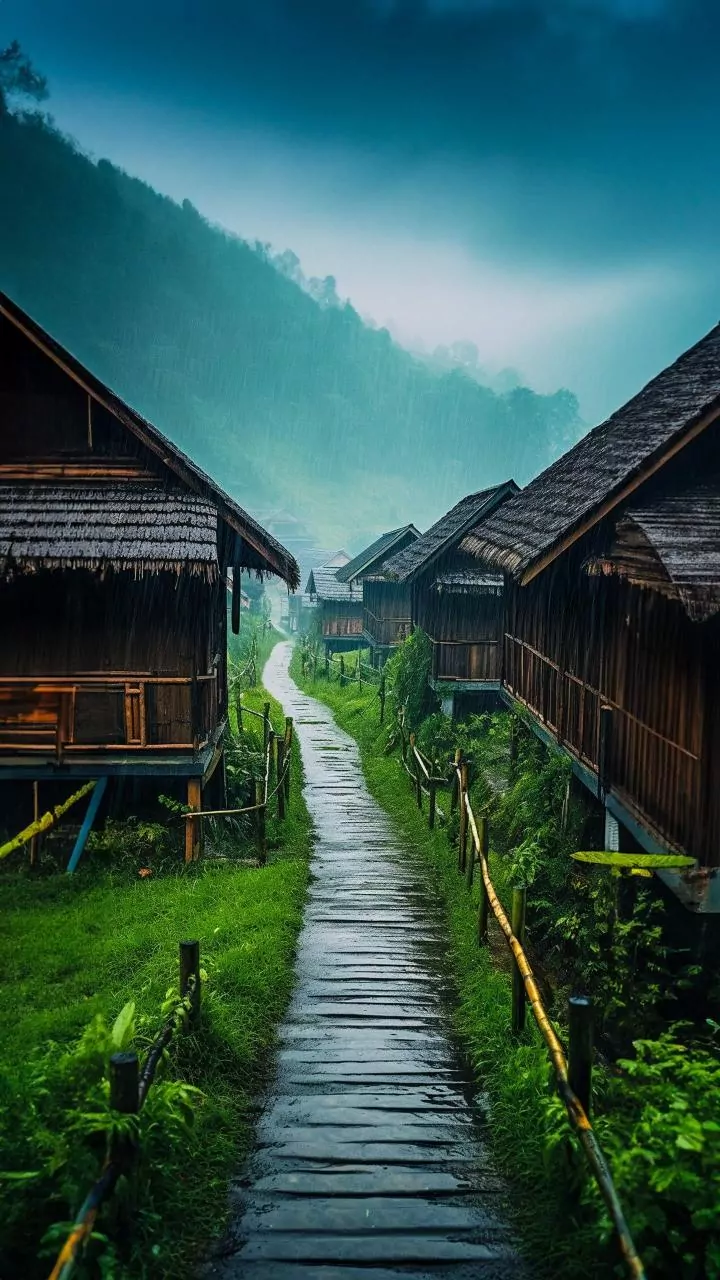
15°N. However, for the southern peninsula, especially the southeastern coast, September and October can still be very wet as the retreating monsoon picks up moisture over the Bay of Bengal. This staggered withdrawal creates a patchwork of climates across India. While northern states might see clearing skies, southern states like Kerala and Tamil Nadu could still be receiving significant rainfall. This makes checking local forecasts not just a suggestion, but a necessity for any travel plans.
Where to Go: North vs. South
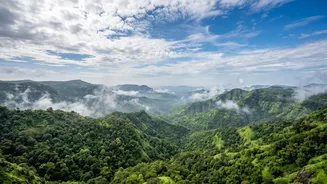
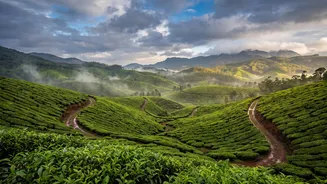
For those seeking mountain views and lush landscapes, parts of North India become accessible and beautiful in September. Hill stations like Shimla and Dharamshala in Himachal Pradesh, which see heavy rains earlier in the monsoon, begin to dry out. The post-rain greenery is spectacular, and the air is crisp and clean. However, the risk of landslides can persist, so it's crucial to check road conditions before heading out. In contrast, South India offers a different experience. Destinations like Munnar, Coorg, and Wayanad are at their most vibrant, with waterfalls in full flow and tea and coffee plantations looking lush. While rain is still likely, it often comes in intermittent showers rather than constant deluges, making it a great time to visit for those who don't mind a little wet weather.
Your Essential Post-Monsoon Packing List
Packing for September requires a strategy that balances rain protection with comfort in high humidity. Forget heavy jackets; a lightweight, waterproof raincoat or poncho is essential. The most important clothing choices are fabrics that dry quickly. Synthetic blends are far better than cotton, which absorbs moisture and can take days to dry in the damp air. A pair of waterproof sandals or floaters with good grip is more practical than bulky shoes that will get soaked. Also, pack a waterproof cover for your backpack and use zip-lock or dry bags to protect electronics like your phone and camera. Finally, with the dampness comes an increase in mosquitoes, so a reliable insect repellent is a must-have.
Travel and Safety in Unpredictable Weather
Flexibility is the golden rule of September travel in India. Heavy rains can cause sudden travel disruptions, from flight delays to road closures. It’s wise to build buffer days into your itinerary, especially if you have a flight to catch. Avoid driving at night during heavy rain and be extra cautious on slippery roads. When exploring, respect nature by staying away from overflowing rivers and adhering to local advisories, particularly in hilly areas prone to landslides or near waterfalls with strong currents. Always have a backup plan. If the weather ruins your outdoor sightseeing, you can always enjoy the cozy atmosphere of a local café or your hotel. Keeping an eye on reliable weather apps like the IMD's official one can help you make informed decisions on the go.
The Upside: Fewer Crowds and Better Deals
While the weather can be a challenge, travelling in September has significant advantages. As it's considered the tail-end of the low season, popular tourist destinations are far less crowded than they are from October onwards. This means you can experience iconic sites with a sense of peace that is impossible during peak tourist season. This shoulder month also often brings lower prices for hotels and flights, allowing for a more budget-friendly trip. For many experienced travellers, the combination of lush, clean landscapes, fewer people, and lower costs makes September one of the most rewarding times to explore India, provided you come prepared.