





The Golden Rule: Wet and Dry Zones
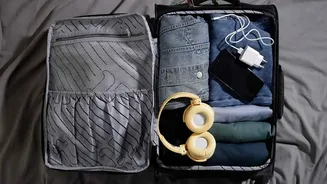
The fundamental principle of monsoon packing is separation. Assume something will get wet, and plan accordingly. Your goal is to create distinct 'wet' and 'dry' zones within your backpack or suitcase. The 'dry' zone is for clean clothes, electronics,
and documents. The 'wet' zone is for a damp umbrella, a used raincoat, muddy shoes, or soaked clothing. The easiest way to achieve this is with waterproof bags. Invest in a few dry bags, which are specifically designed to keep water out. For a budget-friendly alternative, heavy-duty zip-lock bags or even clean garbage bags can work wonders. Use them to isolate anything that has been exposed to rain, preventing moisture from spreading to your dry items.
Fabric Is Everything: Choosing Your Clothes
Your choice of clothing fabric can make or break a monsoon trip. The number one rule is to avoid cotton and denim. These materials are highly absorbent and can take hours, or even days, to dry in the high humidity of the rainy season, leaving you with a bag full of heavy, damp, and musty-smelling clothes. Instead, opt for lightweight, synthetic fabrics like polyester, nylon, and rayon. These materials are 'quick-dry,' meaning they don’t hold much water and will air-dry rapidly, even in a humid hotel room. Packing quick-dry t-shirts, trousers, and underwear allows you to wash items on the go and have them ready by the next morning. For cooler evenings in hill stations, a thin fleece layer is a much better option than a bulky wool sweater.
Your Footwear: The Most Critical Choice
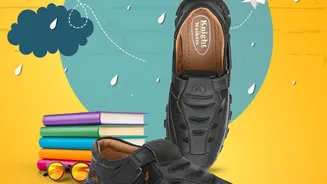
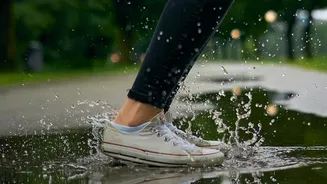
Footwear is arguably the most important item on your monsoon packing list. The wrong shoes can lead to discomfort, slips, and soggy feet that never seem to dry. Avoid leather, suede, and canvas sneakers at all costs, as they absorb water, get ruined easily, and can take forever to dry. The best options are waterproof or water-resistant with a good grip to handle slippery surfaces. Rubber sandals, floaters, or waterproof trekking sandals are excellent for walking around towns and dealing with puddles, as they dry quickly and are easy to clean. For more adventurous trips involving hiking, invest in a pair of proper waterproof hiking shoes with good traction. Always pack an extra pair of footwear, and carry a few extra pairs of quick-dry socks. Having a dry pair of socks to change into can feel like a lifesaver after a long, wet day.
Essential Rainy Day Accessories
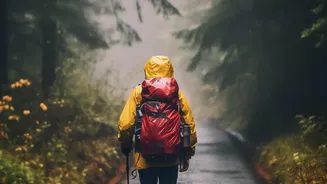
Beyond clothes and shoes, a few key accessories will significantly improve your monsoon travel experience. While an umbrella is useful for light showers, a lightweight, packable raincoat or poncho with a hood offers far better protection in heavy downpours, especially when it's windy. A quick-dry microfibre towel is another essential; it's more absorbent and dries much faster than standard cotton towels. The monsoon season also sees an increase in mosquitoes and other insects, so a reliable insect repellent is a must-pack item. Finally, consider bringing a waterproof cover for your backpack. Even if the bag itself is water-resistant, a dedicated rain cover provides an extra layer of security, ensuring the contents stay completely dry during a sudden storm.
Protecting Your Valuables
Water can be disastrous for electronics and important documents. Never assume your backpack's pockets are sufficiently waterproof. Always store your phone, camera, power bank, passport, and any other valuables in their own dedicated waterproof pouches or zip-lock bags. This practice of 'double-bagging' ensures that even if your main bag gets damp, your most important items remain safe and dry. It's a simple step that can save you from a major headache. For extra protection against humidity, you can even throw a few silica gel packets into your electronics bag to absorb any ambient moisture.