

A Paradise Under Pressure
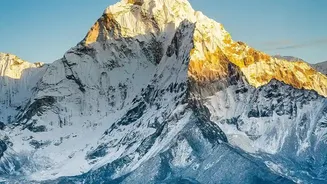
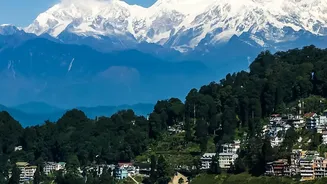
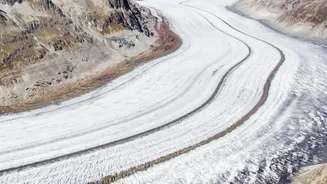
The Himalayas, often called the 'Third Pole' for their vast ice reserves, are warming at an alarming rate. This has profound consequences for Nepal, a nation ranked among the most vulnerable to climate change. One of the most visible impacts is the rapid
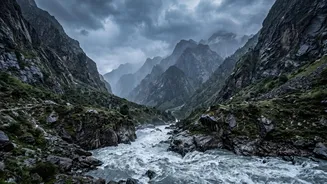
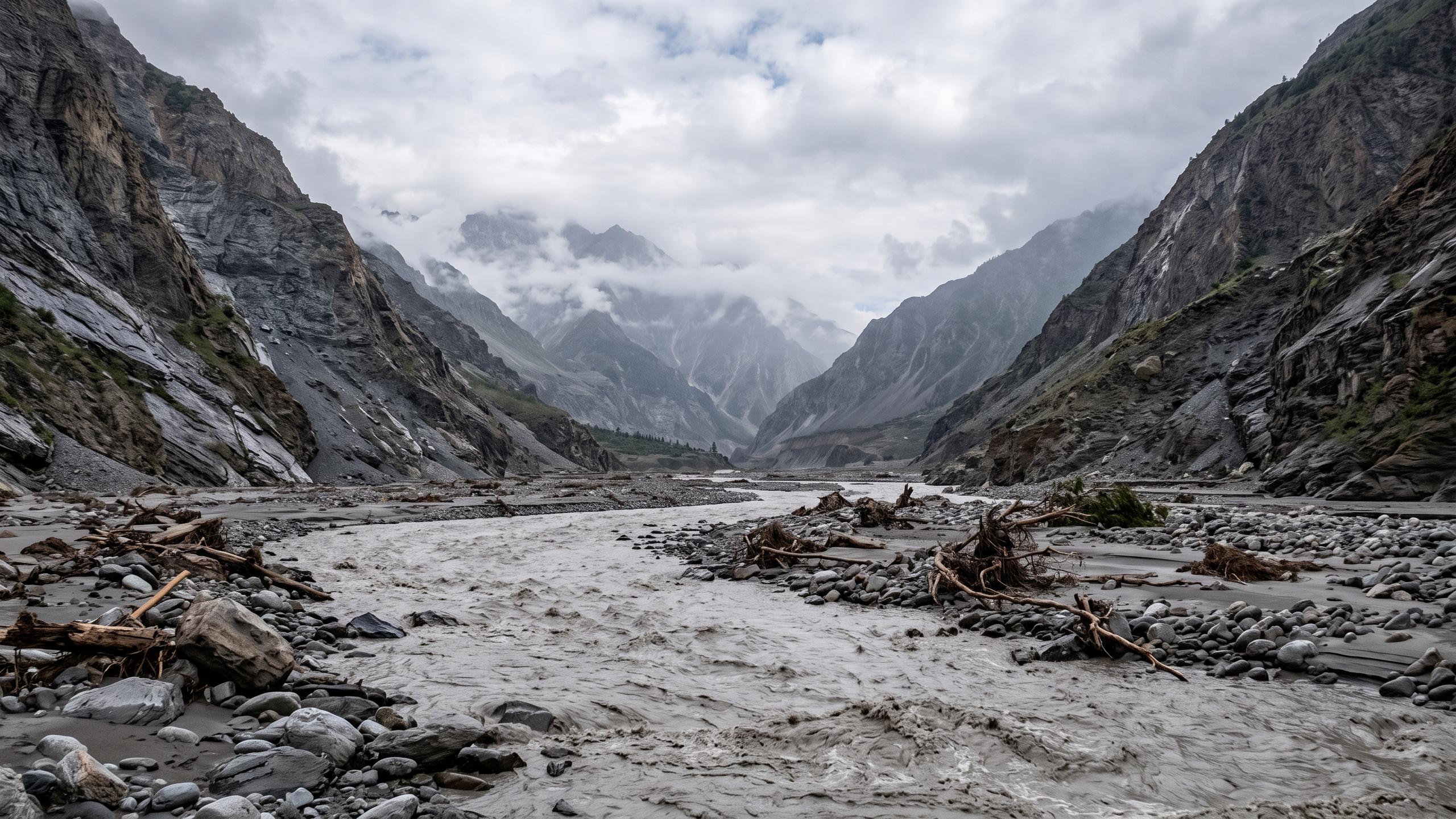
melting of its thousands of glaciers. This meltwater feeds a growing number of glacial lakes, many of which are held back only by unstable walls of rock and debris left by retreating glaciers. These natural dams can fail without warning, leading to catastrophic events known as Glacial Lake Outburst Floods (GLOFs). A devastating flash flood on August 26, 2026, which swept through the Rasuwa district, was linked to a glacial collapse, highlighting the very real and present danger these events pose.
The Climate and Monsoon Connection
Climate change isn't just about melting ice; it's also making weather patterns more erratic and extreme. For Nepal, this means harsher monsoon seasons from June to September, with intense rainfall causing widespread flooding and landslides. These events regularly wash away roads, bridges, and trekking trails, isolating communities and making travel exceptionally hazardous. The August 2026 flood, for example, caused massive infrastructure damage and severed key routes, including a major gateway for pilgrims and trekkers. Experts warn that such extreme weather events are becoming the 'new normal' in the Himalayas, increasing the risks for locals and travelers alike.
Lesson 1: Do Your Homework Before You Go
The first step to a safe trip is thorough preparation. Before booking, research your destination's specific risks, especially during the monsoon season. Check official travel advisories, which now often include warnings about natural disasters. Several governments advised reconsidering travel to flood-affected districts in Nepal following the recent disaster. Look into your trekking operator's reputation and safety protocols. Reputable agencies will require proof of comprehensive travel insurance that covers medical and, crucially, non-medical evacuation from remote areas in case of natural disasters. Also, build flexibility into your schedule; allow for extra days in case of travel disruptions due to weather or landslides.
Lesson 2: On-the-Ground Awareness Is Key
Once in Nepal, stay informed and adaptable. Always check local weather forecasts and trail conditions before starting a day's trek. Conditions can change rapidly. Hiring a licensed local guide is highly recommended, as they possess invaluable knowledge of the terrain and can help navigate potential hazards. During the monsoon, avoid trekking near steep slopes or alongside major rivers during heavy rain. Never attempt to cross swollen rivers or use unverified shortcuts. Always have a way to communicate, carry a well-stocked first-aid kit, and ensure your electronics are charged and protected in waterproof bags.
Lesson 3: Embrace Responsible Tourism
Your travel choices can either contribute to the problem or be part of the solution. Sustainable tourism aims to protect the environment and support local communities. Opt for tour operators and lodges that employ eco-friendly practices, such as waste management and water conservation. Support the local economy directly by staying in community-run homestays or teahouses and purchasing local goods. This not only provides you with a more authentic experience but also ensures that tourism revenue benefits the people whose lives are most impacted by environmental shifts. By being a conscious traveler, you help preserve the very culture and landscapes you came to see.