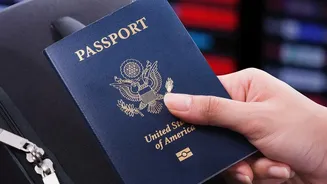






For years, a passport's power was measured by one simple metric: the number of countries you could visit without a visa. But a new wave of indices is challenging that, arguing a passport's true value lies in much more than just travel.
More Than Just Mobility
For decades, passport
power has been a straightforward contest. Rankings like the Henley Passport Index tallied up the number of destinations a citizen could access without a prior visa, and the country with the highest score won. By that measure, countries like Singapore, Japan, and many European nations have consistently dominated, offering their citizens incredible global mobility. But what if visa-free travel is only part of the story? A new school of thought argues that this narrow focus overlooks crucial aspects of citizenship. What good is a passport that lets you travel the world if its government taxes you no matter where you live? Or if it restricts you from holding a second citizenship as a backup plan? This is the question that alternative rankings, such as the Nomad Passport Index, are designed to answer.
The New Pillars of Passport Power
These new indices provide a more holistic view by incorporating factors that affect a citizen's wealth and freedom. They typically analyse five key areas: visa-free travel, but also taxation policies, the ability to hold dual citizenship, the country's global perception, and the level of personal freedom its citizens enjoy. Taxation is a major component, distinguishing between countries that tax their citizens on worldwide income (like the United States) and those that only tax income earned within their borders or have zero income tax. The right to hold dual citizenship is another critical factor, as it provides greater flexibility and a valuable Plan B. Finally, personal freedom—which can include things like mandatory military service, government surveillance, and press freedom—and global perception are assessed to paint a complete picture of what a passport gives, and what it costs, its holder.
Why Finland and Others Rank High
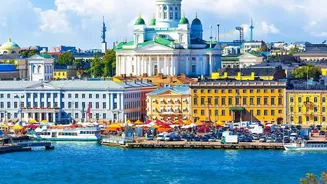
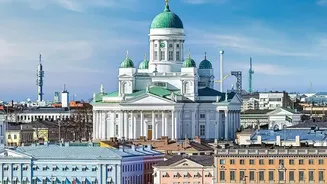
Under this more comprehensive lens, the top of the leaderboard looks different. While the headline suggests Finland leads, the latest rankings from 2026 actually show a tight race between several European nations. According to the Nomad Passport Index, countries like Malta, Ireland, Greece, and Romania are now considered top-tier. However, the spirit of the headline holds true for countries like Finland. Finnish citizens enjoy fantastic travel freedom, with visa-free access to over 190 countries. More importantly, a Finnish passport comes with the immense benefit of full EU citizenship, granting the right to live, work, and study across the bloc. Finland also boasts a strong global reputation, high personal freedom, and allows its citizens to hold multiple nationalities, all factors that boost its standing in these modern, multi-faceted rankings.
A Shifting View of Global Citizenship
The rise of these new indices reflects a fundamental shift in how people view citizenship. In an era of remote work and increasing global mobility, a passport is no longer just a travel document; it is a financial and lifestyle tool. Countries that deliberately design policies to attract global talent—through favourable tax regimes, residency-by-investment programmes, and liberal citizenship laws—are gaining an edge. This explains why smaller, agile countries like Malta and the UAE are climbing the ranks. They have recognised that a passport's value is also measured by the freedom and opportunity it provides its holder, not just the stamps it can collect. For global citizens, including many from India who are exploring international opportunities, these new rankings offer a more practical guide to which citizenships offer the best overall quality of life and financial freedom.