


The Old 150-Minute Rule
For years, the gold standard for physical activity has been clear: 150 minutes of moderate-intensity exercise or 75 minutes of vigorous exercise per week. This recommendation from health bodies like the World Health Organization has been the benchmark
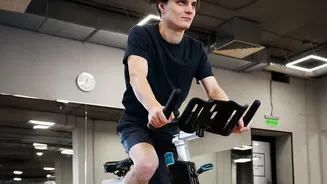
for doctors and public health campaigns. The goal is to get your heart rate up for a sustained period, through activities like brisk walking, cycling, or swimming. While effective, for many people juggling work, family, and long commutes in India, finding two and a half hours for dedicated exercise every week can seem like an insurmountable challenge. This often leads to an all-or-nothing mindset, where if the full 150 minutes isn't achievable, people do nothing at all.
The New Science of 'Exercise Snacks'
A growing body of research is challenging the 'all-or-nothing' approach. Scientists are now focused on a concept called “exercise snacking”—short, intense bursts of activity spread throughout the day. The idea is that these mini-workouts, even if they only last for a few minutes, can offer significant physiological benefits, especially for your heart. Rather than needing a continuous 30-minute session, you could achieve similar, and in some cases better, results by accumulating activity in smaller chunks. A recent analysis published in the British Journal of Sports Medicine found that these brief workouts can improve cardiorespiratory fitness, which is a key indicator of heart health. This shifts the focus from the duration of a single session to the total quality and intensity of movement throughout the day.
Intensity Is the Key Ingredient
The secret to making short workouts effective is intensity. The activity needs to be vigorous enough to make you breathless, where you can speak only in short sentences, not hold a full conversation. Studies show that even 15-20 minutes of vigorous activity spread across a whole week can lead to a significant reduction in the risk of heart disease and early death. One study from the European Heart Journal found that just 19 minutes of vigorous exercise per week was linked to a 40% lower risk of developing heart disease. This type of exercise, often called High-Intensity Interval Training (HIIT), involves alternating short bursts of all-out effort with brief recovery periods. The key is pushing your heart and lungs, which triggers adaptations that improve their efficiency.
Real-World Heart Benefits
These short, sharp workouts are not just a gimmick; they translate to tangible health improvements. Research has shown that accumulating exercise in short bouts can be as effective as longer sessions for reducing the risk of coronary heart disease. Studies on “exercise snacks” have demonstrated improvements in key cardiovascular markers, including lowered blood pressure, reduced total cholesterol, and better overall cardiorespiratory function. One prospective study found that people in the highest bracket for short bursts of activity were 31% less likely to develop hypertension over a five-year period. The message from science is becoming clearer: every minute of intense movement counts towards a healthier heart.
How to Fit 'Snacks' Into Your Day
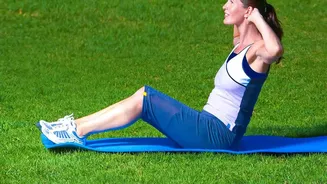
The beauty of exercise snacking is that it doesn't require a gym membership or fancy equipment. You can integrate it into your daily routine. Consider taking the stairs instead of the lift, and try to climb them quickly enough to get your heart pumping. While waiting for your chai to brew, do a minute of jumping jacks or high knees. If you work at a desk, set a timer to get up and do 60 seconds of squats or lunges every hour. A brisk, five-minute walk to the bus stop or during your lunch break also counts. The goal is to break up long periods of sitting with short bursts of effort that elevate your heart rate.
Know the Limitations
While short workouts are incredibly beneficial for heart health, they are not a cure-all. Research shows they are most effective at improving cardiorespiratory fitness and reducing cardiovascular risk factors like high blood pressure. However, some studies note they may not lead to significant changes in weight or cholesterol levels on their own, especially in shorter trials. Furthermore, while getting the minimum effective dose is a great start, recent studies also confirm that more activity leads to greater benefits. One 2026 analysis noted that while 150 minutes a week provides a modest risk reduction, optimal protection may require significantly more activity. The key is to see short workouts as a powerful and accessible starting point, not necessarily the final destination for all fitness goals.