




The Art of Dodging Traffic
The single biggest advantage of a two-wheeler in a metropolitan maze is its ability to navigate congestion. While cars remain immobilised in seemingly endless traffic jams, motorcycles and scooters weave through the gaps, turning frustrating hours into
productive minutes. Their slim profile allows riders to filter through stagnant lines of traffic, a move that is essential for survival on roads in cities like Mumbai, Bengaluru, and Delhi. This agility isn't just a convenience; it's a significant time-saver, allowing commuters to reclaim a substantial part of their day that would otherwise be lost to gridlock. In cities where the average commute time is steadily increasing, the nimbleness of a two-wheeler offers a level of freedom that four-wheelers simply cannot match.
Winning the Parking Battle
Finding a parking spot for a car in a busy Indian commercial district can feel like an impossible task. Public spaces are often contested, and designated parking lots are expensive and few. This is where two-wheelers present another layer of unmatched flexibility. Their small footprint means they can be parked in tight spots, narrow alleyways, or designated two-wheeler zones that cars could never access. This advantage eliminates a major source of stress and time consumption for urban residents. Whether it's a quick stop for an errand or parking for a full day at the office, the ease of finding a spot for a scooter or bike makes daily travel significantly more efficient and less frustrating.
Economic Sense and Accessibility
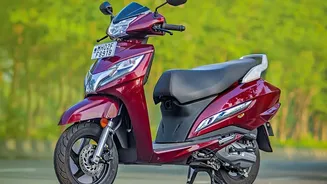
For a vast segment of the Indian population, the economics of transportation are a primary concern. Motorcycles and scooters are not just cheaper to buy than cars; their total cost of ownership is significantly lower. They offer superior fuel efficiency, with running costs per kilometre that are a fraction of that of a car. Maintenance is also simpler and more affordable. This economic accessibility empowers students, young professionals, and families, providing them with reliable personal transport that doesn't strain their budgets. With nearly half of all Indian households owning a two-wheeler, it's clear they are the most democratic mode of motorised transport in the country.
The Backbone of the Gig Economy
The explosive growth of India's gig economy—from food delivery and e-commerce to bike taxis—is built on the back of the two-wheeler. Companies like Zomato, Swiggy, and their counterparts rely on vast fleets of motorcycles and scooters to provide the last-mile connectivity that their business models depend on. These vehicles enable delivery partners to navigate dense urban layouts quickly, ensuring orders are fulfilled on time. The rise of bike taxis, facilitated by aggregator platforms, has also created flexible employment opportunities for thousands of gig workers. This synergy has not only transformed urban logistics but also provided a vital source of income for a large and growing workforce.
Bridging the Last-Mile Gap
While cities are expanding their metro and bus networks, public transport often falls short of providing true door-to-door connectivity. Many commuters face the 'last-mile problem'—the challenge of getting from a transport hub like a metro station or bus stop to their final destination. Two-wheelers perfectly fill this gap. They serve as ideal feeder vehicles, allowing people to quickly travel the final few kilometres to their homes or workplaces. This integration makes public transport a more viable option for more people, reducing reliance on cars for the entire journey and contributing to a more efficient, multi-modal transport system.