




Why Start a Herb Garden?
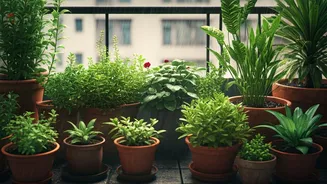
Beyond the simple aesthetic pleasure of having a green corner, a balcony herb garden is a powerhouse of benefits. Imagine snipping fresh pudina for your evening chai or grabbing a handful of dhania to garnish your dal, all without a trip to the market.
The flavours are more intense, the aroma is richer, and you know exactly what’s gone into growing them—no pesticides, just sun, water, and care. It’s a small step towards sustainable living that connects you to your food. Furthermore, the simple act of nurturing plants can be a meditative escape from the daily grind, reducing stress and improving your overall sense of well-being. It’s a hobby that nourishes both body and soul.
Your Essential Starter Kit
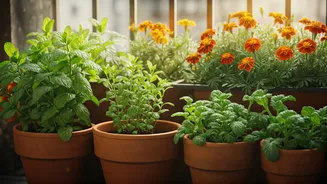
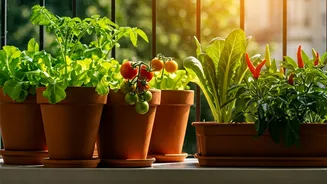
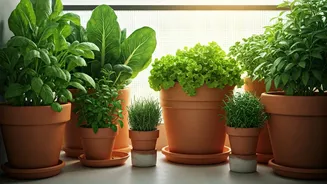
Starting a herb garden doesn't require a hefty investment or a trip to a specialty store. You can begin with a few basic items. First, you'll need containers. Terracotta pots are excellent as they are porous and allow the soil to breathe, but recycled plastic containers with drainage holes work just as well. Next is the potting mix. Avoid using simple garden soil, which can be too dense. Instead, opt for a light, well-draining potting mix, often a combination of soil, cocopeat, and compost, which is readily available at local nurseries. Finally, you need your plants. You can start from seeds, but for beginners, it’s often easier to buy small saplings (baby plants) from a nursery to get a head start. A small watering can or even a repurposed plastic bottle with holes in the cap will do for watering.
Five Fail-Proof Herbs for Indian Balconies
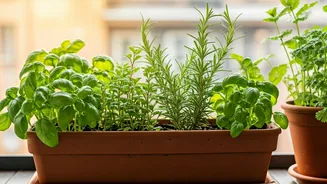
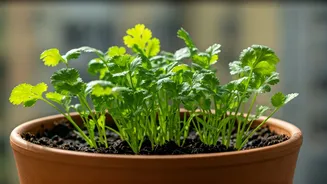
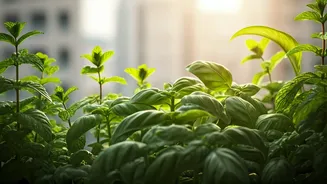
Not all herbs are created equal, especially when it comes to thriving in an Indian urban climate. Here are five easy-to-grow options that are perfect for beginners: 1. **Tulsi (Holy Basil):** A staple in most Indian households, Tulsi is revered for its medicinal properties and is incredibly resilient. It loves sunlight, so place it in a spot that gets at least 4-6 hours of direct sun. Water it regularly, but don't let the soil get waterlogged. 2. **Pudina (Mint):** This herb grows vigorously and is perfect for everything from chutneys to mocktails. Mint prefers partial shade and consistently moist soil. It grows so fast that it’s best to keep it in its own pot to prevent it from taking over other plants. 3. **Dhania (Coriander):** No Indian kitchen is complete without it. Coriander can be grown from the seeds you find in your own spice box! It prefers cooler weather and morning sun. Keep the soil moist and you can harvest the leaves in just a few weeks. 4. **Kadi Patta (Curry Leaves):** Essential for tadkas, the curry leaf plant is a small tree that does surprisingly well in a large pot. It needs plenty of sunlight and well-drained soil. It’s a slow grower initially, but once established, it will provide you with fragrant leaves for years. 5. **Lemongrass:** Perfect for flavouring teas and Asian dishes, lemongrass is a tropical plant that loves sun and water. It grows in dense clumps and its grassy leaves can be harvested regularly. A large, deep pot is ideal to accommodate its root system.
Basic Care and Harvesting Tips
Caring for your herb garden is simple. The golden rule is to check the soil before watering. Stick your finger about an inch into the soil; if it feels dry, it's time to water. Most herbs need at least four to five hours of sunlight per day, so observe your balcony to find the sunniest spots. To encourage bushier growth, pinch or snip the leaves regularly from the top. This is your harvest! Regular harvesting not only gives you fresh herbs for your kitchen but also tells the plant to produce more leaves. For herbs like coriander and mint, never harvest more than one-third of the plant at a time to ensure it continues to thrive. A monthly dose of a mild organic fertilizer like compost or vermicompost will keep your plants healthy and productive.