





A Shift in the Waters
For years, the quintessential Kerala backwater experience was synonymous with the 'Kettuvallam,' or traditional houseboat. Gliding through the emerald waterways on a floating hotel was a bucket-list item for tourists from around the globe. While the charm
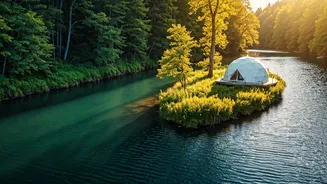
of the houseboat endures, a new preference is emerging, driven by a post-pandemic shift in traveller priorities. A growing number of visitors, particularly domestic tourists, are now seeking stillness, privacy, and a deeper connection to the environment. This has led to a significant surge in demand for smaller, land-based accommodations, specifically eco-cabins tucked away along the banks of lakes and canals.
Defining the 'Eco-Cabin' Experience
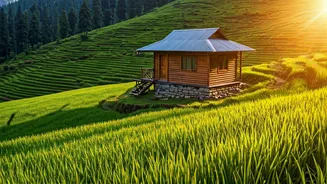
So, what exactly is drawing travellers to these cabins? The term 'eco-cabin' is more than just a marketing buzzword here. It signifies a philosophy. These are typically small-scale properties, often with just a handful of units, designed to blend seamlessly with the natural surroundings. Construction frequently uses local and sustainable materials like bamboo, reclaimed wood, and terracotta. The experience is intentionally low-impact and high-immersion. Instead of a television, your entertainment is the panoramic view of the water from a private veranda. Instead of a buffet, you might get home-cooked meals made with ingredients sourced from a neighbouring organic farm. It’s a move away from passive sightseeing towards active, mindful presence in a unique ecosystem.
The Allure of Authenticity and Privacy
This trend speaks volumes about the modern traveller's desires. After years of being connected 24/7, the ultimate luxury is no longer opulence, but privacy and authenticity. Unlike a houseboat journey, which follows a relatively set route alongside other boats, a cabin offers a stationary, private slice of paradise. Guests can set their own pace: canoe into hidden rivulets at dawn, read a book uninterrupted for hours, or engage with the local village life in a more meaningful way. Operators report that guests are not just booking for a night, but for longer stays, using the cabins as a base for a 'work-from-anywhere' retreat or a genuine digital detox. This allows for a more profound cultural exchange and a less transactional form of tourism.
The Economics of Conscious Travel
The 'huge booking surges' mentioned in the headline are not an exaggeration, according to local hoteliers and travel aggregators. Many popular eco-cabins are now booked out months in advance, especially during peak seasons. This boom is fueled by a confluence of factors. The rise of 'revenge travel' has been tempered by a newfound appreciation for slower, more meaningful journeys. Social media, particularly Instagram, has played a huge role, with images of these aesthetically pleasing, nature-immersed cabins going viral and creating immense aspirational value. Furthermore, travellers are increasingly willing to pay a premium for experiences that align with their values, and the promise of a sustainable, community-supportive holiday is a powerful motivator. This has created a virtuous cycle, encouraging more property owners to adopt sustainable practices.