


More Than Just a Roti Flour
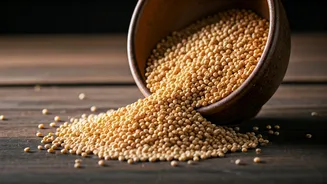
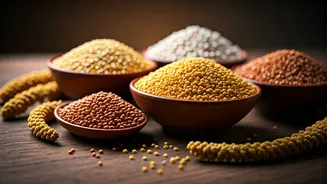
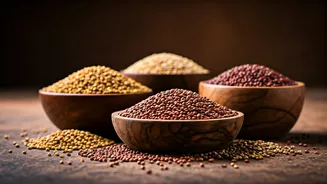
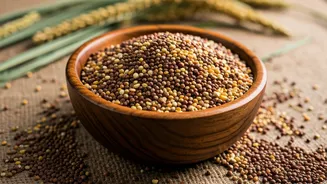
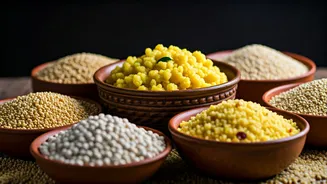
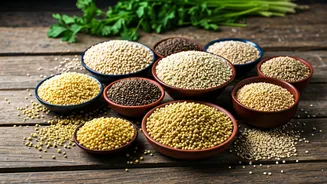
For generations in India, sorghum—known locally as jowar—has been a staple, primarily as a flour for making wholesome bhakri or roti. While these flatbreads are a beloved part of our cuisine, thinking of jowar only as a flour is like seeing just one colour
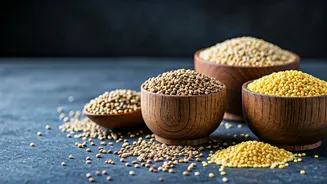
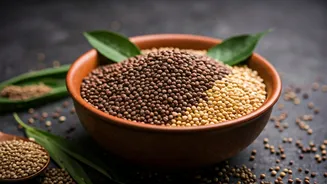
of a rainbow. This hardy, drought-resistant grain, cultivated in Asia and Africa for thousands of years, is experiencing a well-deserved renaissance. It's time to look beyond the roti and see jowar for what it is: a versatile, nutritious, and incredibly comforting whole grain, perfectly suited for the modern breakfast table. Its slightly nutty flavour and hearty, chewy texture make it an excellent base for a variety of dishes, moving it from a simple staple to a celebrated ingredient.
The Science of Comfort and Health
What makes a food comforting? It's often a combination of warmth, texture, and the feeling of being nourished. Jowar delivers on all fronts, backed by solid nutritional science. It's a powerhouse of complex carbohydrates that digest slowly, providing you with sustained energy throughout the morning without the dreaded sugar crash. This slow-release energy is key to that feeling of long-lasting satisfaction. Jowar is also naturally gluten-free, making it an excellent option for those with celiac disease or gluten sensitivity. Packed with dietary fibre, it promotes excellent digestive health and helps you feel full for longer, which can aid in weight management. Furthermore, it is rich in essential nutrients like iron, magnesium, and B vitamins, which support everything from bone health to energy levels.
From Grain to a Creamy Porridge
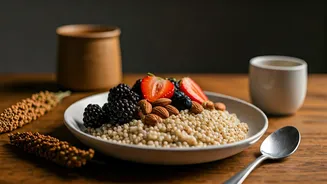
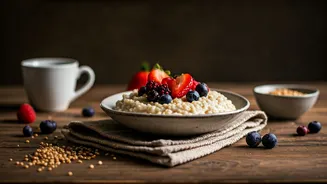
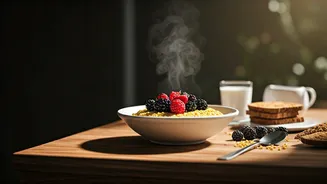
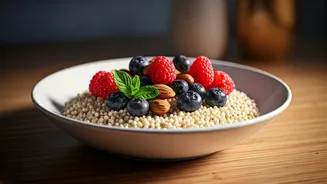
One of the most elemental comfort foods is a warm bowl of porridge, and jowar excels here. You can use whole sorghum grains, which, after soaking and cooking, plump up into satisfyingly chewy pearls. Simply cook the soaked grains with water or milk until tender, which can take about 40-60 minutes on the stovetop or can be done conveniently in a pressure cooker. The result is a creamy, hearty porridge. For a quicker option, jowar flakes or coarse rava can be used to create a porridge in minutes. You can make it sweet with a drizzle of honey, jaggery, or sorghum syrup, and top it with fruits and nuts. Or, for a savoury twist, cook it with a pinch of salt and top with a simple tadka.
A Savoury Start with Jowar Upma
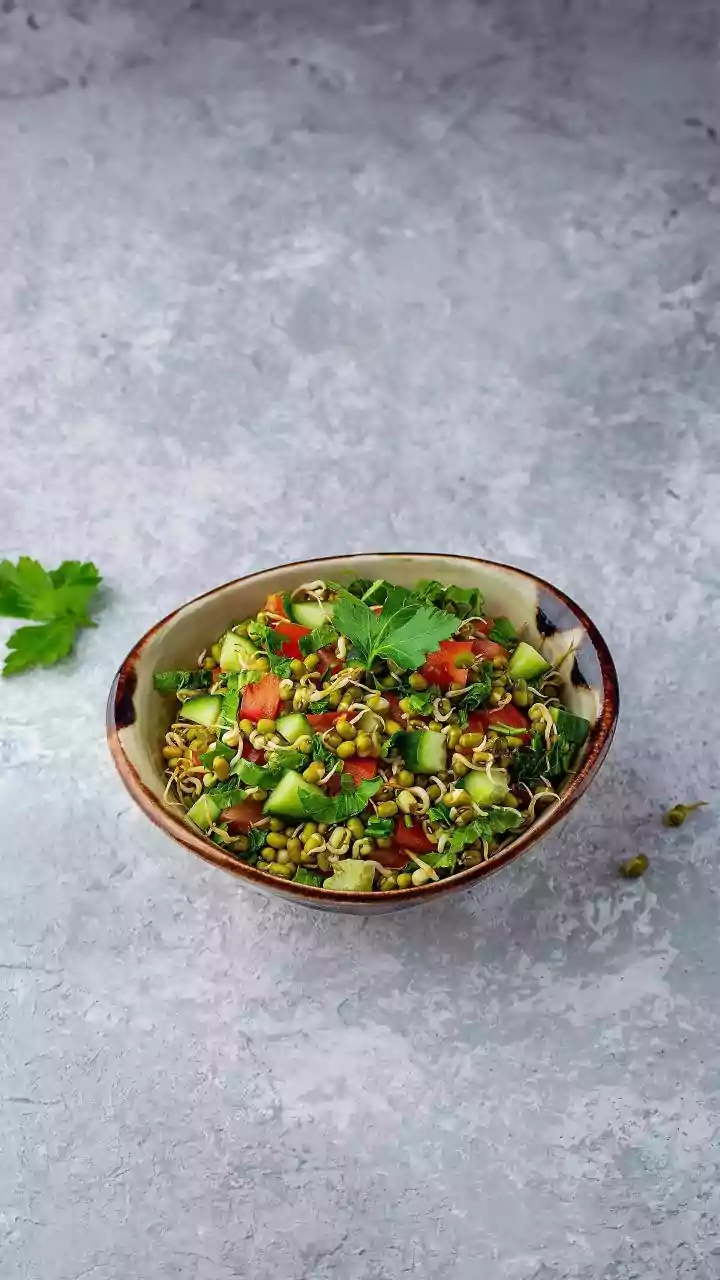
If your breakfast comfort lies in savoury flavours, Jowar Upma is a revelation. This South Indian classic, traditionally made with semolina, gets a nutritious and textural upgrade when made with whole jowar or jowar rava (cream of sorghum). To make it with whole grains, you'll need to soak them overnight and pressure cook them until tender. Then, prepare a classic tempering of mustard seeds, urad dal, curry leaves, and green chillies. Sauté onions, ginger, and your favourite chopped vegetables like carrots and peas before adding the cooked jowar. Mix it all together, finishing with a squeeze of lemon juice and a garnish of fresh coriander. The chewy pearls of jowar absorb the flavours beautifully, creating a dish that is both comforting and excitingly different.
Beyond the Bowl: Pancakes and Dosas
The versatility of jowar flour extends to other breakfast favourites. You can create fluffy, nutritious pancakes by blending jowar flour with a little whole wheat flour (if not gluten-free), eggs or yoghurt, and milk. These pancakes have a lovely, slightly nutty flavour that pairs wonderfully with both sweet and savoury toppings. For another South Indian inspired breakfast, try making Jowar Dosa. A batter made from soaking jowar, urad dal, and a little rice, then fermented overnight, yields wonderfully crisp and light dosas. These healthy alternatives to classic recipes prove that incorporating jowar into your breakfast doesn't mean sacrificing your favourite comfort foods—it means enhancing them.