





Your Body's Clock vs. the Alarm Clock
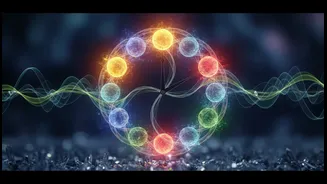
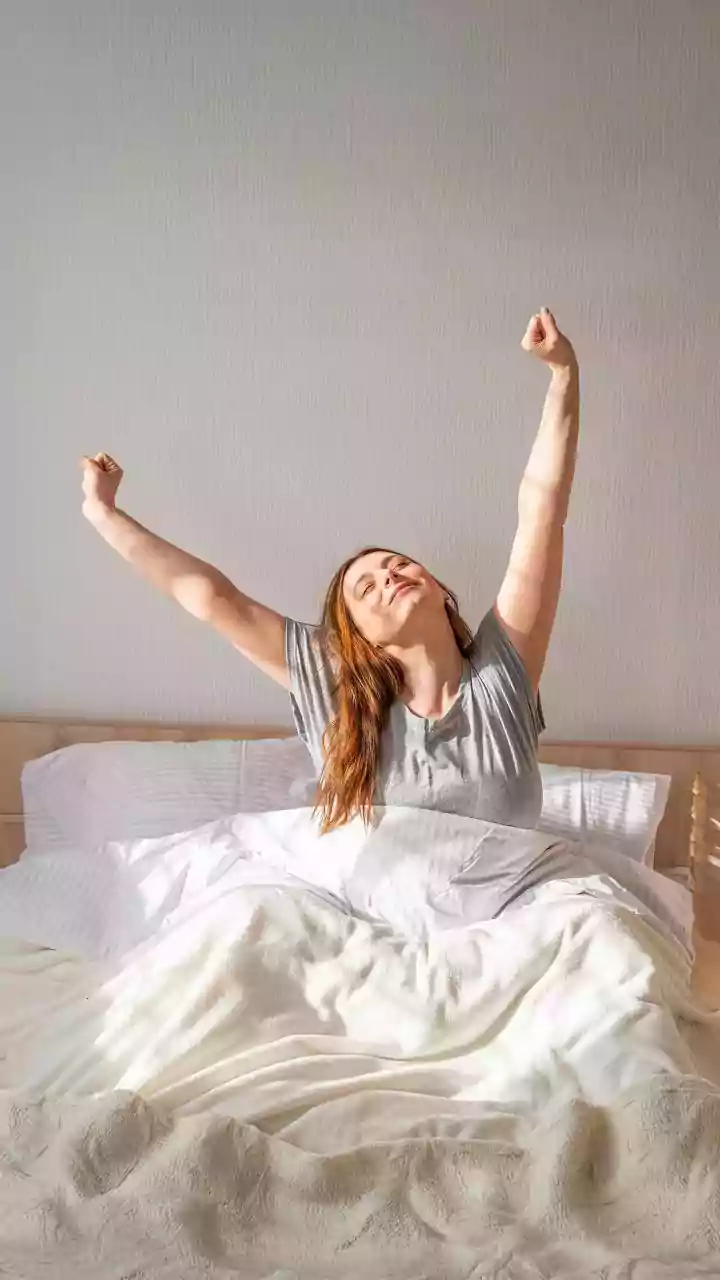
You have an internal 24-hour clock known as a circadian rhythm. This biological timer regulates everything from your sleep-wake cycle to hormone release, body temperature, and energy levels. It’s the reason some of us are “morning larks” who feel sharpest
at dawn, while others are “night owls” who only hit their stride in the afternoon or evening. This natural disposition is called your chronotype, and it's largely genetic. Forcing a workout against your chronotype, like a night owl hitting a pre-dawn boot camp, can feel like an uphill battle because your body isn’t biologically ready. Research suggests that aligning exercise with your chronotype can lead to better results, including greater improvements in fitness, blood pressure, and sleep quality.
How to Find Your Personal Power Hour
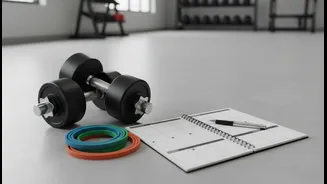
Identifying your peak energy period doesn't require complex tests. For many, it's intuitive. However, to get a clearer picture, try a simple tracking exercise for a week or two. Every few hours, rate your energy and focus on a simple scale—for example, low, medium, or high. Make a note in a journal or on your phone at times like 9 AM, 1 PM, 4 PM, and 8 PM. Pay attention to when you feel most alert, motivated, and physically capable. Also, observe your patterns on days off when your schedule isn't dictated by work. If you naturally wake up much later on weekends, you're likely a late chronotype. After a week, you'll see a pattern emerge, revealing the one to three-hour window when your energy is most reliable. This is your potential prime time for exercise.
Matching Your Workout to Your Chronotype
Once you know your chronotype, you can tailor your workouts. Morning Larks often feel energised and ready to go soon after waking. A morning workout can set a positive tone for the day and ensures it gets done before other obligations pile up. For you, moderate cardio or a focused strength session can be ideal. Intermediate Types, who make up the majority of the population, often find their peak performance window in the late afternoon. This is when core body temperature is highest, making muscles more flexible and efficient, which is great for strength training, HIIT, or endurance activities. Night Owls naturally peak in the late afternoon or evening. This can be a perfect time for hitting personal bests in strength or enjoying a long run as your body is fully primed. If evening is your only option, just be mindful of high-intensity workouts too close to bedtime, as they might interfere with sleep; activities like yoga or a moderate jog can be a better choice.
Navigating the Noise of Social Expectations
Fitness culture, especially on social media, often glorifies the 'rise and grind' mentality, creating a narrative that early morning workouts are superior. This can lead to guilt if your body's rhythm doesn't align. It's crucial to understand that consistency trumps timing. The 'best' time to exercise is the time you can consistently stick to without fighting your biology. When friends or family pressure you to join their early morning run, it can sometimes have the opposite effect, making you less likely to exercise at all. Instead of succumbing to pressure, explain that you're aligning your workouts with your energy levels for better results. Find a workout buddy who shares a similar chronotype or use group settings to create accountability and make exercise fun on your schedule. True success in fitness comes from building a sustainable routine that works for you, not from meeting an arbitrary social standard.