






Mistake 1: Ignoring Pre-Monsoon Prep
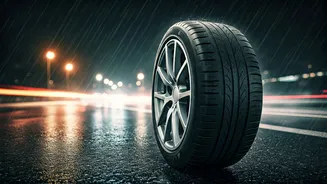
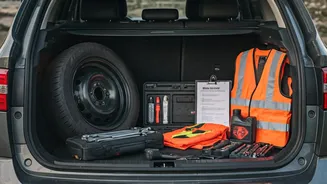
The most dangerous mistake is made before you even turn the key. Driving a car that isn't ready for the rain is a recipe for disaster. Your tyres are the single most important safety feature in wet conditions. If the tread depth is low (less than 2-3mm),
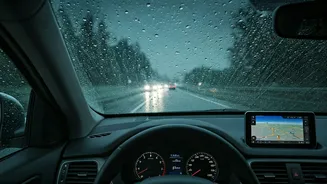
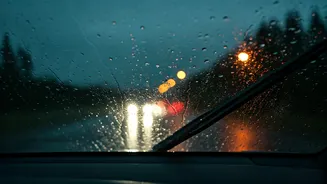
your tyres cannot effectively channel water away, leading to a loss of grip. Similarly, old, cracked wiper blades won't clear your windscreen properly, severely reducing visibility when you need it most. Also, check all your lights—headlights, taillights, and indicators. In a downpour, being seen is just as crucial as seeing.
Mistake 2: Driving Too Fast for Conditions
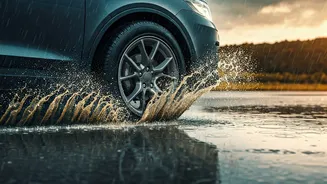
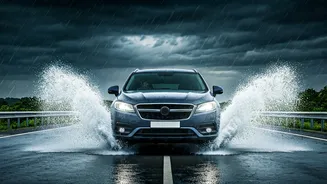
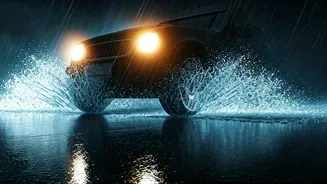
The speed limit is for ideal, dry conditions. On a wet road, it's irrelevant. Driving too fast is the primary cause of hydroplaning (or aquaplaning). This occurs when your tyres ride on a layer of water instead of the road surface, causing a complete loss of steering and braking control. It can happen at speeds as low as 50-60 km/h if the water is deep enough. The golden rule is simple: slow down significantly. This gives you more time to react, increases your tyres’ ability to maintain contact with the road, and reduces the severity of any potential collision.
Mistake 3: Following Too Closely
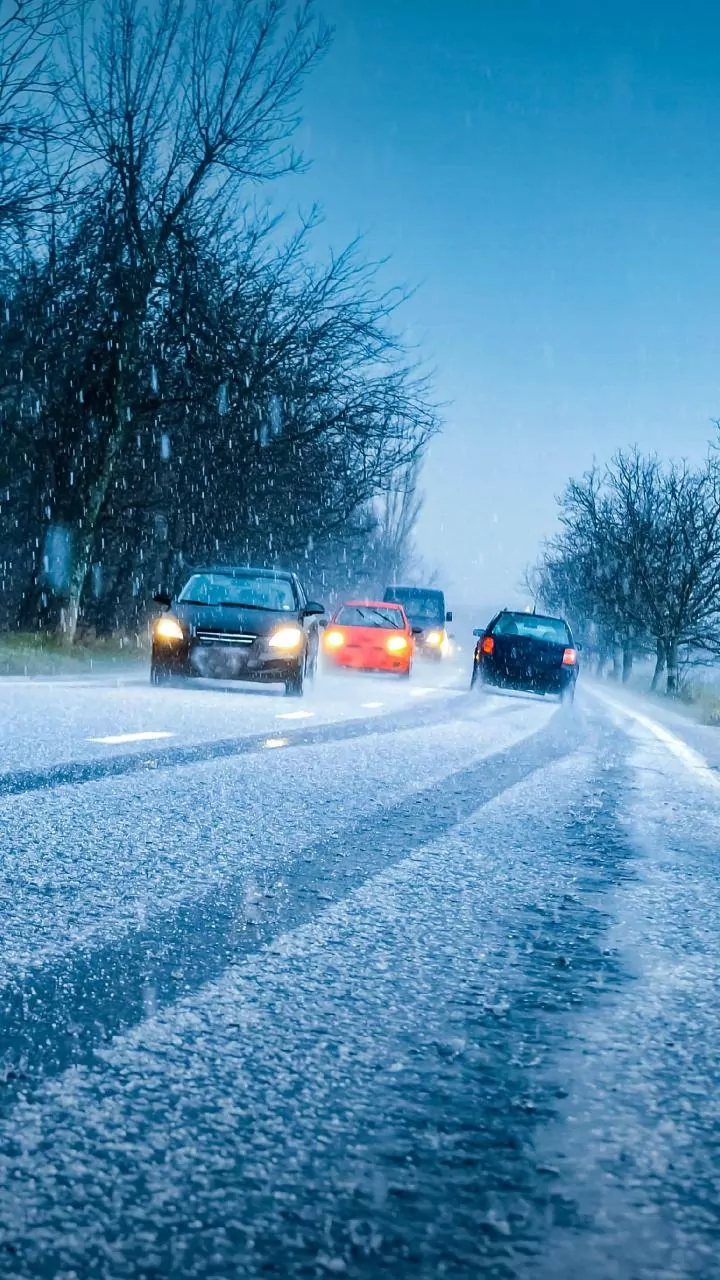
Tailgating is a dangerous habit on any day, but in the rain, it’s reckless. Your car’s stopping distance dramatically increases on wet surfaces—sometimes by as much as double. The standard ‘three-second rule’ for maintaining a safe following distance should be extended to at least five or six seconds. To measure this, watch as the vehicle ahead passes a fixed object (like a sign or a tree) and count the seconds it takes for you to pass the same object. If it’s less than five, you are too close. This buffer gives you the space you need to brake smoothly and safely without skidding.
Mistake 4: Misusing Hazard Lights
This is a widespread and dangerous practice on Indian highways. Many drivers switch on their hazard lights (the ‘blinkers’) the moment it starts raining heavily, believing it improves their visibility. It does the opposite. Hazard lights are designed to signal that your vehicle is stationary and a potential obstruction. When you use them while moving, other drivers cannot tell if you are braking, changing lanes, or turning, as your indicators won't work. This creates massive confusion and increases the risk of a rear-end collision. Use your headlights (on low beam) and taillights to remain visible; use hazard lights only when you have pulled over and stopped completely.
Mistake 5: Braving Waterlogged Roads
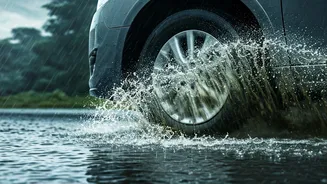
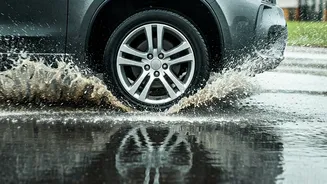
A puddle might look harmless, but it can hide a multitude of dangers. You have no way of knowing its true depth or what lies beneath—a massive pothole, an open manhole, or sharp debris that could puncture a tyre. Driving through deep water can cause your engine to stall if water enters the air intake (a costly repair known as hydrostatic lock). Worse, you could lose control of the vehicle as it gets pushed by the water's current. If you must proceed, do so slowly in a low gear, and watch other vehicles to gauge the depth. If the water is above the centre of your wheels, it’s best to turn back and find an alternative route.
Mistake 6: Abrupt Manoeuvres
Sudden actions are your enemy on a wet road. Hard braking, aggressive acceleration, and sharp steering inputs can easily overwhelm the limited grip your tyres have. This is how skids start. All your actions should be smooth, gentle, and deliberate. Apply brakes earlier and with less force than you would on a dry road. Ease onto the accelerator instead of stomping on it. Guide the car through turns with smooth, gradual steering movements. Think of it as trying not to spill a glass of water on your passenger seat—every move should be controlled and gentle.