
The Ancient Magic of Fermentation
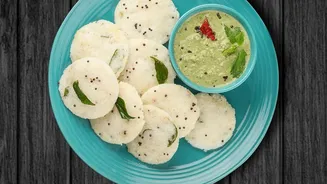
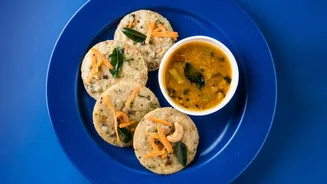
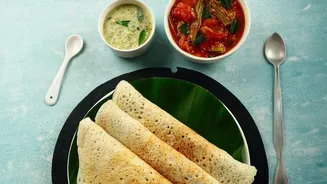
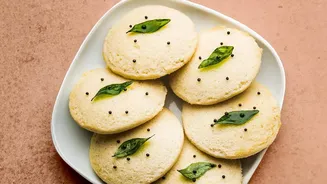
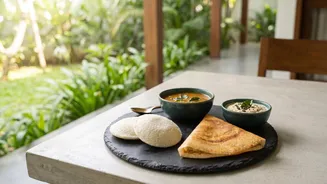
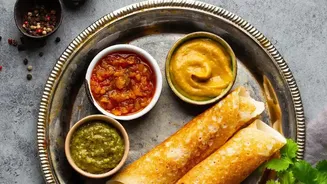
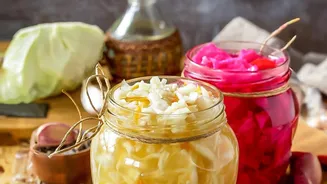
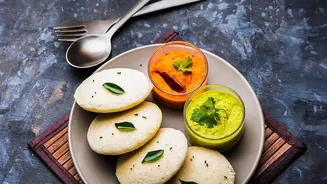
At its heart, fermentation is a metabolic process where microorganisms like bacteria and yeast convert carbohydrates into acids, gases, or alcohol. In South Indian cooking, this process is the star of the show, especially in the preparation of idli and dosa
batter. When a mixture of ground rice and urad dal (black gram) is left to rest for several hours, a fascinating microbial dance begins. Naturally present bacteria, primarily from the surface of the urad dal, get to work. These microbes, including beneficial strains like Leuconostoc and Lactobacillus, break down the starches and proteins in the batter. This pre-digestion not only makes the final product lighter and easier for our bodies to process but also creates the characteristic tangy flavour and airy, spongy texture we love.
Meet Your Gut Microbiome
To understand why fermented foods are so beneficial, we first need to meet the trillions of microorganisms living in our digestive tract. This bustling internal ecosystem is known as the gut microbiome. It's a complex community of bacteria, viruses, and fungi that plays a crucial role in everything from digestion and nutrient absorption to immune function and even mood regulation. A healthy, diverse microbiome is key to overall wellness. When the 'good' bacteria are thriving, they help keep 'bad' bacteria in check, support a strong gut lining, and ensure our digestive system runs smoothly. An imbalance can lead to issues like bloating, poor digestion, and a weakened immune response.
A Plate Full of Probiotics
Fermented foods like idli and dosa are considered natural probiotics. Probiotics are live, beneficial microorganisms that, when consumed in adequate amounts, add to the population of good bacteria in your gut. The lactic acid bacteria (LAB) that flourish during the batter's fermentation, such as various Lactobacillus species, are some of the most well-known probiotics. By eating these foods, you are directly introducing these helpful microbes into your system, which helps restore and maintain a healthy balance in your gut flora. Studies have shown that a diet rich in these traditional fermented foods can promote the growth of healthy gut bacteria, leading to improved digestion and enhanced immune function.
Beyond Live Bacteria: The Power of Postbiotics
While many praise fermented foods for their live probiotic content, there's another crucial benefit that survives the cooking process: postbiotics. Postbiotics are the beneficial byproducts created by the bacteria during fermentation. These include compounds like organic acids, enzymes, and short-chain fatty acids (SCFAs). Even after the idlis are steamed or the dosa is cooked—a process that kills the live bacteria—these valuable compounds remain. Postbiotics are powerful in their own right. They help nourish the cells lining your gut, strengthen the gut barrier to prevent 'leakiness', reduce inflammation, and can even help regulate blood sugar levels. So, even though cooked idli isn't technically a probiotic food anymore, it delivers a wealth of these health-promoting postbiotic compounds.
More Nutrients, Less Work for Your Gut
The fermentation process is like having a team of tiny chefs pre-digest your food for you. By breaking down complex carbohydrates and proteins, these microbes make the nutrients in the rice and lentils more bioavailable, meaning your body can absorb them more easily. Fermentation also reduces the presence of 'anti-nutrients' like phytic acid, which are naturally found in grains and legumes and can hinder the absorption of minerals like iron and zinc. Furthermore, the process can increase the levels of certain B vitamins, including B12, riboflavin, and thiamin, adding to the overall nutritional value of your breakfast.