


From Deserts to Rainforests
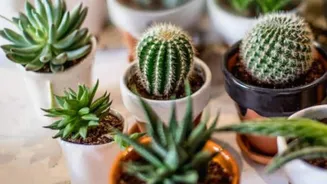
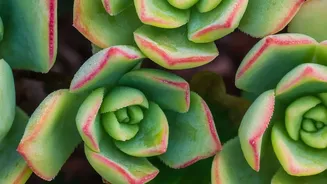
The core reason for separate watering schedules lies in the plants' native environments. Succulents, like cacti, jade, and echeveria, evolved in arid or semi-arid regions with infrequent, heavy rainfall. Their fleshy leaves, stems, and roots are brilliant
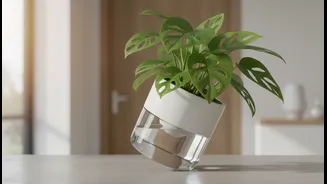
water storage tanks, designed to sustain them through long dry spells. Giving them a little water too often is a common mistake that leads to root rot, the number one killer of these resilient plants. On the other hand, plants like ferns, calatheas, and peace lilies hail from tropical or subtropical rainforests. Their natural habitat involves frequent rain showers, high humidity, and consistently damp soil. They did not evolve to store vast amounts of water and will quickly show signs of distress, such as wilting and crispy leaves, if their soil dries out completely.
Speaking Succulent: Signs of Thirst vs. Drowning
The key to watering succulents is the “soak and dry” method. This means you water the soil thoroughly until it runs out the drainage hole, then wait for the soil to dry out completely before watering again. Don't follow a strict calendar; instead, let the plant tell you when it's thirsty. An underwatered succulent will have leaves that feel less firm, look slightly wrinkled, or start to shrivel. An overwatered succulent is a much sadder sight. Its leaves may become soft, mushy, translucent, and fall off at the slightest touch. When in doubt, it’s always better to underwater a succulent than to overwater it.
Caring for Moisture Lovers
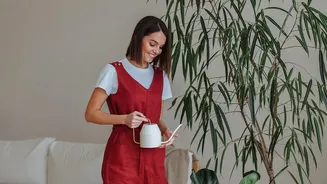
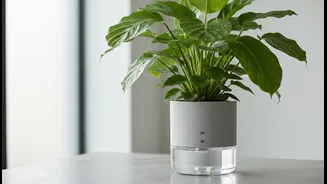
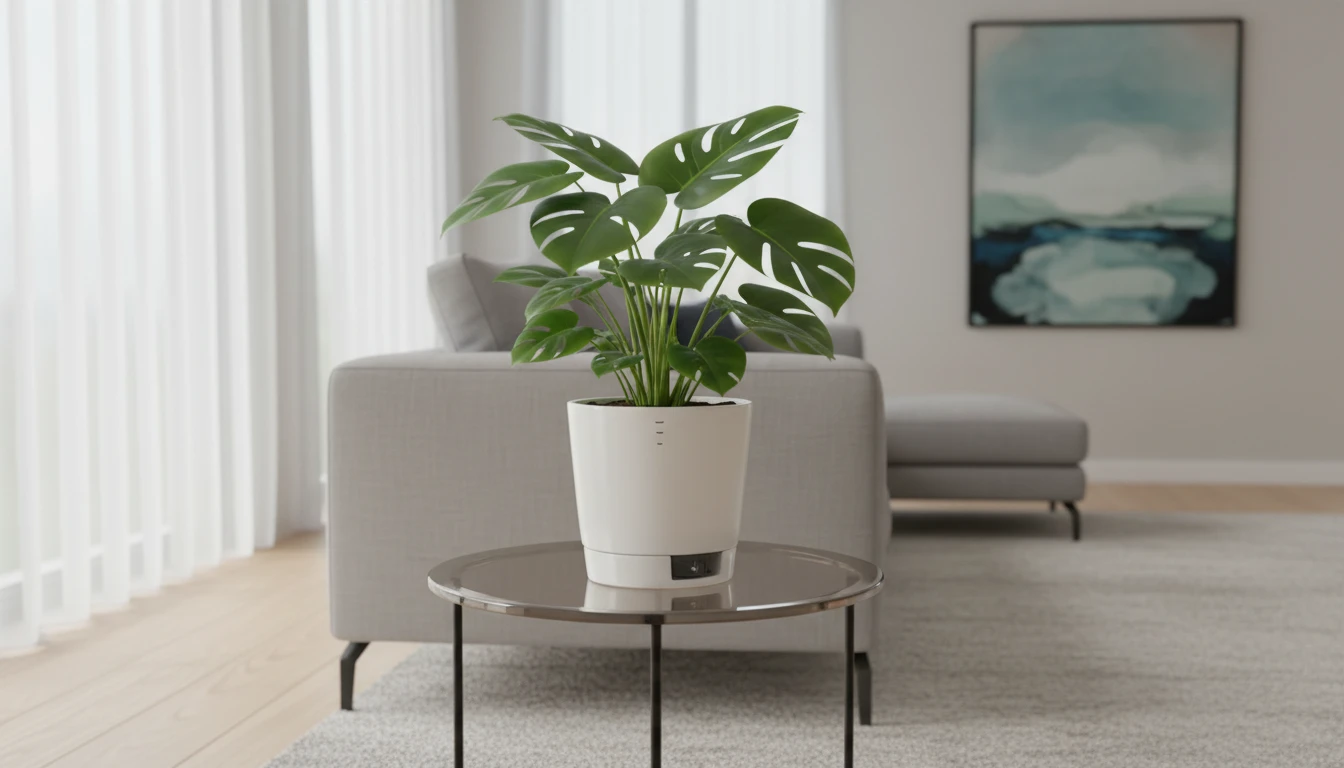
Moisture-loving plants are the opposite of succulents; they prefer their soil to remain consistently moist, but not waterlogged. The goal is to keep the soil feeling like a well-wrung-out sponge. Letting them dry out completely between waterings can stress the plant, leading to brown, crispy leaf edges and wilting. For these plants, check the top inch of soil. If it feels dry to the touch, it’s usually time to water. Because they thrive in humidity, many tropical plants also appreciate being grouped together or placed on a pebble tray with water to increase the ambient moisture.
The Power of Grouping
The easiest way to manage these conflicting needs is through a practice gardeners call “hydrozoning.” This simply means grouping plants together based on their similar water requirements. Keep your collection of succulents and cacti on a sunny windowsill where you know to water them infrequently. Meanwhile, group your ferns, marantas, and other tropicals in a different area where you can check on their moisture levels more regularly. This not only makes your watering routine more efficient but also dramatically increases the chances of all your plants thriving by providing them with the specific care they need. It prevents the common mistake of overwatering a desert plant that sits next to a thirsty tropical.
Soil and Potting Matter Too
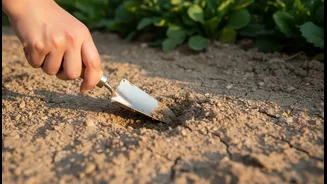
A plant's watering needs are also directly tied to its soil and pot. Succulents require a gritty, fast-draining soil mix that doesn't retain a lot of moisture. Using standard potting soil can hold too much water for too long, leading to rot. Moisture-loving plants, while enjoying dampness, still need well-aerated soil and pots with good drainage to prevent their roots from sitting in stagnant water. Using terracotta pots can help soil dry out faster, which is often beneficial for succulents, while glazed ceramic or plastic pots retain moisture longer, which can be an advantage for tropicals.