
From Heirloom to High Fashion
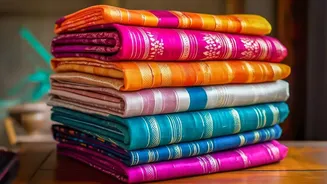
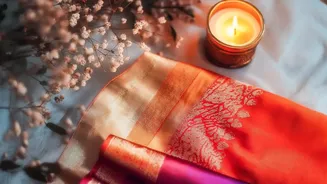
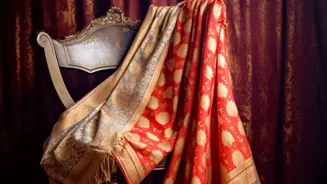
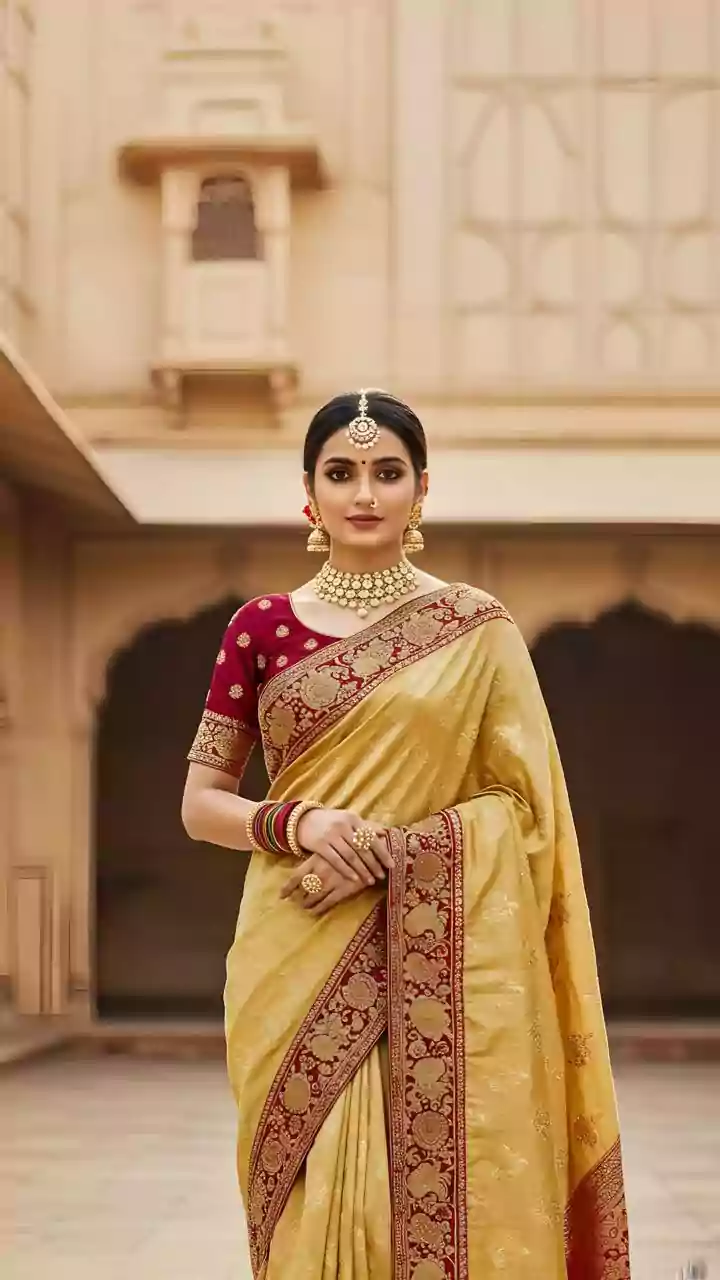
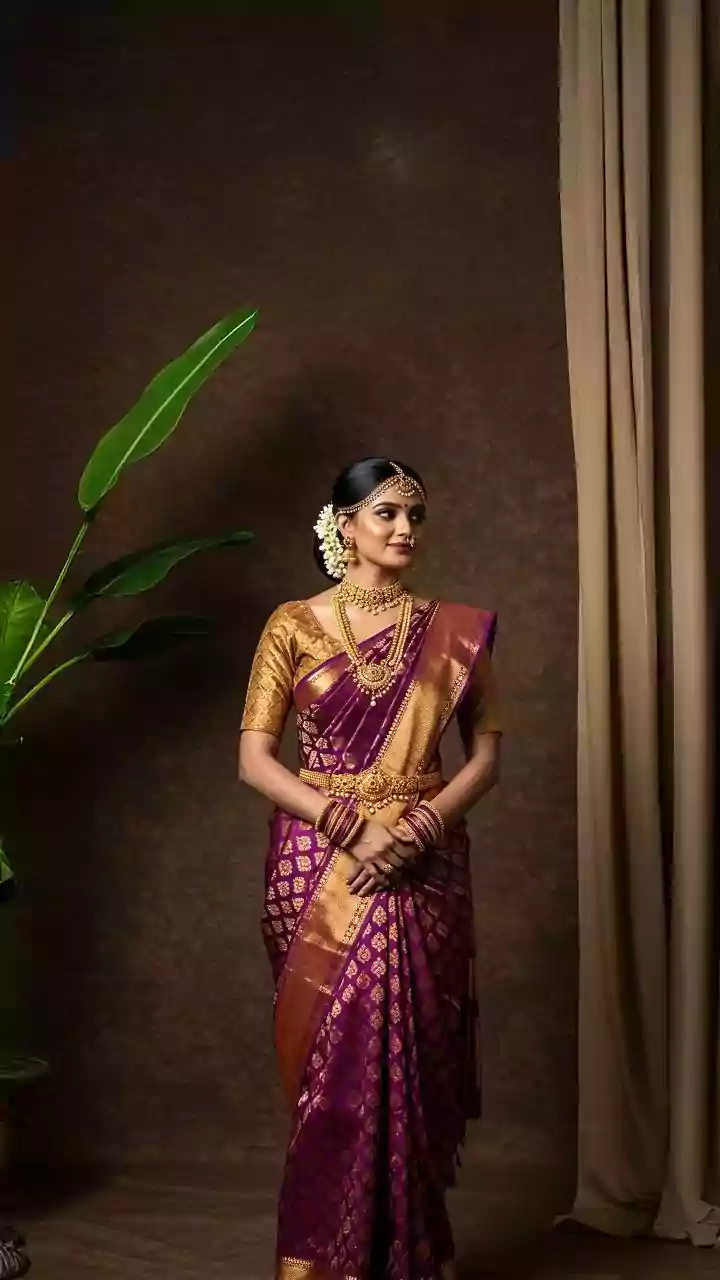
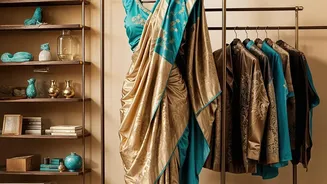
The familiar sight of a Kanjeevaram or Banarasi saree, carefully folded and stored for decades, is getting a radical update. Young fashion enthusiasts and a wave of new designers are looking at their mothers' and grandmothers' collections not as relics,
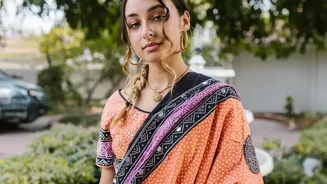
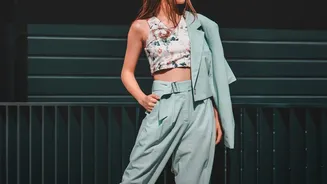
but as raw material. They are transforming these six yards of history into contemporary outfits that are turning heads. The most popular reincarnation is the co-ord set—a matching top and bottom. But the creativity doesn't stop there. The rich, often intricately woven pallu of a silk saree is being fashioned into structured corsets and bustiers. Entire sarees are being repurposed into sharp pantsuits, flowing jackets, and elegant lehengas, giving the traditional textile a fresh, modern silhouette.
A Conscious Stand Against Fast Fashion
This trend is more than just a stylistic choice; it's a statement. For a generation increasingly wary of fast fashion's environmental toll, upcycling is a powerful form of sustainable practice. Reusing an old saree dramatically reduces textile waste and negates the carbon footprint of producing a new garment. It’s a return to an older Indian ethos of resourcefulness, where clothing was made to last and nothing was wasted. By giving a cherished saree a second life, these young consumers are rejecting the disposable nature of modern fashion and championing a more circular, conscious way of dressing. This approach values durability over disposability, a principle deeply woven into the fabric of India's textile history.
Weaving a Connection to the Past
Perhaps the most powerful driver of this trend is emotion. An ancestral saree is never just a piece of cloth; it's a carrier of stories, memories, and sentimental value. It might be the saree a mother wore at her wedding or one a grandmother favoured for festivals. Transforming such a piece is a deeply personal act of honouring family legacy. It allows the younger generation to keep their heritage physically close, but in a form that reflects their own identity and lifestyle. Rather than letting these beautiful textiles languish in a trunk, they are integrating them into their daily lives, creating a tangible connection between past and present. Each stitch carries forward a story, adapting a family's history for the modern age.
The Allure of the One-of-a-Kind
In a world dominated by mass-produced trends where everyone can own the same outfit, the appeal of a truly unique piece is undeniable. An upcycled saree outfit is, by its very nature, one-of-a-kind. The specific weave, the pattern of the zari border, and the unique design of the pallu cannot be replicated. This makes each creation a bespoke statement of personal style. Brands and designers tapping into this trend find that pieces made from the pallu, like corsets, are especially popular because their intricate and singular designs are impossible to mass produce. This exclusivity is a core part of the allure, offering a sense of individuality that fast fashion simply cannot provide.
A New Language of Style
The movement is also creating a new design language, blending traditional craftsmanship with modern cuts. Designers are strategically using the most ornate parts of the saree to create focal points. A heavy brocade border might become the lapel of a jacket or the waistband of a pair of trousers. The dazzling pallu might form the front panel of a dress, while the simpler body of the saree is used for the sleeves and back. This thoughtful deconstruction and reconstruction honours the original craftsmanship while placing it in a completely new context. Pairing a Banarasi corset with tailored pants or a denim jacket perfectly illustrates this fusion, creating a look that is both deeply Indian and globally relevant.