




The Unpredictable Monsoon
The engine of India’s climate, the southwest monsoon, is becoming less reliable. In recent years, the monsoon's withdrawal has been less predictable. While the normal date for the monsoon to begin its retreat from northwest India is around September 17,
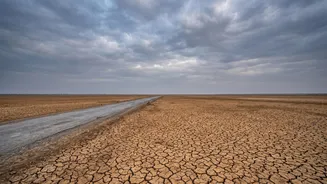
the actual timing now varies. For travellers, this means the 'dry' season might not start as cleanly as it once did. October, once considered a safe, post-monsoon month, can now experience lingering rains, while some years see an earlier-than-expected withdrawal. This variability is the new normal, with climate change increasingly linked to more intense and erratic rainfall patterns. The key takeaway for travel planning is that the clear lines between wet and dry seasons are blurring.
Himalayan Treks: A Shifting Calendar
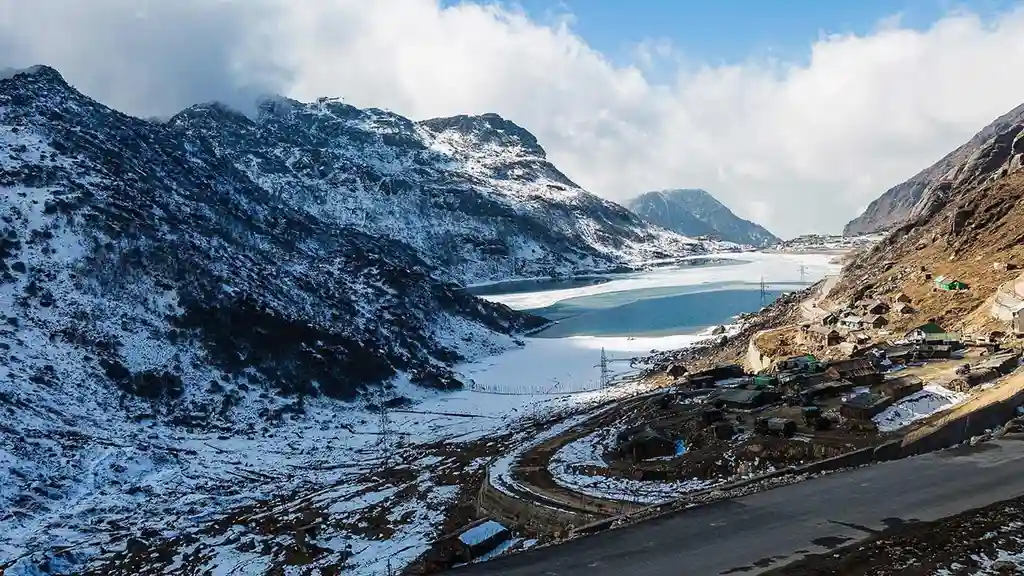
The Himalayas are warming faster than the global average, a change that is directly impacting the region's classic trekking seasons. For decades, spring (March-May) and autumn (September-November) offered stable weather for popular treks. Now, that predictability is fading. The monsoon's delayed retreat can bring rain and cloud cover well into what used to be the start of the clear autumn trekking window. Similarly, snowfall patterns have become erratic, with late snows in spring blocking high passes well into March or unseasonal dumps in what should be dry autumn months. This doesn't make trekking impossible, but it does require more flexibility. The edges of the traditional seasons are now more variable, and well-prepared trekkers should check current conditions and be open to adjusting their plans.
Goa & The Coast: Still a Winter Haven?
Goa's peak season has traditionally been from November to February, prized for its pleasant, dry weather and calm seas. This window remains the most popular time to visit for its vibrant nightlife and fully operational beach shacks. However, the shoulder seasons are becoming more interesting. With the monsoon's behaviour changing, October can sometimes be a gamble, but it can also offer lush, green landscapes and fewer crowds for those willing to risk a few showers. The summer months of March to May remain hot and humid, but offer significant budget advantages. While the core winter season is still the safest bet for perfect beach weather, travellers looking for solitude and verdant scenery might find the monsoon months of June to September increasingly appealing, especially as this is when waterfalls are at their peak and hotels offer lower prices.
Rajasthan: Beyond the Winter Peak
The classic time to visit the desert state of Rajasthan is during the cool, dry winter, from October to March. Intense summer heat, with temperatures often soaring above 40°C, makes daytime exploration from April to June exhausting and sometimes unsafe. However, an interesting alternative is emerging: monsoon tourism. While it may seem counterintuitive, Rajasthan typically receives moderate, rather than disruptive, rainfall from July to September. This transforms the arid landscape into a surprisingly lush and green spectacle, fills the lakes of Udaipur, and offers a more relaxed experience with fewer crowds. For travellers hesitant about extreme summer heat, the monsoon provides a cooler, more comfortable, and budget-friendly window to explore the state's magnificent forts and palaces.