



Understanding the Feline Mindset
Unlike dogs, cats are not naturally pack animals. Their ancestors were solitary hunters who fiercely protected their resources and territory. This instinct remains strong in our domestic companions. When you bring a new cat home, your resident cat doesn't
see a potential friend; it sees an intruder invading its safe space. This can trigger a classic 'fight or flight' response. The newcomer, thrust into an unfamiliar environment, is often just as terrified. Rushing an introduction forces both into a stressful confrontation they are not equipped to handle, and their instinct is to defend themselves.
The High Cost of a Bad First Impression
A rushed meeting can lead to immediate and long-term problems. The most obvious risk is aggression. Cats may stalk, chase, swat, and bite, leading to serious injuries and expensive vet bills. But the fallout goes beyond physical fights. The immense stress can manifest in other destructive ways. You might notice one or both cats start urinating outside the litter box, a common sign of anxiety and territorial marking. Other signs of stress include hiding, excessive grooming, changes in appetite, and increased vocalization like yowling or growling. A bad start can create a negative association that is very difficult to undo, potentially leading to a permanent state of conflict in your home.
Warning Signs You're Moving Too Fast
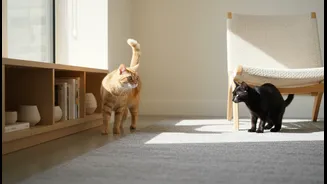
The cats themselves will tell you if you are pushing them beyond their comfort zone. Pay attention to their body language. Pinned-back or flattened ears, a twitching or puffed-up tail, dilated pupils, and a crouched, tense posture are all clear indicators of fear, stress, or aggression. Hissing and growling are direct warnings to back off. If you see any of these signs during an interaction, it's a signal to immediately and calmly separate the cats and take a step back in the introduction process. Forcing them to 'work it out' is a common mistake and often makes the situation much worse.
The Golden Rule: Slow and Steady
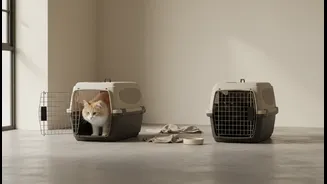
The universally recommended method for a successful introduction is patience. The process can take weeks or even months, and the pace must be set by the cats' comfort levels, not your own schedule. The first step is complete separation. The new cat should have its own dedicated room with food, water, a litter box, and toys. This allows the newcomer to acclimate to a small, safe space while the resident cat gets used to the new sounds and smells from a distance.
A Step-by-Step Path to Peace
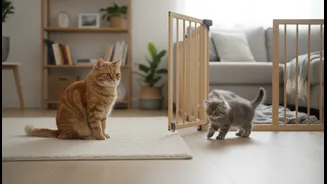
After a few days of complete separation, begin 'scent swapping'. Take a blanket or cloth that one cat has slept on and give it to the other, and vice versa. This allows them to get used to each other's scent without the stress of a face-to-face encounter. Once they seem calm with the scents, you can progress to short, supervised visual meetings, perhaps through a baby gate or a slightly cracked door. Keep these initial meetings brief and positive, offering treats or engaging in play to help them associate the other cat with good things. If at any point there is a sign of major stress, go back to the previous step for a few more days. Progress isn't always linear; taking a step back isn't a failure, it's listening to your cats.