





The Skin’s Natural Mortar
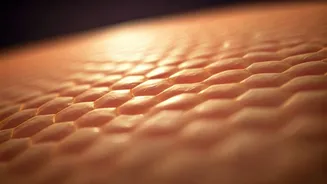
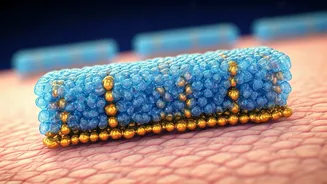
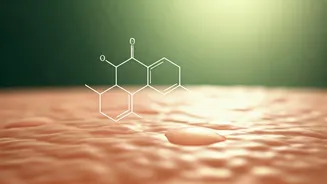
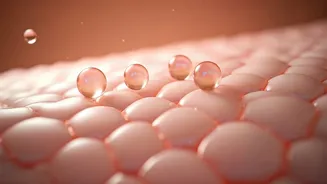
Think of your skin barrier as a brick wall. The skin cells are the bricks, and the lipids (fats) surrounding them are the mortar, holding everything together and keeping it strong. Ceramides are a major component of this mortar, making up about 50% of it.
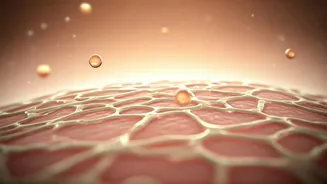
They are waxy lipid molecules that are naturally present in our skin, playing a crucial role in maintaining its structure and function. Without enough ceramides, this 'wall' develops cracks, leading to moisture loss and leaving the skin vulnerable to irritation and environmental damage. This is why a healthy supply of ceramides is essential for keeping your skin hydrated, plump, and resilient.
Why The Sudden Hype?
The focus on ceramides isn't new to dermatologists, but its mainstream popularity is a recent phenomenon. This surge is driven by a smarter, more discerning consumer. After years of experimenting with harsh actives and complex 10-step routines, many are now embracing 'skinimalism' and focusing on repairing and strengthening the skin barrier. The pandemic amplified this, as 'maskne' and increased screen time left many with sensitised skin. For Indian consumers, the trend is particularly relevant. Daily exposure to urban pollution, dust, and harsh UV rays constantly challenges our skin barrier. Brands have recognised this collective cry of help, shifting their marketing from promising miraculous transformations to offering gentle, science-backed support for fundamental skin health. Ceramides are the perfect hero ingredient for this new era.
Your Barrier's Best Friend
The benefits of incorporating ceramides into your skincare routine are direct and scientifically supported. First and foremost, they are masters of hydration. By reinforcing the skin barrier, they prevent transepidermal water loss (a fancy term for water evaporating from the skin), keeping it moisturised for longer. This strengthened barrier also acts as a shield, protecting your skin from environmental aggressors like pollutants and allergens. For those with sensitive or irritated skin, ceramides are incredibly soothing, helping to reduce redness and inflammation. They can also improve the overall texture of the skin, making it feel smoother and look more supple. Because they are 'skin-identical' (meaning our bodies already produce them), they are well-tolerated by almost all skin types.
How to Read the Label
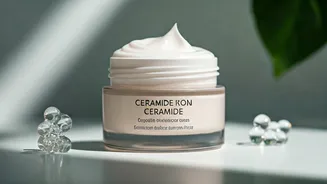
As brands rush to launch ceramide-infused products, it helps to know what you're looking for. On an ingredient list, you’ll typically see them listed as 'Ceramide' followed by letters (like Ceramide NP, EOP, AP) or as 'phytosphingosine' or 'sphingosine,' which are precursors that help your skin produce more ceramides. For maximum effectiveness, ceramides work best as part of a team. Research shows that formulations combining ceramides with other skin-natural lipids like cholesterol and fatty acids are most effective at repairing the skin barrier. So, if you see these ingredients together on a label, it’s a great sign. They are most commonly found in moisturisers, creams, and lotions, as these products are designed to sit on the skin and provide lasting hydration and protection.
A Skincare Staple for Everyone
While ceramides are a holy grail for those with dry, dehydrated, or compromised skin, their benefits are nearly universal. If you have a skin condition like eczema or psoriasis, which are characterised by a dysfunctional barrier, ceramide-based moisturisers can be game-changing. They are also fantastic for anyone using potent active ingredients like retinoids or exfoliating acids, as they can help mitigate the potential for irritation and dryness. Even if you have oily or acne-prone skin, don't shy away. A damaged barrier can sometimes trigger an overproduction of oil to compensate for moisture loss, leading to more breakouts. By keeping your barrier healthy with a lightweight, non-comedogenic ceramide lotion, you can help balance your skin and keep it calm.