


Why Your Balcony Matters to Urban Wildlife
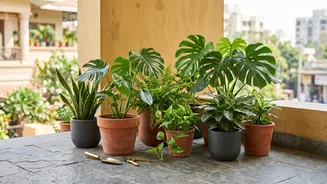
As our cities expand, natural habitats shrink and become fragmented. Parks and green spaces are often too far apart for small creatures like bees, butterflies, and birds to cross. A balcony filled with the right plants acts as a 'green stepping stone'
or a miniature service station. While one balcony alone won't recreate a forest, a network of them across an apartment complex or a neighbourhood can create a vital corridor, offering food, water, and rest for urban wildlife. This simple act of gardening helps boost local biodiversity, ensuring these fascinating creatures continue to be a part of our cityscapes.
The Golden Rule: Go Native
The single most effective thing you can do is to choose plants that are native to your region. Local wildlife has co-evolved with these plants for thousands of years and is adapted to recognise them as sources of food and shelter. While exotic plants can be beautiful, they often don't provide the right kind of nectar or foliage for local insects and birds. Native plants are also hardier, better suited to the local climate, and generally require less maintenance once established.
Best Plants for Bees and Butterflies
To create a pollinator-friendly space, you need flowers. A variety of colours, shapes, and sizes will attract the widest range of insects. Marigolds (Genda) are an excellent, easy-to-grow choice, with their bright yellow and orange blooms being a magnet for bees and butterflies. Fragrant flowers like Jasmine (Mogra or Chameli) and herbs like Tulsi (Holy Basil), if allowed to flower, are also incredibly effective. For a bit of vertical drama, the Butterfly Pea (Aparajita) is a fast-growing climber with beautiful blue flowers that butterflies love. Other great options that thrive in Indian balconies include Zinnia, Lavender, and Salvia.
Inviting the Birds to Your Balcony
Attracting birds involves providing three key things: food, water, and shelter. Plants like native Hibiscus offer nectar for birds like sunbirds, while their dense foliage can provide cover. Sunflowers are another fantastic choice; pollinators love the flowers, and once they go to seed, small birds like sparrows and finches will feast on them. However, you don't have to rely on plants alone. The most effective way to attract common Indian city birds like sparrows and mynas is to provide food and water consistently. A simple, shallow dish of clean water, changed daily, can be a lifeline, especially during hot summers. For food, a mix of millet (bajra) and broken rice in a flat tray will make your balcony a favourite stop for sparrows.
Creating a Complete and Safe Haven
To make your balcony a true habitat, think beyond just plants. Providing a consistent water source is crucial. A shallow earthen bowl (or 'matka') is perfect for birds to drink from and even bathe in. Ensure you change the water daily to keep it fresh and prevent mosquitoes from breeding. Most importantly, avoid all chemical pesticides and fertilizers. These chemicals can be harmful to the very creatures you are trying to attract. A healthy ecosystem will naturally manage most pests. Finally, create a sense of safety. Place feeders and water bowls in a quiet corner of the balcony, perhaps near a potted plant, to give birds cover and a place to perch. Avoid sudden movements or loud noises, especially in the morning when birds are most active.