





Recent reports about Nepal imposing new rules and penalties on Indian tourists have caused widespread confusion and concern. Are Indian travellers facing new restrictions? We break down the facts, separating rumour from reality.
Myth: New Stay Limits and Fines for Indians
Over the past several months,
claims have circulated online suggesting that Nepal has implemented strict new rules specifically for Indian tourists. These rumours included a 30-day cap on stays, mandatory submission of new identification documents, and even the threat of vehicle confiscation for those who overstayed. However, these reports are misleading. The Nepal Tourism Board has issued strong and clear statements confirming that these claims are entirely false and baseless. The long-standing open-border arrangements and friendly bilateral agreements between India and Nepal remain fully intact. Indian citizens can continue to travel to Nepal without any new time restrictions imposed upon them.
The Source of the Confusion: Vehicle Permits vs. Tourist Stays
The confusion appears to have stemmed from a new digital system introduced by Nepal's Department of Customs. This online portal was designed to streamline the process for foreign vehicles, including those from India, to get temporary entry permits. This vehicle permit system has a 30-day validity period within a year. This rule applies only to the vehicle being driven into Nepal, not to the tourists themselves. The Nepal Tourism Board has clarified that this initiative was aimed at making travel more convenient for visitors entering by road, not at restricting the movement or stay of Indian nationals. There is no 30-day limit on how long an Indian tourist can stay in the country.
Reality: Trekking Permits Are Standard Practice
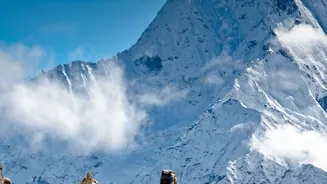
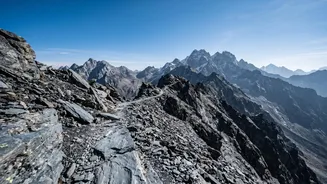
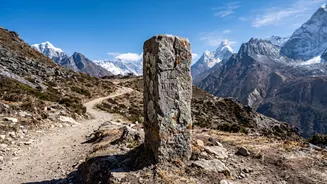
While general tourism in cities like Kathmandu, Pokhara, and Lumbini does not require special permits, trekking in Nepal’s mountainous regions does. This is not a new policy and it applies to all trekkers, regardless of nationality. Permits such as the Trekkers' Information Management System (TIMS) card and various National Park or Conservation Area permits are required for most trekking routes. These systems are in place to ensure trekker safety, manage fragile ecosystems, and facilitate rescue operations in case of emergencies. For Indian citizens, who fall under the SAARC category, the fees for these permits are often significantly lower than for other foreign nationals. It is crucial for anyone planning a trek to check the specific permit requirements for their chosen route with a registered trekking agency.
Reality: India Formalises ID Rules for Nepal Travel
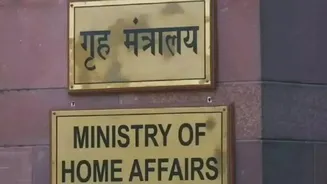
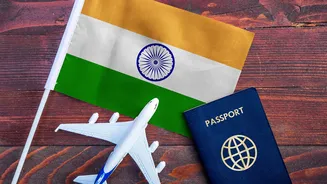
In a recent development on November 5, 2026, India's Ministry of Home Affairs issued an amendment regarding travel documents. The new order formalises the requirement for Indian citizens travelling to Nepal (and Bhutan) by land or air to produce a specified identity document before an immigration officer. For air travel to Nepal, the two primary accepted documents are a valid Indian passport or an original Voter ID card issued by the Election Commission of India. It is important to note that documents like Aadhaar or PAN cards are generally not accepted for air travel to Nepal. The amendment also clarifies a critical point: any Indian citizen using Nepal as a transit point to travel to a third country must possess a valid Indian passport.
Your Checklist for a Safe and Smooth Trip
To ensure your journey to Nepal is hasslefree, it is essential to be prepared with the correct information. First, for general tourism, remember that no visa is required for Indian citizens. However, you must carry a valid passport or an original Voter ID card. Second, if you are planning to trek, you must arrange for the necessary trekking permits (like TIMS or park entry permits) through a licensed agency before you start. Third, if you are driving your personal vehicle across the border, be prepared to use the new online system for your temporary vehicle permit. Finally, and most importantly, always rely on official sources like the Nepal Tourism Board or the Indian Embassy in Kathmandu for the latest travel advisories, and be wary of rumours circulating on social media.