





The New Reality: Visa on Arrival is Back
The most significant change for Indian passport holders in 2026 is the end of the 60-day visa-free entry scheme. This popular programme, which fueled a tourism boom, was officially revoked by the Thai Cabinet in a major overhaul of its immigration policy.
As a result, India has been moved back to the Visa on Arrival (VoA) category. This means travellers can get a visa upon landing in Thailand, but the permitted stay is now much shorter—typically capped at 15 days, without the possibility of an extension. For those planning a longer vacation, the only route is to apply for a 60-day tourist e-Visa in advance. This marks a fundamental shift from the casual, paperwork-free travel that many had grown accustomed to.
The Evidence: What Checks to Expect
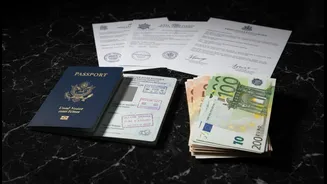
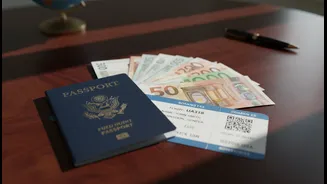
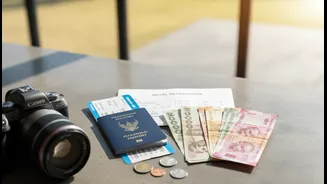
The return to a VoA system comes with a renewed focus on enforcing long-standing entry requirements. Immigration officers now have the discretion to perform more rigorous checks. The most discussed requirement is the proof of funds. Travellers may be randomly asked to show they have sufficient money for their stay. For those on a Visa on Arrival, this is typically 10,000 Thai Baht per person or 20,000 Baht for a family. Some advisories have even suggested Indian travellers be prepared to show up to 20,000 Baht (approximately ₹58,000) in cash or equivalent.
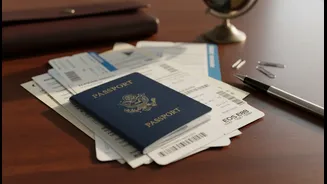
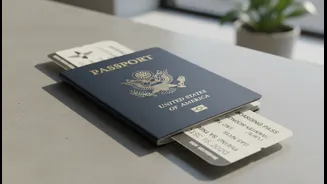
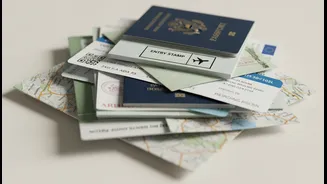
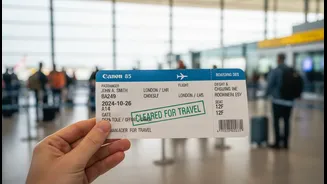
Beyond cash, a full suite of documents is essential. This includes a passport with at least six months of validity, confirmed return flight tickets, and proof of accommodation for your entire stay. Furthermore, all foreign visitors must now complete the Thailand Digital Arrival Card (TDAC) online within 72 hours before arrival and present the generated QR code to immigration.
The Opportunity: Why Thailand is Tightening the Reins
Thai authorities have justified these stricter measures as a necessary step to protect the integrity of their immigration system. The generous 60-day visa-free policy reportedly led to a rise in misuse, with some visitors overstaying their permits or engaging in unauthorized work. By reverting to a more controlled system, the government aims to curb these issues and enhance national security.
This move is also part of a broader strategic shift towards attracting "quality tourism." The rationale is that travellers who can demonstrate financial stability and a clear itinerary are more likely to be genuine tourists who contribute positively to the economy. While the visa-free scheme was successful in boosting sheer numbers, the new framework is designed to create a more sustainable and regulated tourism environment. It's less about discouraging tourists and more about ensuring visitors are well-prepared and their intentions are legitimate.
The Limits: A Barrier for Genuine Tourists?
While the government's logic is clear, the new rules create practical hurdles for Indian travellers. The end of visa-free entry has been widely seen as the loss of a significant travel 'privilege'. The biggest casualty is spontaneity. The dream of booking a last-minute flight to Bangkok for a long weekend is now complicated by the need for comprehensive documentation and financial proof.
The discretionary nature of the checks, particularly the proof of funds, adds a layer of uncertainty and anxiety to the travel experience. Even well-intentioned tourists now face the possibility of being turned away at the border for not having the correct amount of cash on hand. This creates a psychological barrier that may deter some travellers who prefer more predictable and hassle-free journeys. The message is clear: the days of breezing through Thai immigration are over, replaced by a more formal and rigid process.
Navigating the System: Tips for Indian Travellers
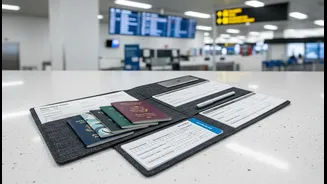
Despite the changes, Thailand remains a welcoming destination. The key is meticulous preparation. Before you travel, create a dedicated folder with printouts of all essential documents: your passport copy, confirmed return flight ticket, and hotel booking confirmations for every night of your stay. Complete the Thailand Digital Arrival Card (TDAC) well within the 72-hour window and save the QR code to your phone.
Regarding the proof of funds, it's wise to err on the side of caution. Carry at least the recommended amount (10,000 to 20,000 THB) in cash, preferably in Thai Baht. While the check is random, being prepared will prevent any potential issues. For stays longer than 15 days, ensure you apply for and receive an e-Visa before your departure. By treating these requirements as a simple checklist, you can ensure your entry into the Land of Smiles is as smooth as possible.