






The Rise of On-Time Transparency
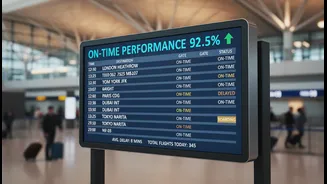
For years, choosing a flight was a two-variable equation: price and schedule. Now, a third factor is becoming just as critical: punctuality. On-Time Performance (OTP) data, which measures how often a flight arrives within 15 minutes of its scheduled time,
has moved from the spreadsheets of aviation analysts to the screens of everyday travelers. Booking platforms like Google Flights have integrated this information directly into search results, often showing a simple, color-coded message indicating if a flight has a history of being on time or frequently delayed. This shift empowers consumers, transforming a once-hidden operational metric into a decisive booking filter. This transparency is a direct response to a growing public frustration with the unpredictability of air travel.
From Post-Pandemic Frustration to Action
The travel boom that followed the pandemic also ushered in an era of unprecedented disruption. Staffing shortages, air traffic control congestion, and strained airline networks led to a spike in delays and cancellations that left millions of travelers stranded. Reports from 2025 showed some of the worst on-time arrival rates in a decade. This sustained period of chaos has eroded passenger trust and created a powerful demand for reliability. Travelers are no longer willing to book a flight and simply hope for the best. Instead, they are actively seeking ways to minimize risk. Using historical on-time data provides a semblance of control, allowing them to dodge flights with a proven track record of tardiness and avoid the cascading stress of a misconnection or a ruined first day of vacation.
How to Wield the Data Like a Pro
So how can you use this information to your advantage? It’s easier than you might think. Many booking sites now display on-time performance directly. On Google Flights, for instance, a small, clear message will often appear below a flight option, stating something like “90% of the time on-time.” For a deeper dive, websites and apps like FlightAware and FlightStats from Cirium offer detailed historical data on specific flight numbers and routes. Even some airline websites provide this information, though it can sometimes be harder to find. The key is to look for patterns. Is a specific 7 p.m. flight to a busy hub consistently delayed, while the 6 a.m. option is usually on time? Choosing the earlier flight might be the smartest decision you make for your trip.
The Impact on the Airline Industry
This new level of passenger awareness is putting pressure on airlines to improve their operations. Punctuality is no longer just an internal key performance indicator; it’s a public-facing selling point. For airlines, the financial and reputational stakes are high. Frequent delays can lead to increased costs for crew, maintenance, and passenger compensation, not to mention significant damage to brand loyalty. Carriers with consistently high OTP ratings, like those published monthly by firms such as OAG and Cirium, can leverage that reliability as a competitive advantage. As more travelers vote with their wallets by choosing airlines known for their punctuality, the entire industry will be forced to place a greater emphasis on running a tighter, more reliable operation. It signals a shift where the passenger experience, starting with simply being on time, is becoming paramount once again.