



A Tale of Ten Tests
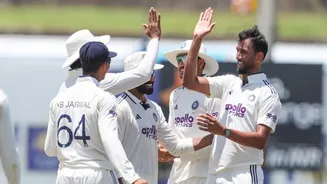
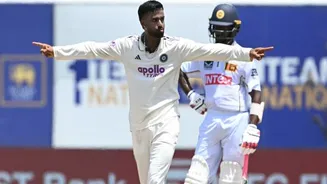
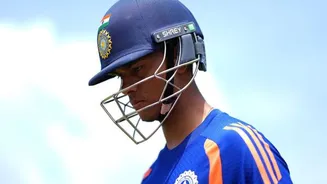
On paper, Shubman Gill's record after his first ten matches at the helm is undeniably impressive. Securing his sixth victory in the Galle Test against Sri Lanka, his report card reads six wins, two losses, and two draws. This 60% win rate is a formidable
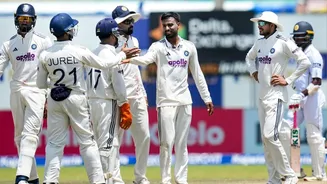
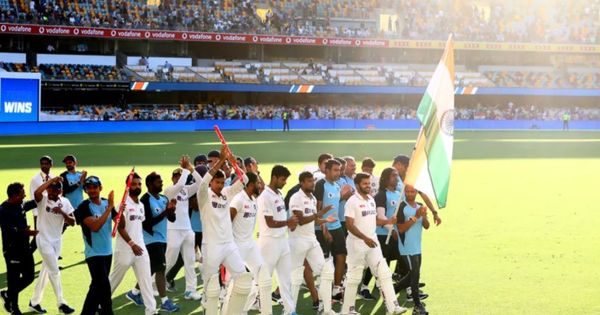
start for any captain, placing him in an elite bracket. The victories have primarily been built on a foundation of home dominance, with a series win against Bangladesh and a hard-fought triumph over a touring England side. The away wins, one in the West Indies and now this latest result in Sri Lanka, demonstrate an ability to succeed in familiar subcontinent conditions. However, the two losses, coming in challenging away tours to South Africa and Australia, serve as a grounding reality check. They highlight the steep climb that awaits in conquering Test cricket's toughest frontiers. The two draws, one at home and one away, show a team that can fight to save a match, a sign of resilience that was a hallmark of previous successful Indian sides.
Beyond the Scorecard
Success in captaincy isn't just measured in wins and losses; it's also about vision and on-field philosophy. Gill has brought a distinct brand of proactive leadership to the fore. Where his predecessors might have waited for the game to unfold, Gill often looks to force the issue. His field placements can be aggressive, sometimes featuring multiple close-in catchers even when the ball is old, daring the opposition to take a risk. This approach has paid dividends, particularly with India's world-class spin attack at home, creating pressure that has suffocated visiting teams. He has also shown immense faith in younger players, fast-tracking talents from the domestic circuit and giving them the confidence to perform on the biggest stage. This willingness to build for the future while winning in the present suggests a long-term strategy is already in motion.
The Captain's Burden
The ultimate test for a top-order batsman-turned-captain is managing their own form amidst the immense pressure of leadership. For Gill, it has been a mixed but ultimately positive bag. In his ten Tests as captain, he has maintained a respectable batting average just north of 40, punctuated by two crucial centuries that directly led to Indian victories. His hundred in the decider against England at home was a masterclass in soaking up pressure and dominating. However, the burden has been visible at times. There have been lean patches, particularly on the tougher away tours, where his dismissal has occasionally triggered a top-order wobble. Juggling tactical duties, media responsibilities, and the need to score runs is a monumental task. So far, Gill has shown he has the temperament to handle it, but achieving consistency with the bat remains his biggest personal challenge.
The Road Ahead
While the start has been promising, Gill's captaincy is still in its nascent stages. Critics point to the fact that four of his six wins have come in home or subcontinent conditions, where India has historically been a juggernaut. The true litmus test for his leadership will be converting the potential shown in places like South Africa and Australia into series-defining victories. Can his aggressive tactics work against a rampant pace attack on a bouncy Perth wicket? Can he rally his troops after a heavy defeat in the first Test of a major away series? These are the questions that will define his legacy. His tenure so far has been characterised by a clear identity and impressive results in favourable conditions, but the journey to greatness requires conquering tougher peaks.