
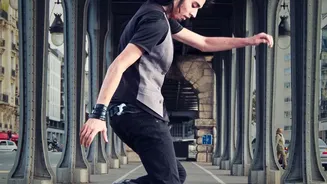
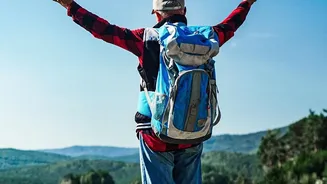

Thinking of picking up a new activity? The choice between lacing up hiking boots and stepping on a skateboard is more than just a preference for trails or concrete. It’s a choice between two profoundly different philosophies of learning and progress.
The First Step vs. The First Fall
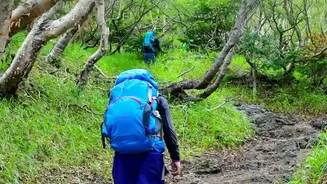
The barrier to entry for hiking is beautifully low. If you can walk, you can hike. Your first 'hike' might just be a long walk on an unpaved trail in a local park. The initial learning curve is gentle, focused on building stamina and getting comfortable with uneven terrain. The primary challenges are logistical: choosing the right trail, wearing appropriate shoes to avoid blisters, and carrying enough water. Skateboarding, on the other hand, presents an immediate and steep physical challenge. Just standing on the board without it shooting out from under you is the first skill to master. Balancing, pushing, and turning are all hurdles that require practice and can lead to a few scrapes. The first hour of skateboarding for a complete beginner is often a lesson in humility and the importance of protective gear.
The Pace of Progress
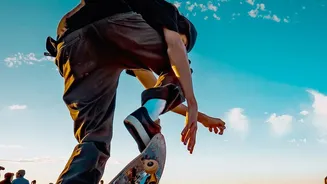
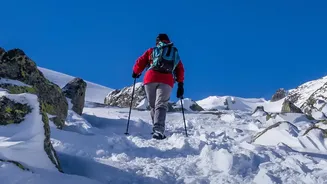
Progress in hiking is typically linear and incremental. You gradually increase your mileage, tackle steeper elevation gains, and learn to navigate more rugged landscapes. Each hike builds upon the last, steadily improving your cardiovascular fitness and leg strength. The sense of accomplishment is consistent; finishing a longer or tougher trail provides a clear measure of your growth. Skateboarding progression happens in bursts. A beginner might spend weeks just getting comfortable cruising around. Learning a new trick, like an ollie (the fundamental jump), can feel impossible for days or weeks, marked by hundreds of failed attempts. Then, suddenly, it clicks. Progress isn't a steady climb but a series of frustrating plateaus followed by exhilarating breakthroughs.
The Mental Game
The mental state required for each activity differs significantly. Hiking is often a meditative experience. It's about endurance, pacing yourself over long distances, and being present in nature. Many find it reduces stress and overthinking by allowing the mind to wander and connect with the surroundings. The challenges are primarily about pushing through physical fatigue and maintaining focus on navigation. The mental game of skateboarding is one of resilience and intense focus in short, explosive bursts. It requires you to overcome the fear of falling, which can be a major mental block for beginners. Every new trick demands repetition and a willingness to embrace failure as part of the process. This builds a unique kind of mental toughness centered on bouncing back from constant, small defeats to achieve a single, rewarding success.
Risk, Reward, and Community
While both activities carry risks, their nature is quite different. In hiking, the risks are often environmental—a twisted ankle on a root, getting caught in bad weather, or underestimating a trail's difficulty. The rewards are often tied to the journey and the destination: a stunning viewpoint, a sense of solitude, or a shared experience with friends. Skateboarding injuries are almost a given and are typically caused by impact from falling, such as sprains and fractures. The reward is intensely personal and skill-based: the feeling of finally landing a trick you've battled for, the freedom of movement, and the creativity of stringing together a line of maneuvers. Hiking can be a solitary or a communal activity, while skateboarding has a strong, visible subculture centered around skateparks and street spots, often fostering a sense of shared identity and mentorship.