

A Tradition Beyond the Thread
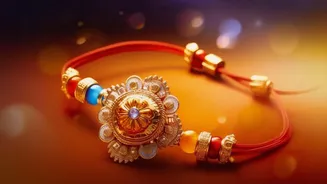
Raksha Bandhan is a cornerstone of Indian culture, a day that reaffirms the protective and loving bond between siblings. The rakhi, a simple sacred thread, is at the heart of this festival. It’s a symbol of a sister’s prayers for her brother’s well-being
and a brother’s vow to protect her. For generations, this thread has been a physical embodiment of an emotional promise. But in recent years, a growing environmental consciousness has led many to question the materials used in mass-produced rakhis. Often made with plastic beads, synthetic fibres, and non-biodegradable glitter, millions of these rakhis end up in landfills, creating waste that clashes with the festival's pure intentions. This has sparked a quiet but powerful movement towards more meaningful and sustainable alternatives.
The Return to Artisanal Roots
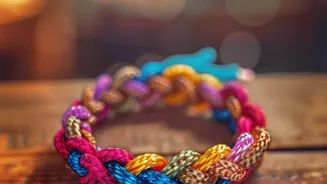
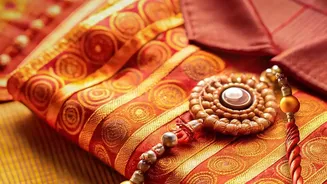
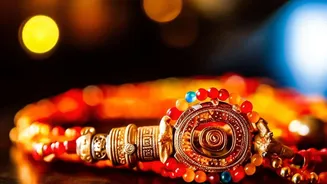
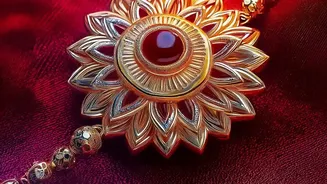
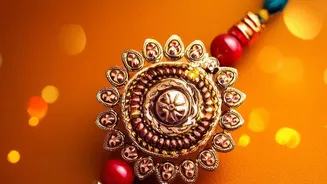
Enter the seed bead rakhi, a perfect blend of heritage and mindful living. Beadwork is an ancient and intricate craft in India, with a rich history stretching across various communities. Artisans have long used natural materials—including glass, wood, clay, and even seeds—to create stunning jewelry and decorative items. These skills, passed down through generations, are now finding a renewed purpose. Instead of plastic, artisans are using beads made from materials like tulsi, sandalwood, or terracotta, strung on hand-spun organic cotton threads. This revival not only brings back traditional aesthetics but also honours the meticulous craftsmanship that defines Indian artistry. Each hand-carved bead and carefully tied knot tells a story of skill and dedication.
Crafted for Conscious Living
The appeal of a seed bead rakhi goes far beyond its appearance. It represents a conscious choice towards sustainability. Many of these rakhis are fully biodegradable, designed to return to the earth without causing harm. The threads are often made from organic cotton or jute, and coloured with natural dyes like turmeric or marigold. Some of the most innovative designs are 'plantable' rakhis. These contain seeds of herbs, flowers, or vegetables embedded within the central motif, which is often made of recycled paper pulp. After the festival, instead of being discarded, the rakhi can be planted in a pot of soil. As it sprouts and grows, it becomes a living symbol of the sibling bond, flourishing with care and attention—a powerful metaphor for the relationship itself.
More Than a Rakhi, It’s a Livelihood
Choosing a handcrafted seed bead rakhi is also an act of social responsibility. The growing demand for these eco-friendly options provides a vital source of income for rural artisans and community-led initiatives across the country. Many of these rakhis are made by women’s self-help groups and local craftspeople, who combine traditional skills with contemporary, sustainable designs. By purchasing their work, consumers directly support these communities, helping to preserve traditional crafts and empower artisans economically. Organisations like the Gram Art Project have created a complete ecosystem, from growing indigenous cotton to using natural dyes and employing women to craft the final product, ensuring the entire process is socially and environmentally beneficial.
Making a Meaningful Choice This Year
As you celebrate Raksha Bandhan, the rakhi you choose can be a reflection of your values. Opting for a seed bead rakhi is a small gesture with a significant impact. It’s a vote for sustainability over waste, for artisanal skill over mass production, and for community empowerment over commercialism. When you look for one, check for natural materials like cotton or jute threads, and beads made from wood, clay, or seeds. Ask if the packaging is plastic-free. By choosing a rakhi that tells a story of tradition, sustainability, and care, you are not just tying a thread; you are strengthening a connection to your culture, your community, and the planet.