


As grocery bills climb, many plant-based eaters are seeking affordable, whole-food alternatives to pricey meat substitutes. Enter the banana flower, a large, tear-drop shaped bloom that has been a staple in Asian cuisine for centuries.
What Exactly Is a Banana Flower?
Also known as a banana
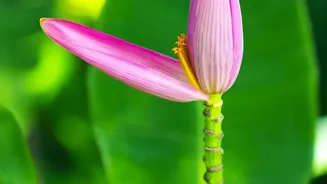
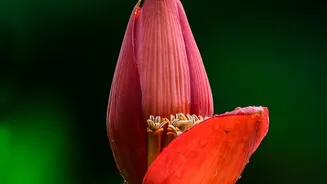
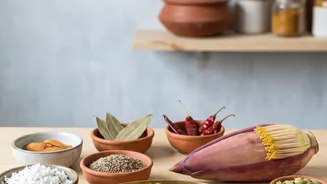
blossom or banana heart, this is the large, purplish flower that grows at the end of a banana fruit cluster. Found throughout South and Southeast Asia, it’s a traditional ingredient in the cuisines of India, Thailand, the Philippines, and more. While related to the sweet fruit we know and love, the flower itself has a neutral, slightly nutty flavour, sometimes compared to an artichoke. Its most celebrated quality is its texture; when cooked, it becomes tender and flaky, making it an incredibly versatile base for savoury dishes. Long before it became a trendy meat alternative, it was used in curries, stir-fries, and salads.
The Budget-Friendly Whole Food
A major draw for home cooks is the price. A fresh banana flower often costs just a few dollars, and canned versions are similarly inexpensive, making them significantly cheaper than many popular packaged meat substitutes. This positions the banana blossom not just as a novelty, but as a practical, wallet-friendly staple. It offers a return to using whole ingredients rather than relying on highly processed products. While many modern meat alternatives are engineered for taste and texture, the banana flower provides it naturally, straight from the plant. This appeals to those looking to clean up their diet and reduce their intake of additives and preservatives.
Flavour, Texture, and Nutrition
The magic of banana flower lies in its adaptability. Its mild taste allows it to absorb the flavours of marinades, spices, and sauces beautifully. This makes it a perfect canvas for a wide range of dishes. Nutritionally, it's a powerhouse of fibre, which is great for digestive health. It also provides essential minerals like potassium, magnesium, and iron. However, it's important to note that while it mimics the texture of meat, it is not a high-protein food. A 100g serving contains only around 1.6g of protein, so it should be paired with other protein sources like beans or lentils for a balanced meal.
How to Prepare Banana Flower
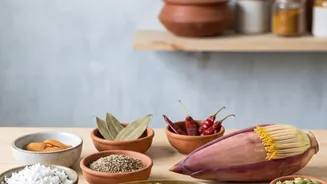
Working with banana flower might seem intimidating, but it's straightforward once you know the steps. Canned banana blossom is the easiest option—it comes ready to use in brine, just needing a quick rinse. A fresh flower requires a bit more prep. You'll need to peel away the tough, dark outer leaves (bracts) to get to the tender, pale heart inside. Underneath each bract, you'll find rows of small florets; the inedible, matchstick-like pistil and a small, scaly petal should be removed from each. As you cut the flower, it will release a sticky sap and begin to oxidise, so it's crucial to immediately submerge the chopped pieces in a bowl of acidulated water (water with lemon juice or vinegar) to prevent them from browning.
From 'Fish' Tacos to Traditional Curries
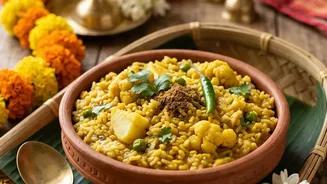
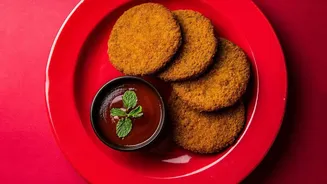
Once prepped, the culinary possibilities are vast. In the West, its flaky texture has made it a star substitute for fish. Many popular recipes involve battering and frying chunks of banana blossom to create a plant-based version of 'fish' and chips or crispy 'fish' tacos. It also works wonderfully as a stand-in for pulled pork or shredded chicken in sandwiches and burgers due to its stringy consistency when cooked and pulled apart. In its native cuisines, it's the heart of many beloved dishes. In India, it's used to make 'vazhaipoo poriyal' (a South Indian stir-fry with coconut) or flavourful fritters known as 'vada'. In the Philippines, it's a key component of 'kare-kare', a rich stew. Whether you're trying a traditional recipe or a modern vegan creation, the banana flower proves to be an exciting and economical addition to any kitchen.