

Earth's Hellish Sister Planet
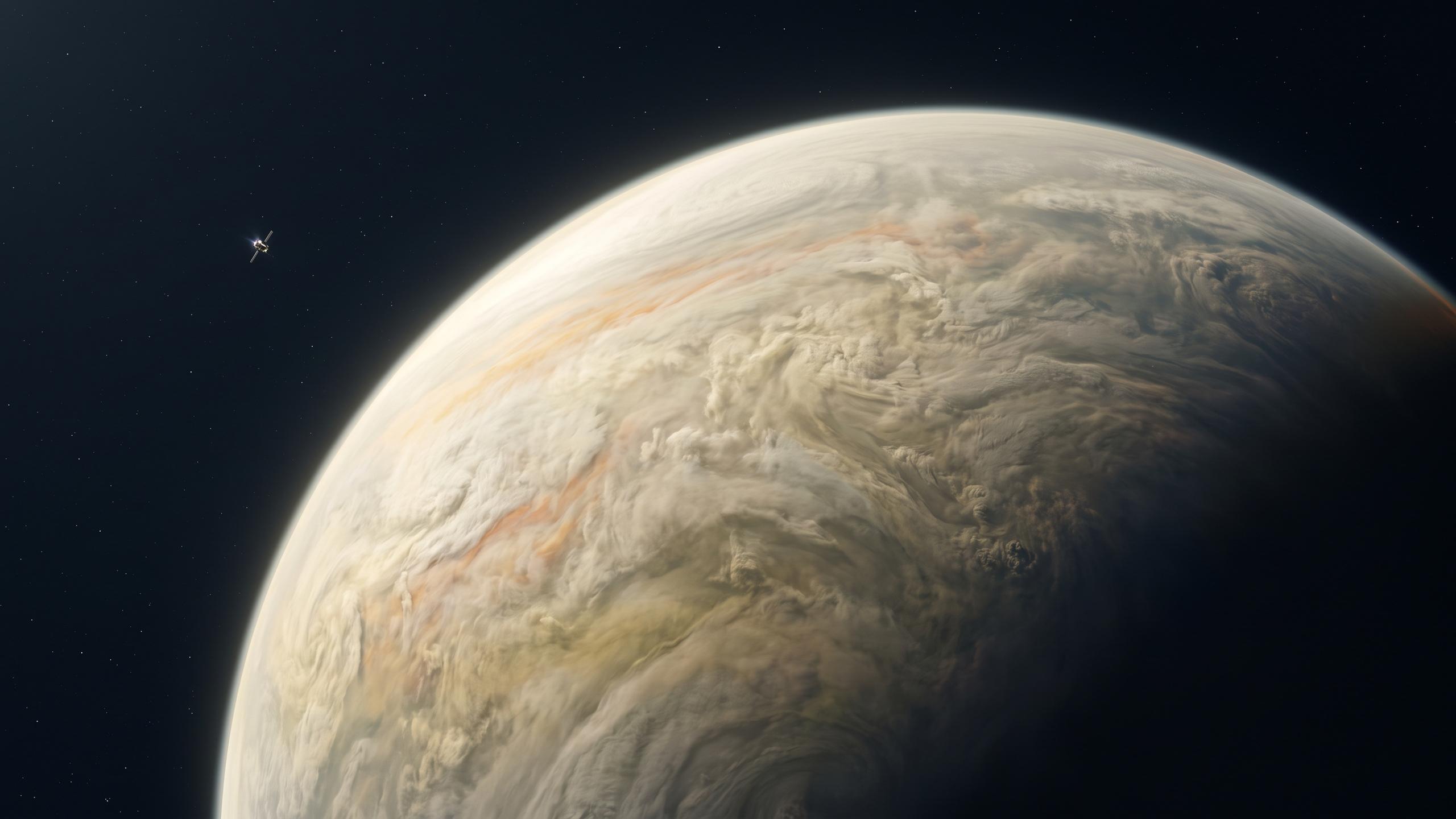
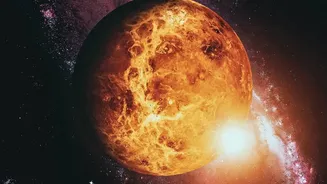
Venus and Earth are cosmic siblings, nearly identical in size, mass, and composition. Yet, their paths diverged dramatically. While Earth became a cradle for life, Venus devolved into the most inhospitable planet in the solar system. Its surface temperature
hovers around 475 degrees Celsius, hot enough to melt lead, and the atmospheric pressure is over 90 times that of Earth's. This hellscape is shrouded in thick clouds of sulfuric acid and its atmosphere is overwhelmingly composed of carbon dioxide, creating a runaway greenhouse effect that permanently traps heat. It’s a cautionary tale of planetary evolution, showing how a world so like our own could end up so catastrophically different.
ISRO’s Ambitious Venusian Voyage
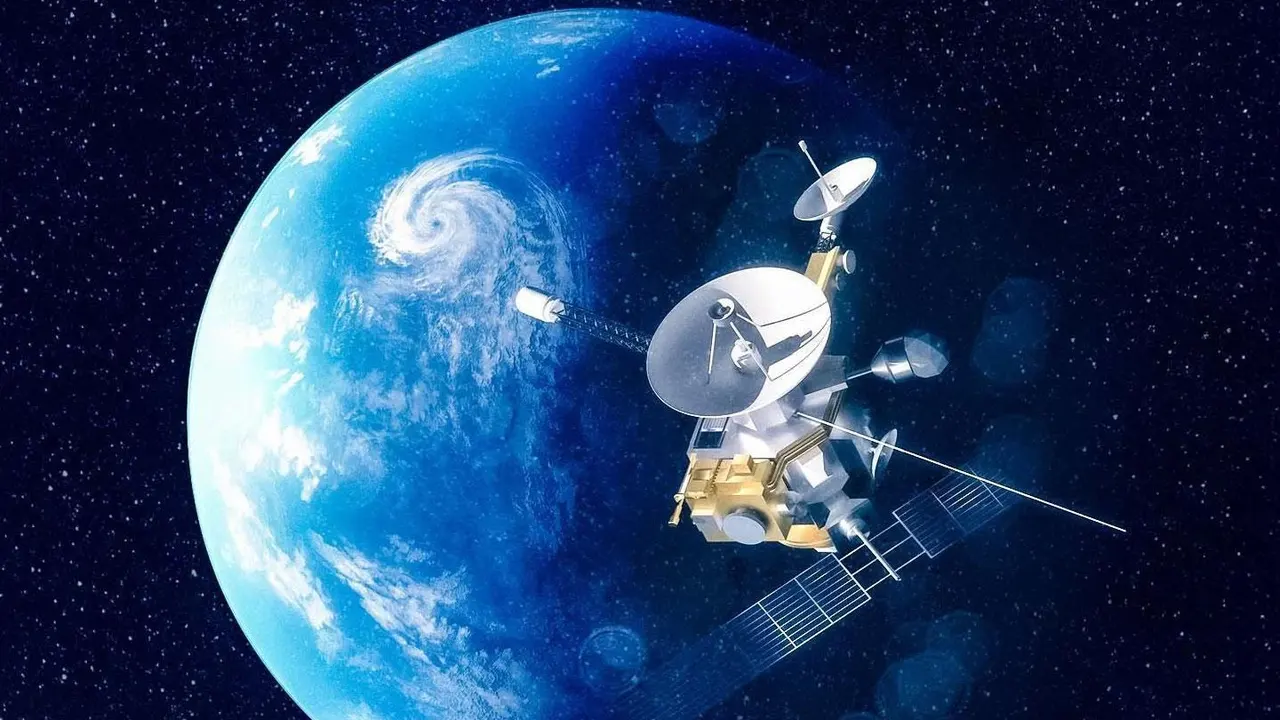
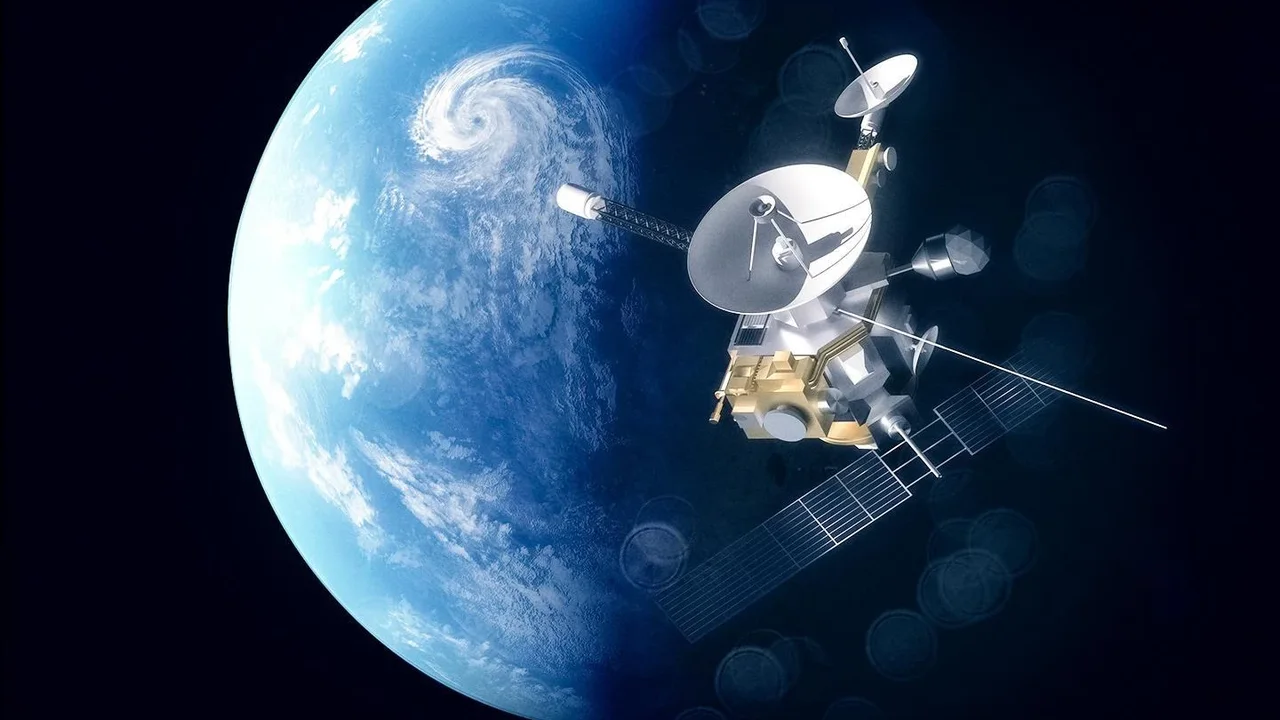
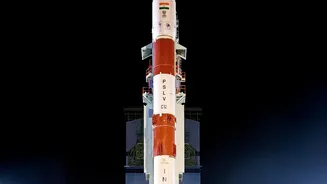
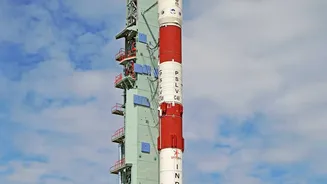
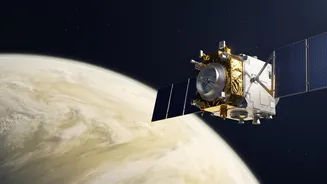
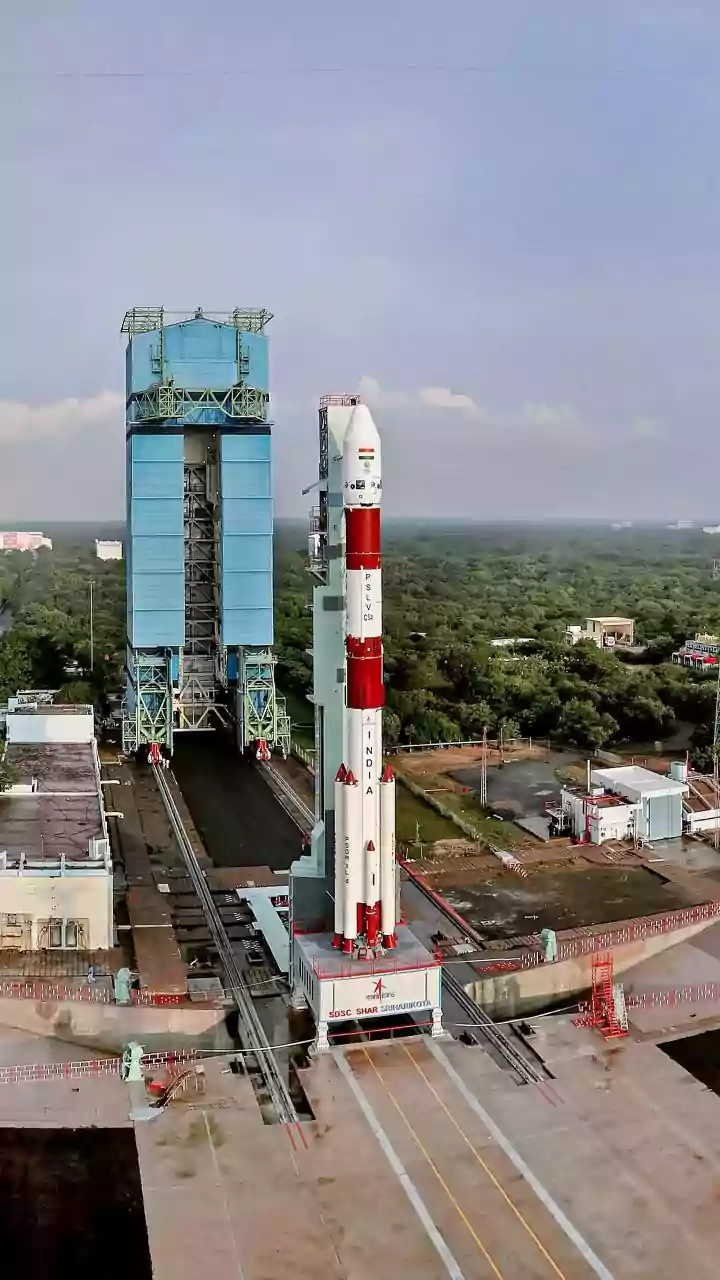
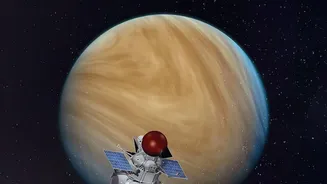
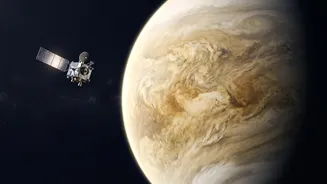
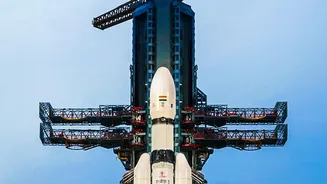
Following its celebrated missions to the Moon and Mars, the Indian Space Research Organisation (ISRO) is now targeting Venus. The Shukrayaan mission, approved by the government in 2024, is slated for a March 2028 launch aboard the powerful LVM-3 rocket. This orbiter represents a major leap for India's interplanetary ambitions. The mission's primary goals are to study Venus in unprecedented detail, investigating everything from its mysterious surface and subsurface geology to the complex chemistry of its atmosphere and its interaction with solar winds. After a journey of just over 100 days, the spacecraft will enter a highly elliptical orbit, which will be gradually lowered using aerobraking to get a closer look at our planetary neighbour.
Unpacking a Runaway Greenhouse Effect
The central mystery Shukrayaan aims to solve is how Venus’s greenhouse effect spiralled out of control. Scientists believe Venus may have once hosted liquid water oceans, much like early Earth. However, being closer to the Sun, its water began to evaporate. This water vapor, a potent greenhouse gas, trapped more heat, causing more water to evaporate in a devastating feedback loop. Eventually, the oceans boiled away, and solar radiation broke the water vapor down, allowing hydrogen to escape into space. The remaining atmosphere became thick with carbon dioxide, possibly released from extensive volcanic activity, creating the inferno we see today. Shukrayaan will provide a natural laboratory to study this process, helping us understand the tipping points in a planet's climate system.
A Scientific Toolkit for a Hostile World
To peer beneath Venus's thick cloud cover, Shukrayaan will be equipped with a suite of sophisticated instruments. The flagship payload is a high-resolution Synthetic Aperture Radar (SAR), which can map the surface regardless of the perpetual cloudiness. Another groundbreaking instrument is a ground-penetrating radar, which will be the first of its kind to map Venus's subsurface geology. The mission will also feature international collaboration, carrying payloads from European agencies to study atmospheric chemistry and the planet's interaction with the solar wind. These tools will provide a comprehensive look at Venus’s volcanic activity, atmospheric composition, and wind patterns, giving us the most detailed picture yet of this enigmatic world.
Critical Lessons for a Warming Earth
Studying Venus isn't just about understanding another planet; it's about understanding Earth. Venus serves as a stark warning of how dramatically a planet's climate can change. By analyzing the dynamics of its extreme greenhouse effect, scientists can refine the climate models we use to predict Earth's future. Understanding why Venus's evolution was so different from Earth's provides crucial data points on atmospheric stability, the role of greenhouse gases, and the fragility of a habitable environment. In essence, exploring the history of our 'evil twin' offers invaluable insights that could help us better protect our own home.