




A Different Kind of Paradise
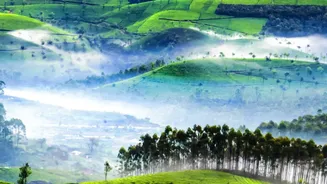
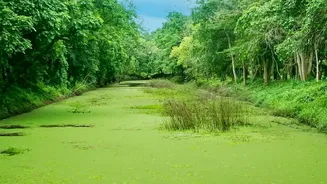
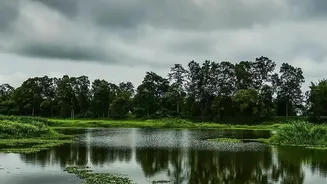
Forget the peak-season rush for jeep safaris. Monsoon travel in Assam offers a different, more intimate connection with nature. From June to September, the state transforms into a vibrant green paradise. The heavy rains rejuvenate the landscape, turning
endless tea estates into shimmering carpets of green and swelling the mighty Brahmaputra River. While core zones of major wildlife sanctuaries like Kaziranga and Manas are often closed due to waterlogging, the fringe areas and other destinations come alive. This season is not for those in a hurry; it encourages a slower pace, where the main activity might be watching clouds roll over misty hills in Haflong or listening to the rhythm of the rain from a riverside cafe in Guwahati.
The Rise of the Conscious Traveller
The growing appeal of monsoon travel is closely linked to a shift towards more responsible tourism. Eco-conscious visitors are discovering that the 'off-season' provides an opportunity to experience Assam more authentically while leaving a lighter footprint. This means swapping crowded hotels for community-run homestays, where travellers can engage with local families and contribute directly to their livelihoods. The focus shifts from ticking off a checklist of sights to meaningful engagement. This could involve learning about the silk weaving traditions in villages like Sualkuchi, taking a cooking class using seasonal ingredients, or joining a guided trek through rain-washed forests. Government initiatives like the Assam Tourism Policy 2022 are also encouraging this trend by providing incentives for sustainable and green tourism projects.
Where to Experience the Magic
Several destinations in Assam offer unique monsoon experiences. Majuli, the world's largest river island, becomes a lush, tranquil paradise, perfect for experiencing the state's unique Sattriya culture. Haflong, the state's only major hill station, is at its misty best, with waterfalls appearing on hidden slopes. For history buffs, the Ahom-era monuments of Sivasagar, reflected in the full reservoirs, offer a mystical sight. While the most famous parks are inaccessible, Dibru-Saikhowa National Park remains open year-round and offers incredible boat safaris through its wetland ecosystem. Pobitora Wildlife Sanctuary, known for its dense rhino population, also provides wildlife encounters in its vibrant monsoon landscape. Even the gateway city of Guwahati takes on a soulful charm, with the Kamakhya Temple feeling especially mystical against grey skies.
A Sustainable Path Forward
This burgeoning trend of monsoon tourism offers significant benefits for Assam. It helps distribute tourist flow more evenly throughout the year, reducing the pressure on popular spots during the peak winter season and providing a more stable income for local communities. Community-based tourism initiatives, such as the 'Amar Aalohi' homestay scheme, are empowering local residents to become stakeholders in the tourism economy. However, this growth must be managed carefully. The very appeal of the monsoon—its pristine nature—is fragile. Sustainable practices, such as waste management, promoting locally made goods, and respecting local culture, are crucial to ensure that Assam's monsoon magic can be enjoyed by future generations without harming the environment or the communities that call it home.