


Plan Ahead, Stay Flexible
Spontaneity is a traveller’s friend, but the monsoon demands careful planning. Before you book anything, thoroughly check the weather forecasts for your chosen destination. The India Meteorological Department (IMD) issues regular district-level alerts
that are crucial for hill travel. Heavy rainfall can lead to road closures and travel disruptions, so it's wise to build buffer days into your itinerary. This extra time can prevent the stress of missed flights or cancelled bookings if you get delayed by a landslide or roadblock. Also, opt for hotels with flexible cancellation policies; the weather might force you to alter your plans at the last minute. Sharing your detailed itinerary with family or friends is a simple but vital safety step.
Pack Smart for Damp Conditions
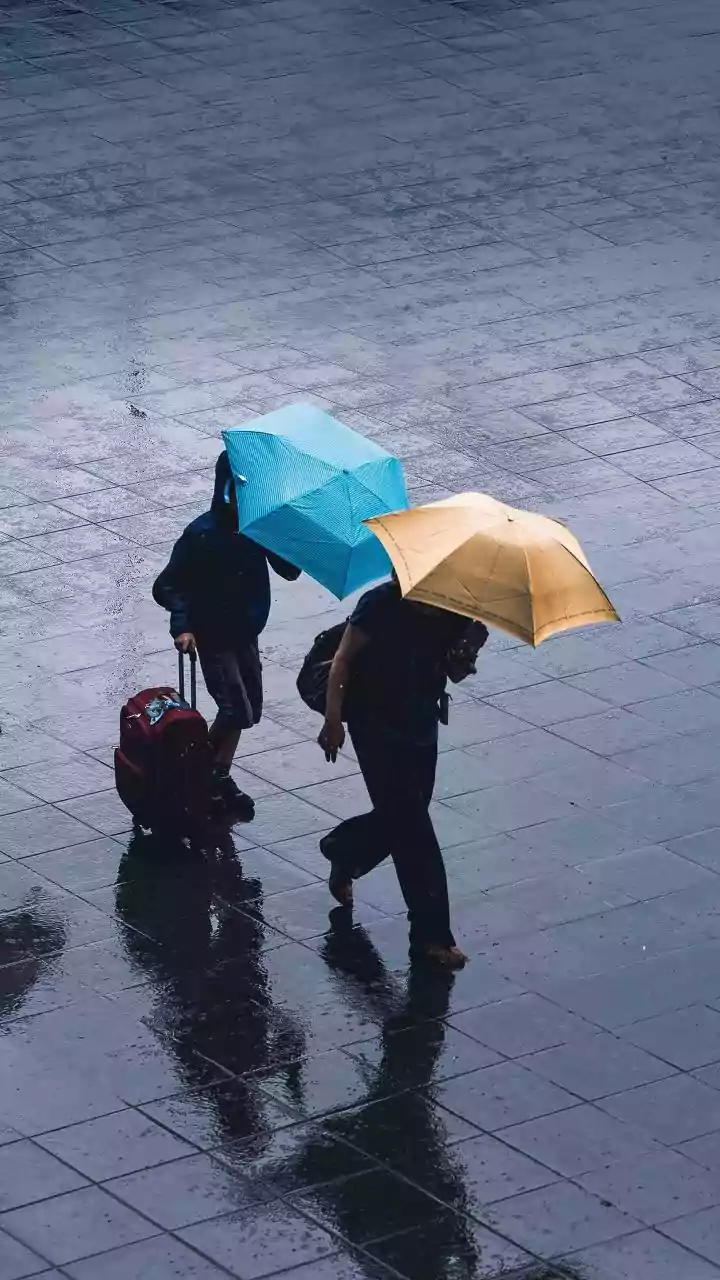
Packing for a monsoon hill trip is about staying dry and comfortable. Prioritize synthetic, quick-dry clothing over cotton, which stays wet and heavy. A lightweight, waterproof rain jacket or poncho is non-negotiable and often better than an umbrella in windy conditions. Your footwear can make or break your trip; invest in waterproof shoes or sandals with excellent grip to navigate slippery paths. It’s also smart to carry a spare pair of shoes. Protecting your electronics is crucial, as power cuts can be common. Use waterproof pouches for your phone and chargers, and always carry a fully charged power bank. A waterproof cover for your backpack will keep all your belongings dry.
Navigate Roads with Extreme Caution
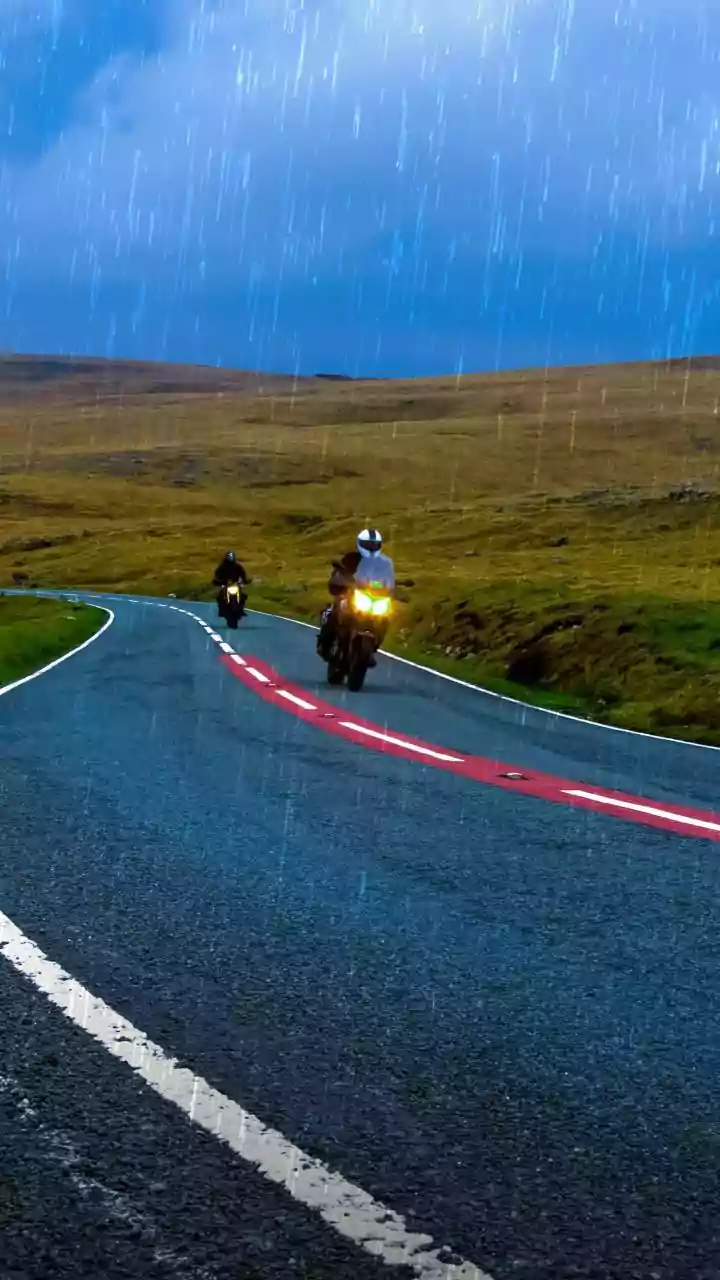
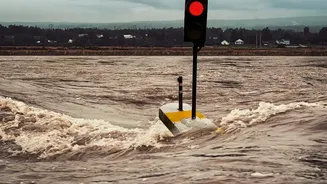
Hill roads during the monsoon are notoriously treacherous. If you’re driving, ensure your vehicle's tyres, brakes, and wipers are in top condition. The most important rule is to drive slowly and maintain a safe distance from the vehicle ahead, as braking distances increase significantly on wet surfaces. Avoid using cruise control, which can be dangerous when hydroplaning. Driving at night is strongly discouraged due to poor visibility from rain and fog, coupled with the increased risk of falling debris. It is often safer to hire an experienced local driver who understands the terrain and its moods. If you encounter a flooded road, do not attempt to cross it. Always be prepared for long traffic jams by keeping your fuel tank topped up and having snacks and water in the car.
Be Alert to Landslide Risks
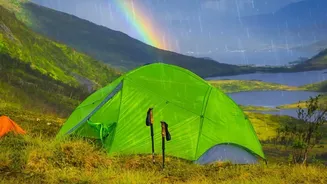
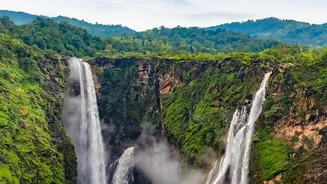
Landslides are the most significant danger when travelling in the hills during the monsoon. Heavy, short bursts of intense rain, which are becoming more frequent, can saturate slopes and trigger these events. While modern early warning systems are improving, it is vital to stay informed through local news and authorities. Avoid trekking or setting up camp near rivers or streams during heavy rainfall warnings. Locals are your best source of real-time information; before heading out on a hike or exploring an unknown path, ask them about safe routes. Stick to main roads and avoid taking unexplored shortcuts, which can be unstable and dangerous. Never stand near overflowing rivers or restricted waterfalls, as water levels can rise with frightening speed.
Prioritise Health and Hygiene
The monsoon brings a higher risk of water-borne and mosquito-borne illnesses. To stay healthy, avoid street food, especially raw items like salads, and drink only bottled, boiled, or purified water. Contamination risks are high, so stick to freshly prepared hot meals from reliable restaurants. Carry a basic first-aid kit with essentials like antiseptic cream, bandages, rehydration salts, and any personal medications. Mosquito repellent is a must, as the damp conditions are a breeding ground for insects. Wearing full-sleeved clothing can offer protection. Fungal infections are also common, so keeping your feet dry whenever possible is important.