
1. Dubrovnik's Old Town in Peak Season
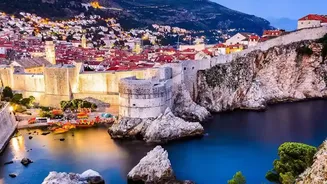
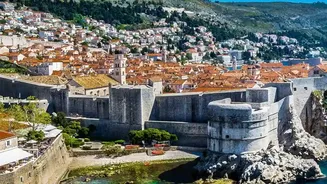
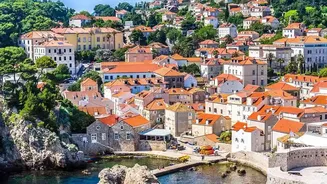
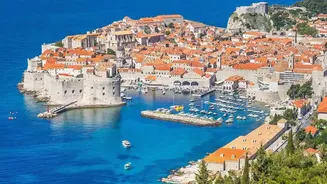
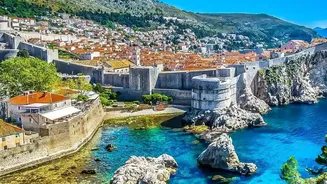
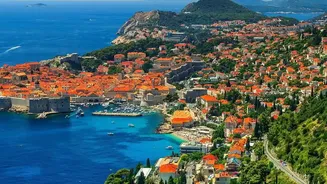
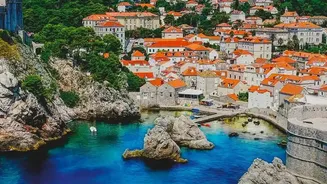
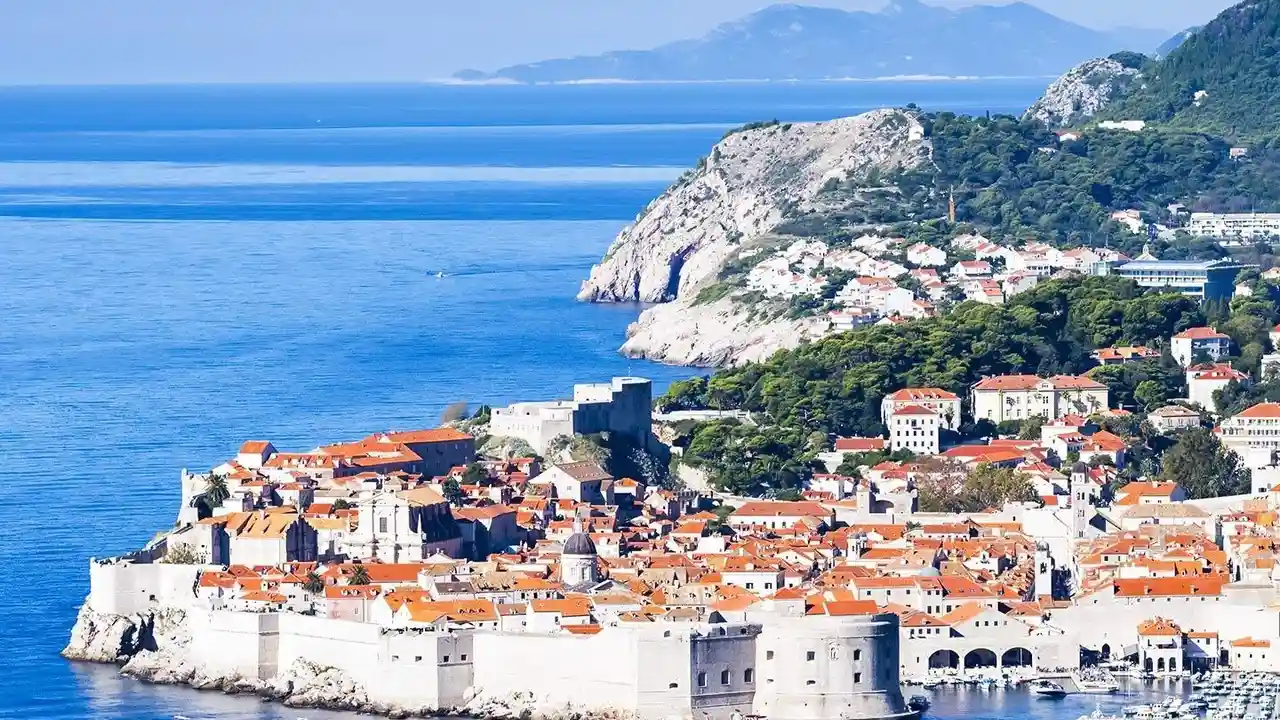
Dubrovnik's medieval walls and marble streets are breathtaking, but visiting midday in July or August can feel like being in a human traffic jam. The 'Pearl of the Adriatic' often struggles under the weight of thousands of daily visitors, especially when
multiple cruise ships dock. The narrow lanes become almost impassable, and the magic is easily lost in a sea of selfie sticks. It has even been ranked as one of the most overcrowded destinations. Instead, try Šibenik. This coastal city boasts its own UNESCO World Heritage site, the stunning Cathedral of St. James, and a beautiful, less-crowded old town. You get the same historic Dalmatian charm, winding stone alleys, and seaside ambiance with a fraction of the tourist intensity. Alternatively, visit Dubrovnik in the early morning or late evening to see the city in a calmer light.
2. Hvar Town's Party Scene
Hvar has a reputation as Croatia's premier party island, and Hvar Town is its epicentre. This comes with a hefty price tag, as accommodation and nightlife can be extremely expensive compared to other islands. While the island itself is gorgeous, if you're not there for the high-priced club scene, the main town can feel overwhelming and commercialised. For a more authentic island experience, consider Vis. As a former military base, it was closed to foreigners until 1989, which preserved its untouched charm. Vis offers stunning natural beauty, including the famous Stiniva Cove, a more relaxed atmosphere, and a glimpse of traditional fishing village life that Hvar Town lost years ago. You'll find tranquility and unspoiled nature without the glamorous price tag.
3. Plitvice Lakes National Park in Summer
There's no denying the extraordinary beauty of Plitvice's 16 interconnected, cascading lakes. However, its fame is also its biggest problem. In peak summer, the narrow wooden boardwalks become incredibly congested, turning a serene walk in nature into a frustrating shuffle. High entrance fees of over €40 per person during this time can also be a drawback for many. As an alternative, explore Krka National Park. While still popular, it often feels less congested than Plitvice and has the added bonus of allowing swimming in designated areas, which is prohibited in Plitvice. For an even quieter experience, consider Mljet National Park, a lush green island with two saltwater lakes you can swim or kayak in, offering a peaceful escape.
4. Split's Diocletian's Palace at Midday
Split's main attraction is a living monument: a 4th-century Roman palace that forms the core of the Old Town. It's a historical marvel, but when cruise ships unload, the central Peristyle and narrow passages become a bottleneck of tour groups. The experience can feel more like navigating a crowded market than exploring an ancient wonder, with tourist-focused shops and restaurants dominating the area. For a similar vibe with more breathing room, visit the historic centre of Trogir. Just a short trip from Split, this charming island town is also a UNESCO World Heritage site, packed with Romanesque and Renaissance architecture but with a more relaxed feel. You can explore its beautiful cathedral and wander its maze-like streets without the intense congestion of Split's palace core during peak hours.
5. The Famous Beach of Zlatni Rat
Zlatni Rat, the 'Golden Horn' on the island of Brač, is one of Croatia's most iconic images. This unique, horn-shaped pebble beach is certainly beautiful, but it's also packed from end to end during summer. The quest for a spot on this famous strip of land can detract from the relaxing beach day you might be imagining. Instead of fighting for a towel-sized space, seek out the countless other stunning beaches Croatia has to offer. Consider the secluded coves on the Pelješac Peninsula or the breathtaking Stiniva beach on Vis, often voted one of Europe's best. Or explore the Elaphiti Islands near Dubrovnik, where you can find quieter, car-free islands like Lopud, home to the lovely sandy Šunj beach.