








Aligning With Your Body's Internal Clock
Our bodies run on an internal 24-hour cycle known as the circadian rhythm, which governs everything from sleep to hormone production. This internal clock also dictates the efficiency of our digestive system. The emerging field of chrononutrition studies
how the timing of our meals impacts our metabolic health. Scientific evidence shows that our metabolism and digestive processes are at their peak during the midday hours. Eating our largest meal at this time works with our body's natural programming, allowing for more efficient nutrient absorption and energy conversion. Conversely, our digestive system slows down in the evening as the body prepares for rest and repair. A heavy late-night dinner can disrupt this process, leading to digestive discomfort and potentially interfering with sleep quality.
Ancient Wisdom Meets Modern Science
This modern scientific understanding echoes centuries-old wisdom from traditions like Ayurveda. In Ayurveda, the concept of 'Agni' refers to the digestive fire, which is believed to be the source of our health and vitality. This digestive fire is considered strongest around noon, when the sun is at its highest point. Ayurvedic practice has long advocated for making lunch the main meal of the day to align with this peak digestive power, followed by a lighter, easily digestible dinner. This synchronicity allows the body to fully break down and assimilate nutrients, preventing the build-up of undigested food, or 'ama' (toxins), which is considered a root cause of many ailments in Ayurveda. By front-loading our calories, we are essentially giving our digestive system the fuel it needs when the furnace is burning hottest.
The Gut Health Advantage for Professionals
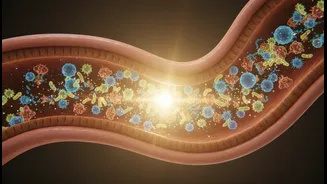
For busy professionals, the benefits of this shift can be transformative. A substantial, nutrient-dense lunch can lead to more stable blood sugar levels and sustained energy throughout the afternoon, preventing the dreaded post-lunch slump. Improved digestion during the day can mean less bloating, gas, and acid reflux in the evening. A lighter dinner, in turn, supports better sleep, as the body isn’t working overtime on digestion when it should be resting and regenerating. Quality sleep is crucial for cognitive function, mood regulation, and managing stress—all vital for professional performance. Furthermore, a well-regulated eating schedule that aligns with our circadian rhythm supports a healthy and diverse gut microbiome, the community of beneficial bacteria in our digestive tract that influences everything from immunity to mental health.
Making the Midday Meal a Priority
Adopting this change doesn't have to be drastic. Start by gradually increasing the size and nutritional value of your lunch while making your dinner smaller and lighter. Plan ahead by packing a balanced lunch that includes lean protein, complex carbohydrates, healthy fats, and plenty of vegetables. This prevents you from grabbing something quick and unsatisfying. For dinner, opt for simple, easily digestible meals like soups, steamed vegetables, or a small portion of lean protein. It's also important to be mindful of your eating environment. Step away from your desk, eat slowly, and focus on your food to aid digestion. While office culture or a long commute might present challenges, even small shifts can make a significant difference. Try implementing this new routine a few days a week and notice how your body responds.