


MS Dhoni
Mahendra Singh Dhoni’s legend is built on a foundation of sharp instinct and unconventional tactics. His captaincy was an art form, marked by baffling field placements that produced wickets, unexpected bowling changes that broke partnerships, and a zen-like
calm under pressure that unnerved opponents. He read the game moments ahead of everyone else, whether it was promoting himself up the order in the 2011 World Cup final or trusting a lesser-known bowler with the final over. Dhoni's genius was in his ability to make high-stakes gambles look like calculated masterstrokes.
Shane Warne
The Australian leg-spinner was a master of psychological warfare. Warne didn't just bowl a cricket ball; he directed a theatrical performance with every delivery. He understood that the battle was won in the batsman's mind. Through subtle field adjustments, varying his run-up, and an immense repertoire of deliveries, he created an illusion of constant threat. His 'Ball of the Century' to Mike Gatting was not just a great delivery; it was a statement that cast a mental shadow over English batsmen for a decade. His accuracy and ability to plan a dismissal several overs in advance made him a true puppeteer on the pitch.
Mike Brearley
Often hailed as the sharpest mind to ever lead a cricket team, Mike Brearley's inclusion on this list is unique. By his own admission, he wasn't a world-class player, yet his captaincy record is phenomenal. Brearley had what was described as a 'degree in people'. His true genius lay in man-management and tactical intuition. He famously turned the 1981 Ashes series on its head after taking over the captaincy, transforming a struggling Ian Botham into an unstoppable force purely through psychological mastery and astute on-field decisions.
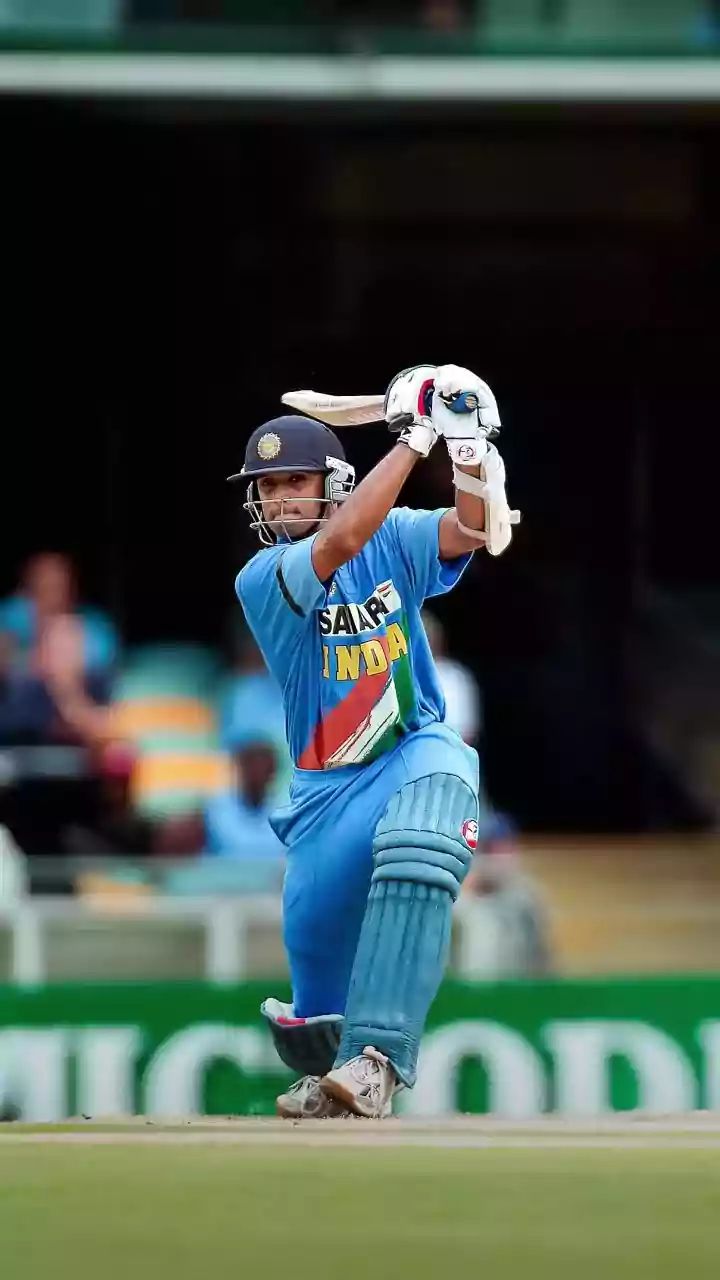
Rahul Dravid
Known as 'The Wall' for his impenetrable defence, Rahul Dravid's intelligence was rooted in immense game awareness and a meticulous, process-driven approach. Teammates and opponents alike speak of his ability to understand the flow of a match and what was required at any given moment. He was a selfless team man who would take on any role, from keeping wickets to opening the batting, because he understood the team's needs. His thinking went beyond his own batting; he offered nuanced advice on all aspects of the game, making him an invaluable asset and a cricketing intellectual.
Kumar Sangakkara
A qualified lawyer, Kumar Sangakkara brought an articulate and analytical mind to the game. His batting was a blend of elegance and calculated risk, but it was his astute cricketing brain that set him apart. As a captain, batsman, and keeper, he was constantly processing information, dissecting opposition plans, and managing the rhythm of the game. His intelligence is also evident off the field; he became the first non-British president of the MCC and is celebrated for his eloquence and deep understanding of cricket's place in the world.
Anil Kumble
Anil Kumble, an engineer by education, approached bowling like a complex problem to be solved. Unlike traditional leg-spinners, he didn't rely on massive turn. His genius was in his relentless accuracy, subtle variations in pace and bounce, and a lethal flipper. Nicknamed 'Jumbo' because his deliveries were as fast as a jumbo jet, Kumble out-thought batsmen by creating suffocating pressure. He reinvented himself throughout his career, adding new weapons to his arsenal and proving that intelligence and discipline could be just as potent as natural spin.
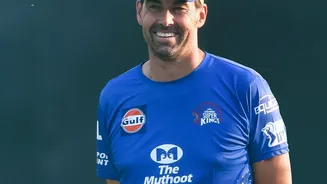
Stephen Fleming
As New Zealand's long-serving captain, Stephen Fleming was widely regarded as one of the game's most shrewd tacticians. He consistently got his team to punch above its weight on the international stage. His proactive and often innovative captaincy was a hallmark of his career. Fleming was a master of setting creative field placements and utilising his bowling resources to perfection, often turning matches on their head through clever, calculated decisions rather than relying on a star-studded lineup.
Sourav Ganguly
Sourav Ganguly's intelligence was transformative. Taking over the Indian captaincy during a tumultuous period, he used his aggressive and sharp cricketing mind to rebuild the team's identity. He was a master motivator who identified and backed young talent, creating a new, fearless generation of Indian cricketers. Ian Healy once called him the 'new Steve Waugh of mind games,' a nod to Ganguly's ability to get under the skin of the opposition and control the narrative of a match through sheer force of will and clever on-field manoeuvres.
R Ashwin
Ravichandran Ashwin is the modern-day cricketing scientist. An engineer with a deep passion for the game's intricacies, Ashwin is in a constant state of analysis and evolution. His YouTube channel, where he dissects game plans and techniques, offers a window into his brilliant mind. On the field, he is a relentless experimenter, constantly developing new deliveries and altering his angles and pace to exploit a batsman's weakness. His peers, including Rahul Dravid, have noted his exceptional game awareness, placing him among the sharpest thinkers in today's cricket.
Steve Waugh
Leading one of the most dominant teams in cricket history, Steve Waugh's intelligence was of a different kind. It was a cold, hard, psychological edge. He was the architect of 'mental disintegration,' a strategy designed to systematically dismantle the opposition's confidence. Waugh was a master of applying relentless pressure, whether through strategic sledging, uncompromising field settings, or his own legendary grit with the bat in tough situations. He knew exactly which buttons to press to create cracks in the opposition's armour.