

What is Fermentation?
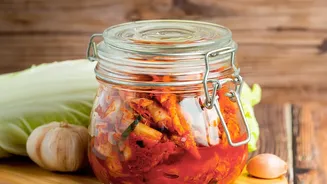
Fermentation is essentially a controlled process where we encourage beneficial microorganisms—like good bacteria and yeast—to transform our food. Think of it as hiring a team of microscopic chefs. These microbes break down sugars and starches in food,
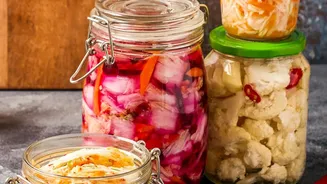
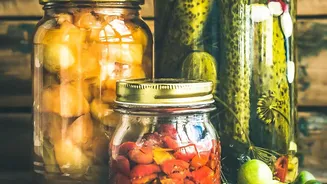
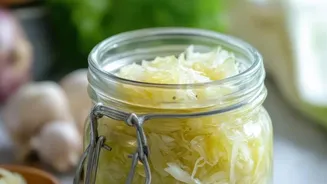
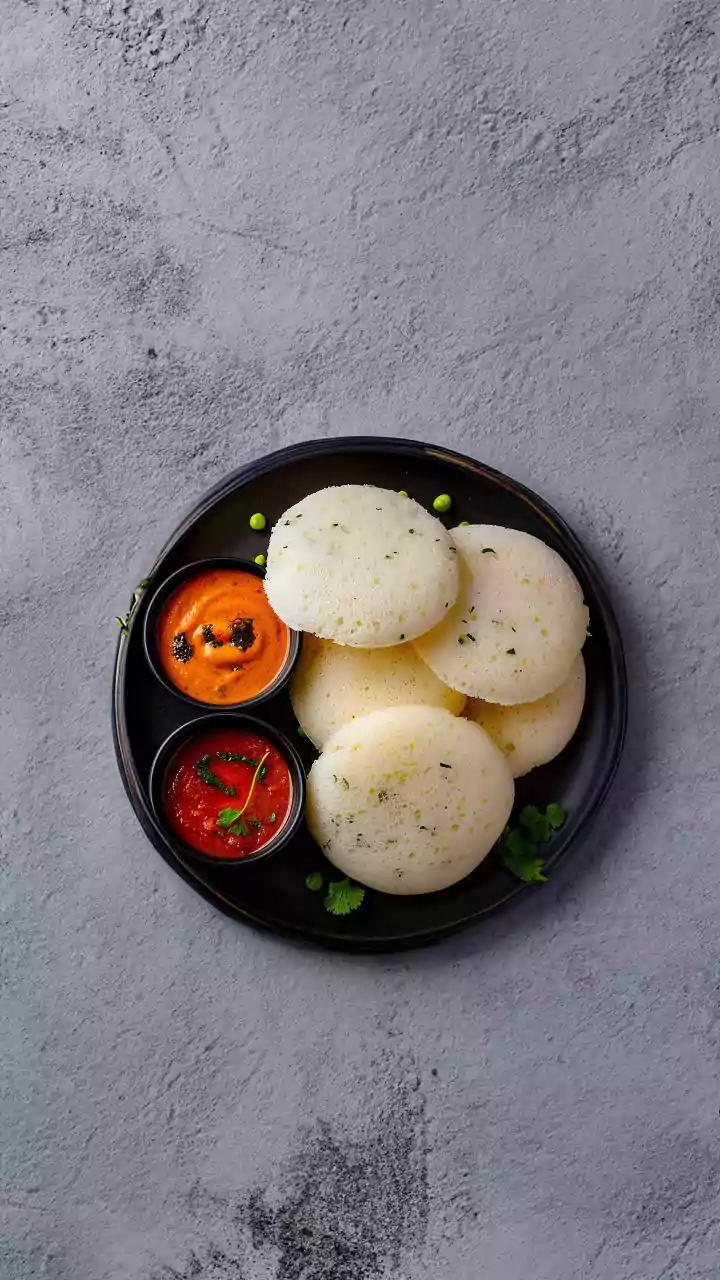
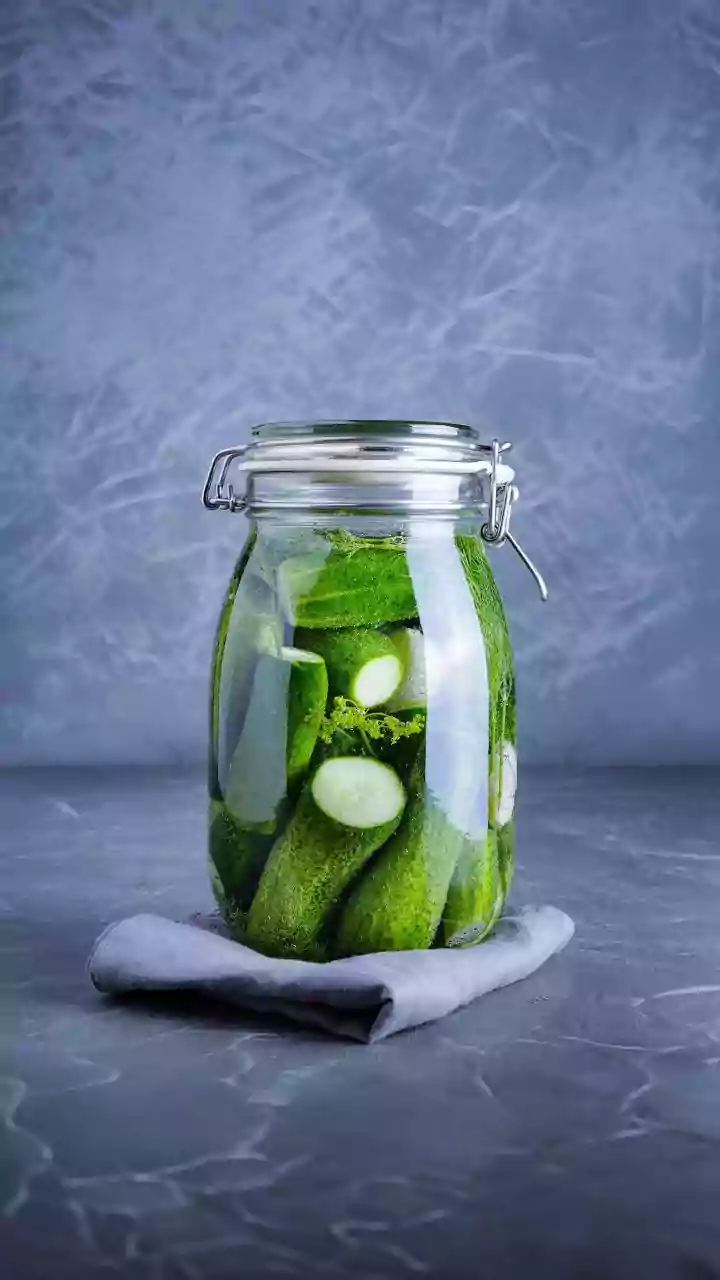
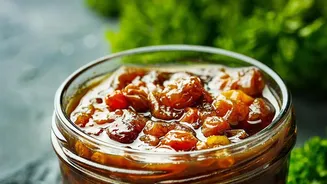
creating desirable byproducts like lactic acid, alcohol, and carbon dioxide. This process not only preserves the food but also enhances its flavour, improves its digestibility, and can even boost its nutritional value. It's the ancient magic behind South Indian staples like idli and dosa, where a batter of rice and dal is left to ferment, becoming light and airy. The same principle gives us tangy dahi (yogurt), flavourful pickles (achar), and countless other delicious foods that are staples in Indian cuisine and across the world.
And What is Food Spoilage?
Food spoilage, on the other hand, is an uncontrolled invasion. It’s what happens when undesirable or harmful microorganisms—bacteria, yeasts, and moulds—take over your food and break it down in a way that makes it unpalatable or unsafe to eat. These are the uninvited guests who trash the party. Instead of creating delicious flavours, they produce foul odours, slimy textures, and sometimes harmful toxins. Spoilage is a natural process of decomposition, driven by whatever microbes happen to be in the environment. This process is influenced by factors like temperature, moisture, and air exposure, which is why food left out in the 'danger zone' (between 4°C and 60°C) spoils quickly.
The Key Difference: Control and Intent
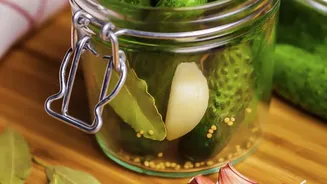
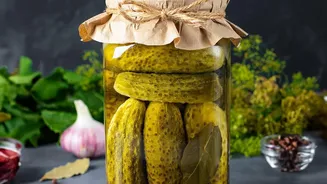
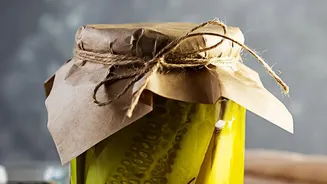
The single most important difference between fermentation and spoilage is control. Fermentation is deliberate; it is decomposition with a purpose. We create specific conditions to ensure the 'good' microbes win the race. For example, when making pickles, we add salt to the brine. This creates an environment where beneficial Lactobacillus bacteria can thrive, but many spoilage microbes cannot survive. By controlling factors like temperature, oxygen levels, and salt content, we guide the microbial process to a delicious and safe outcome. Spoilage is the exact opposite—it's uncontrolled chaos where any number of random, potentially harmful microbes run rampant. It’s the difference between a carefully cultivated garden and a patch of overgrown weeds.
Trust Your Senses: Telling Them Apart
So, how can you tell if that jar in your fridge is delightfully fermented or dangerously spoiled? The answer lies in trusting your senses, primarily your nose and eyes. Fermented foods typically have a clean, sharp, tangy, or pleasantly sour smell. Think of the fresh, acidic aroma of dahi or the yeasty scent of a rising bread dough. Spoilage, however, often produces repulsive odours—putrid, rotten, or foul smells that are a clear warning sign. Visually, fermentation can make brine cloudy and produce bubbles, which are normal signs of microbial activity. Spoilage, on the other hand, often announces itself with fuzzy, colourful mould (green, blue, black, or pink), a slimy texture, or unexpected changes in colour. A good rule of thumb passed down through generations is perhaps the most important: 'When in doubt, throw it out.' No food is worth the risk of foodborne illness.