

What is the exact heating system in the room?
A 'heated room' can mean anything from central heating that warms the entire space to a small, portable blower. Ask for specifics. Does the room have central heating, a heat pump AC, or an electric heater? Central heating is ideal, but rare and expensive.
A heat pump AC is a good second choice. If it's a portable heater, the room's insulation and size become critical. Poorly insulated rooms with gaps under doors can render a small heater useless against the biting cold. Also, ask if the bathroom is heated—a freezing floor on a cold morning is an unwelcome shock.
Does the heater run all night and during power cuts?
Clarify the hotel's policy on overnight heating. Some establishments have timers or charge extra for all-night use. The most crucial follow-up question is about power backup. Power outages are common in the mountains during winter. Does the hotel's generator or inverter support the heating system? Many backup systems only power basic lights and sockets, leaving you without heat when you need it most. Getting a clear answer on this can be the difference between a comfortable night and a miserable one.
What is the hot water situation?
Don't assume 24/7 hot water. Ask about the source (geyser or solar) and its availability. Many hotels provide hot water only during specific hours, often in the morning and evening. Solar heating systems, while eco-friendly, may be less reliable on overcast days. Also, find out what happens during a power cut. If the water heating relies on electricity, a power outage could mean no hot shower. In extreme cold, there's also the risk of pipes freezing, so it’s worth asking if the hotel has measures in place to prevent this.
How accessible is the hotel after heavy snowfall?
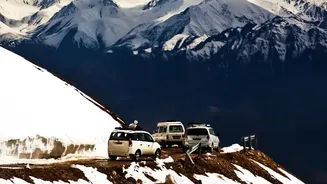
A hotel perched on a steep slope may offer stunning views, but it can become unreachable after a snowstorm. Ask about the hotel's exact location and its proximity to the main, cleared road. Can a standard taxi or car reach the entrance after fresh snowfall, or is a 4x4 required? Some roads become treacherous with 'black ice', which is a thin, invisible layer of ice. Inquire if the hotel offers its own transport or assistance if your vehicle gets stuck. Getting this information in writing can save you from being stranded.
What are the in-house dining options?
During heavy snow, roads can close, and getting to outside restaurants might be impossible. Confirm that the hotel has a functional in-house kitchen that remains open even in severe weather. Check if they stock enough provisions to handle potential road blockades that could last a day or two. Having reliable access to food is a critical part of your safety and comfort. Ask about their meal timings and whether they offer room service, which can be a blessing on days when it's too cold to venture out.
What kind of winter-specific amenities do you offer?
Beyond basic heating, some amenities can significantly improve your comfort. Ask if the hotel provides electric blankets, which are a fantastic way to ensure a warm bed. Do they have extra-thick blankets or quilts available? Are any of the rooms south-facing to take advantage of the winter sun for natural warmth? Small comforts like a hot water kettle in the room for tea or coffee can also make a big difference. These details show that a hotel understands the specific needs of winter travellers.
What is your emergency protocol?
While you hope for the best, it's wise to prepare for the worst. The Himalayas can be unpredictable. Ask if the hotel has a first-aid kit, arrangements with a local doctor, and a clear plan for medical emergencies. Find out about their communication systems in case mobile networks are down, which can happen during bad weather. Also, inquire about their cancellation and refund policy in case your travel plans are disrupted by road closures or extreme weather events before you even arrive.