
The Great Monsoon Retreat
September signals the end of the Southwest Monsoon across much of India. The withdrawal typically begins from the northwestern parts of the country, with forecasts for 2026 suggesting a potentially drier September as rainfall activity reduces. While some
eastern and northeastern areas might still see rain, large parts of the country are expected to transition to a drier weather pattern. This makes it a fascinating 'shoulder season' for travellers, a period that bridges the gap between the heavy rains and the peak tourist rush of winter. You get the benefit of post-monsoon greenery without the constant downpours, though it's always wise to pack for occasional showers.
High-Altitude Heaven in Ladakh
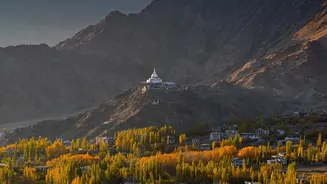
For mountain lovers, September is arguably one of the best times to visit Ladakh. With the summer crowds thinning out, the region feels more serene. The monsoon has little effect here due to the Himalayan rain shadow, meaning the weather is largely dry. Daytime temperatures are pleasant, hovering around 15°C to 20°C, perfect for sightseeing and road trips. The skies are a brilliant, clear blue, offering stunning visibility for photographers. Both the Srinagar-Leh and Manali-Leh highways are typically open, making the region accessible for road trippers. However, be prepared for cold nights, where temperatures can drop to nearly 5°C, and even colder at high-altitude lakes like Pangong.
Rajasthan's Green and Pleasant Land
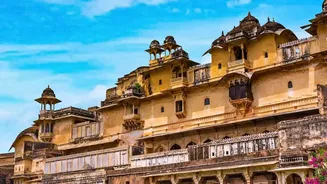
The headline's other anchor, Rajasthan, also enters an inviting phase in September. The fierce heat of summer has passed, and humidity levels begin to drop as the monsoon recedes. The state, often imagined as purely arid, is surprisingly lush and green after the rains, and its many lakes are full. This month is considered a shoulder season, meaning you'll find fewer crowds at popular sites like Jaipur’s forts and Udaipur’s palaces, along with more competitive hotel rates. While there can be light, sporadic showers, especially in the first half of the month, the weather is generally very pleasant with temperatures often around 30°C. Desert safaris in Jaisalmer also tend to resume by mid-to-late September.
Lush Landscapes of the South and West
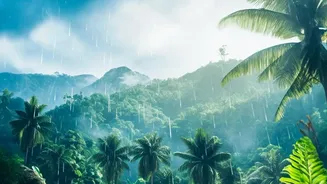
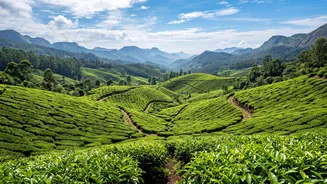
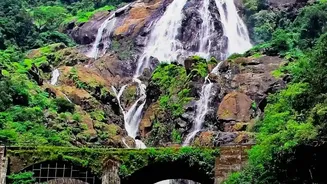
It's not just the north that shines in September. In the south, Kerala emerges from the heaviest of its monsoon, its backwaters full and its tea gardens a vibrant emerald green. While you can still expect some rain, the downpours become less frequent, especially towards the end of the month. This post-monsoon freshness also makes the Western Ghats in states like Karnataka and Maharashtra exceptionally beautiful. Waterfalls are at their most powerful, and the hills are covered in a thick carpet of green, making it an ideal time for nature lovers and trekkers to explore destinations like Coorg and Mahabaleshwar.
Exploring the Uncrowded East
The northeast of India also presents a compelling case for September travel. In places like Meghalaya and Arunachal Pradesh, the landscape is incredibly vibrant after months of rain. It’s a great time to witness cascading waterfalls and explore the unique cultures of the region before the winter chill sets in. Ziro in Arunachal Pradesh, known for its idyllic pine-clad valleys, hosts its famous music festival this month, offering a blend of nature and culture. The weather is generally cool and pleasant, though carrying rain gear is still recommended as the monsoon's retreat can be slower in this part of the country.