


The Lush Hills of the Western Ghats
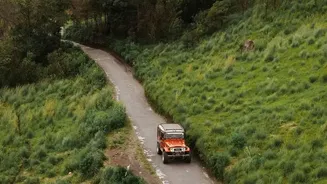
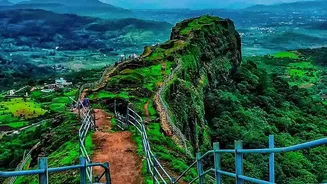
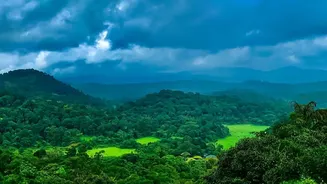
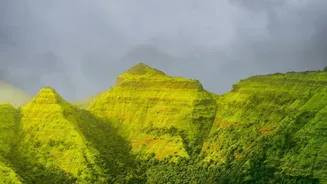
The Western Ghats, stretching from Gujarat to Kerala, are breathtaking after the monsoon. Hill stations like Coorg and Munnar transform into seas of green. In Coorg, Karnataka, the air is thick with the scent of wet earth and fresh coffee from its sprawling
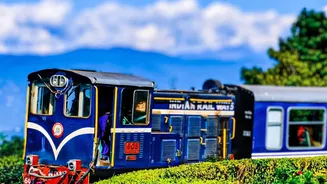
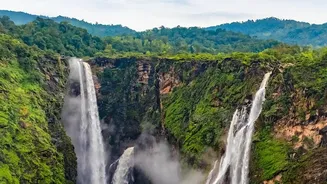
plantations. Waterfalls like Abbey Falls are in full spate, offering dramatic views. Further south, Munnar in Kerala is a paradise of rolling tea gardens veiled in mist. The pleasant weather is ideal for leisurely walks, scenic drives, and simply soaking in the tranquility of the rejuvenated hills before the winter crowds arrive. This period is perfect for nature lovers looking to experience the region's serene beauty.
The Clear Skies of the Himalayas
The post-monsoon season, from late September to November, is widely considered the best time for trekking in the Himalayas. The rain washes the atmosphere, leaving behind crystal-clear skies and unparalleled views of snow-capped peaks. Destinations in Uttarakhand like the Valley of Flowers National Park showcase their last, vibrant blooms against a Himalayan backdrop. For those seeking adventure, treks like Chopta Chandrashila offer gratifying adventures without extreme difficulty, leading to the world's highest Shiva temple, Tungnath. In Himachal Pradesh, the Tirthan and Sainj valleys retain their lush greenery long after the rains, serving as peaceful gateways to the Great Himalayan National Park.
The Reawakened National Parks
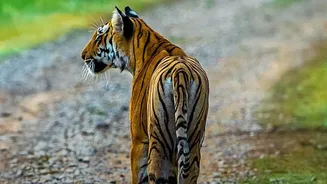
For wildlife enthusiasts, October marks a significant event: the reopening of most of India's major national parks and tiger reserves. After being closed for regeneration during the monsoon, parks in Central India like Bandhavgarh, Kanha, and Pench welcome visitors from mid-October. The forests are lush and the landscape is vividly green, offering a stunning backdrop for safaris. While the tall grass can sometimes make sightings a challenge, the wildlife is active and the tourist footfall is lower than in the peak winter months. It's an excellent time for photographers and those who appreciate the atmospheric beauty of the jungle as it comes alive again.
The Golden Valleys of the Northeast
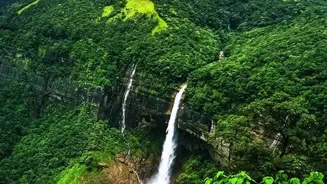
India's Northeast transforms into a magical realm post-monsoon. Meghalaya, one of the wettest places on Earth, becomes a spectacle of gushing waterfalls and verdant landscapes. The roads to places like Cherrapunji and Shillong are clearer, making exploration of its living root bridges and caves more accessible. In Arunachal Pradesh, Ziro Valley, a UNESCO World Heritage Site, is particularly beautiful after the harvest. Its landscape of golden rice fields set against pine-covered hills offers a peaceful and culturally rich escape, especially for those interested in the unique Apatani culture.
The Serene Waters of Kerala and Kashmir
The end of the monsoon replenishes India's famous water bodies. In Kerala, the backwaters are full and flowing, making it the perfect time for a tranquil houseboat cruise through the intricate network of canals and lakes. The surrounding paddy fields are intensely green, creating a picturesque setting. Meanwhile, in the north, Kashmir in October is painted in autumn colours. The famous Dal Lake in Srinagar offers serene shikara rides amidst golden foliage, with the crisp air and clear mountain views creating a paradise for visitors. A trip to the Mughal gardens or the meadows of Gulmarg and Pahalgam completes the experience of this 'paradise on earth'.