

Step 1: Pranamasana (Prayer Pose)
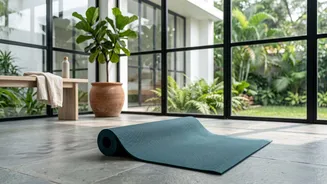
Begin by standing at the edge of your mat with your feet together, balancing your weight evenly. As you exhale, bring your palms together in front of your chest in a prayer position. This initial pose helps centre your mind and body, establishing a sense
of calm and stability before you begin the flowing sequence.
Step 2: Hasta Uttanasana (Raised Arms Pose)
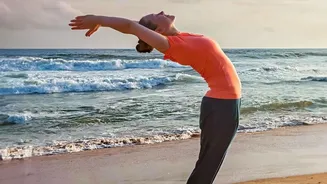
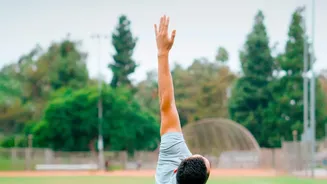
Inhale deeply as you lift your arms up and back, keeping your biceps close to your ears. The goal is to stretch the entire body from your heels to the tips of your fingers. This pose helps to lengthen the spine, open the chest, and improve lung capacity.
Step 3: Padahastasana (Hand to Foot Pose)
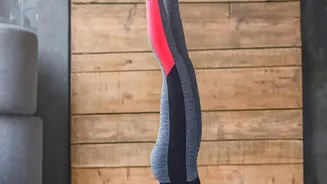
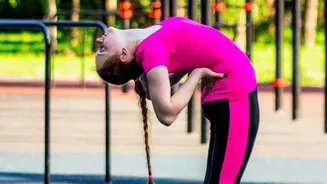
Exhale and bend forward from the waist, keeping your spine straight. Bring your hands down to the floor beside your feet. If you're a beginner, you can bend your knees slightly to help your palms reach the mat. This forward bend stretches the hamstrings and spine while helping to reduce abdominal fat.
Step 4: Ashwa Sanchalanasana (Equestrian Pose)
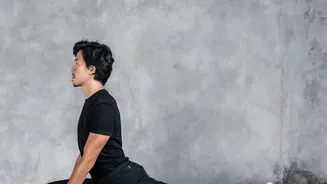
While inhaling, push your right leg back as far as possible. Bring the right knee to the floor and look up. Your left knee should be between your palms. This pose gives a deep stretch to the hip flexors and leg muscles, strengthens the legs, and improves concentration.
Step 5: Dandasana (Plank Pose)
As you exhale, take your left leg back to join your right leg, bringing your whole body into a straight line like a plank. Your arms should be perpendicular to the floor. This pose is excellent for building core strength and toning the arms, shoulders, and back muscles.
Step 6: Ashtanga Namaskara (Eight-Limbed Salute)
Gently bring your knees down to the floor and then, while keeping your hips slightly raised, lower your chest and chin to the ground. Your two hands, two feet, two knees, chest, and chin should all touch the floor. Hold your breath. This pose strengthens the chest, arms, and legs.
Step 7: Bhujangasana (Cobra Pose)
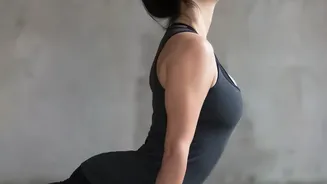
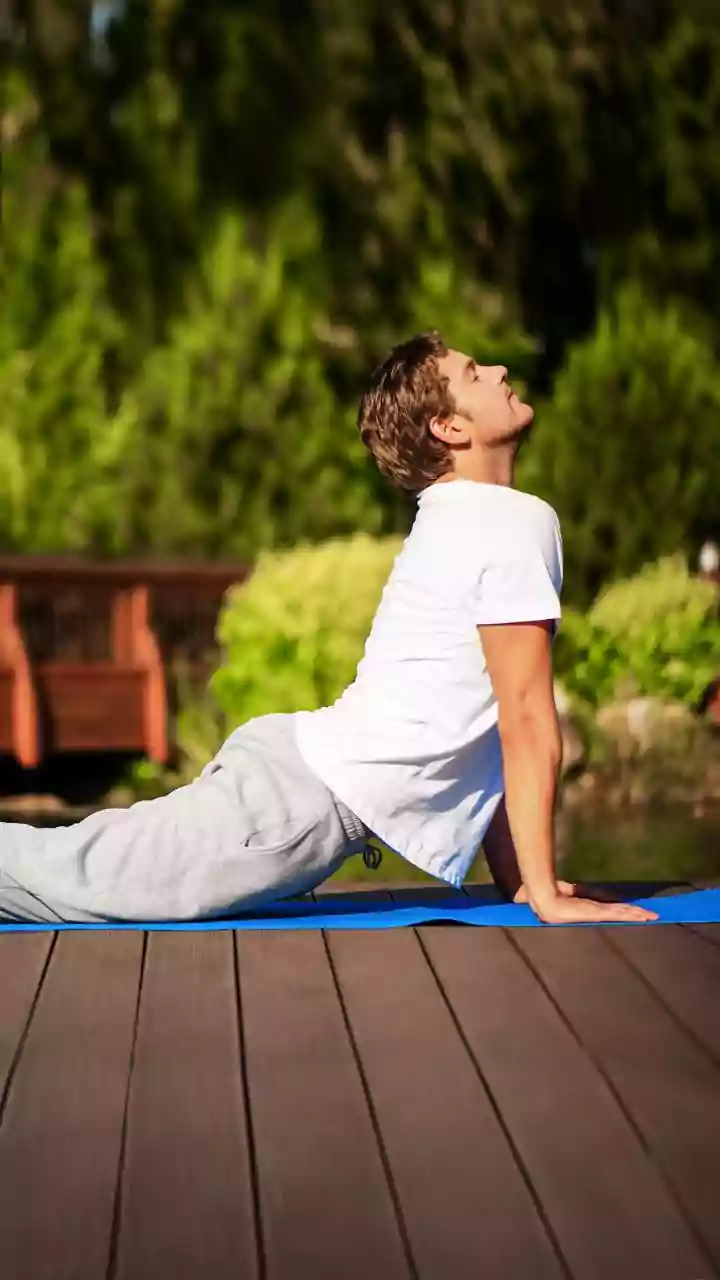
Inhale and slide forward, raising your chest up into the Cobra Pose. Keep your shoulders away from your ears and your elbows slightly bent. Look upwards. This is a powerful pose for increasing spinal flexibility, toning the abdominal muscles, and relieving stress and fatigue.
Step 8: Adho Mukha Svanasana (Downward-Facing Dog)
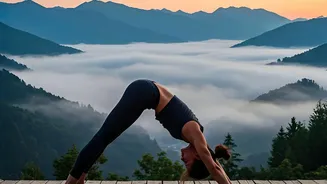
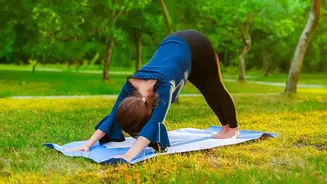
Exhaling, lift your hips and tailbone up to bring your body into an inverted 'V' shape. This pose, also sometimes called Parvatasana in this sequence, deeply stretches the shoulders, hamstrings, and calves, while also strengthening the arms and legs and improving circulation.
Step 9: Ashwa Sanchalanasana (Equestrian Pose)
As you inhale, bring your right foot forward between your hands. Your left knee comes down to the floor. Look up. This is a repeat of step 4, but with the opposite leg forward, continuing to work on hip flexibility and leg strength.
Step 10: Padahastasana (Hand to Foot Pose)
Exhale and bring your left foot forward next to your right foot. Bend forward from the waist, keeping your hands on the floor. This return to the forward fold continues to stretch the back of your legs and spine, preparing you to rise back up.
Step 11: Hasta Uttanasana (Raised Arms Pose)
Inhale and roll your spine up, raising your hands and stretching your arms up and back over your head, just as you did in step 2. This upward stretch elongates the spine and opens the chest, creating a sense of release and energy.
Step 12: Pranamasana (Prayer Pose)
As you exhale, first straighten your body, then bring your palms together in front of your chest. You have returned to the starting position, completing one full cycle. Take a moment here to notice the flow of energy through your body before beginning the next round.