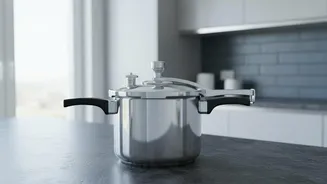







Why This Check Is Non-Negotiable
A pressure cooker works by building up a significant amount of steam pressure inside a sealed pot, cooking food at temperatures hotter than boiling water. This is what makes it so fast and efficient. However, that same pressure can be dangerous if not
properly contained. A tiny crack, a warped lid, or a worn-out seal can compromise the unit's integrity. At best, this leads to steam leaks and undercooked food. At worst, it can result in a sudden release of scalding hot food and steam, causing severe burns and property damage. Regular inspection is not about being overly cautious; it is a fundamental safety step for anyone who uses a pressure cooker.
The Gasket: Your First Line of Defence
The rubber or silicone ring, known as the gasket, is the most common point of failure and the most critical safety component. Before every single use, take it out and give it a quick check. Look for any signs of cracking, brittleness, or hardening. Feel it to see if it has become sticky or lost its flexibility. A healthy gasket should be pliable and fit snugly into the groove of the lid. If you notice any visible damage, or if steam has been consistently leaking from the sides of the lid, it is time to replace it immediately. As a rule of thumb, manufacturers recommend replacing the gasket every 12 to 18 months, regardless of visible wear, to ensure a perfect seal.
Scrutinising the Lid
The lid is more than just a cover; it's a complex assembly of safety features. First, check the rim of the lid itself for any dents, warping, or nicks. Even a small imperfection can prevent a proper seal. Next, inspect the pressure release valve and the vent tube (also known as the steam vent). Hold the lid up to a light source and ensure these are completely clear of any food particles or blockages. A clogged vent is extremely dangerous as it can lead to the build-up of excessive pressure. Also, check any locking mechanisms and safety valves, ensuring they move freely and are not damaged. Any cracks on the lid, especially near the rim or valves, are a sign to stop using the cooker immediately.
Examining the Cooker Body
The body of the cooker also requires a thorough inspection. Look for any significant dents or dings, both on the inside and outside. A major dent can warp the shape of the pot, preventing the lid from sealing correctly. Check the rim of the pot where the lid sits. It should be smooth and free of any damage that could interfere with the gasket's seal. Look at the base of the cooker; it should be flat to ensure even heating and stability on the stove. An uneven or warped base can cause hotspots, leading to burnt food and potential overheating. Finally, firmly grip the handles. They should be tight and secure, with no cracks or looseness. A loose handle could fail when you are moving a pot full of scalding hot food.
When to Repair vs. When to Replace
Knowing what to do when you find damage is crucial. Small, replaceable parts like gaskets and safety valves should be replaced according to the manufacturer's recommendations or as soon as they show wear. Always use authentic, brand-specific replacement parts for a guaranteed fit and function. However, if you discover significant damage to the main components—such as a warped or cracked lid, a dented body that affects the seal, or loose handles that cannot be tightened—the safest course of action is to replace the entire pressure cooker. Repairing structural damage is often not possible or safe, and the risk of catastrophic failure is simply too high. Do not take a chance with a compromised cooker.