




What Is This ‘Ancient’ Breakfast?
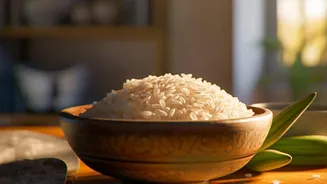
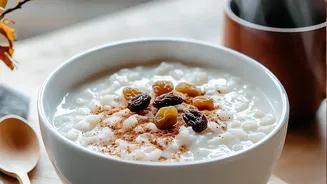
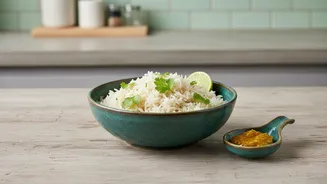
Pazhanthanji, also known as Pazhamkanji or Panta Bhat in different regions of India, is a simple dish with a profound history. At its core, it’s cooked rice, traditionally leftover from the previous night, submerged in water and left to ferment at room
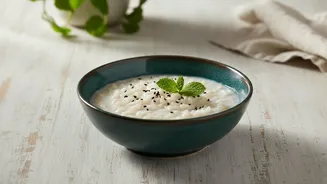
temperature overnight in an earthenware pot. By morning, a natural fermentation process transforms the simple grains into a nutrient-dense, slightly tangy gruel. This breakfast was historically the fuel of farmers and laborers who needed sustained energy for a long day of physical work. It was considered a poor man's food, born from a no-waste philosophy in an era before refrigeration, but its inherent benefits are now being recognized by a new generation.
A Probiotic and Nutrient Powerhouse
The magic of Pazhanthanji lies in its fermentation. The process encourages the growth of beneficial lactic acid bacteria, making the dish a natural probiotic that supports gut health, aids digestion, and boosts immunity. But the benefits don’t stop there. Scientific analysis shows that fermentation significantly increases the bioavailability of key micronutrients. The levels of iron, potassium, and calcium in the rice increase substantially. Furthermore, the fermented rice becomes a rich source of B vitamins, including the often hard-to-get vitamin B12, which is crucial for energy and nerve function. This molecular transformation makes the nutrients in the rice easier for the body to absorb.
From Farm Fields to Fitness Fuel
So why is a dish traditionally meant for laborers catching the eye of the fitness community? The answer lies in its unique nutritional profile. The easily digestible carbohydrates provide a source of slow-release energy, perfect for fueling a workout or replenishing stores afterward without the heaviness of other meals. Its natural probiotic content aligns perfectly with the growing focus on gut health as a cornerstone of overall wellness and athletic performance. For fitness enthusiasts looking for whole-food alternatives to processed supplements, Pazhanthanji offers a compelling package. It’s also known for its cooling properties, helping to regulate body temperature, which is especially beneficial in hot climates or after intense exercise.
How It’s Eaten Today
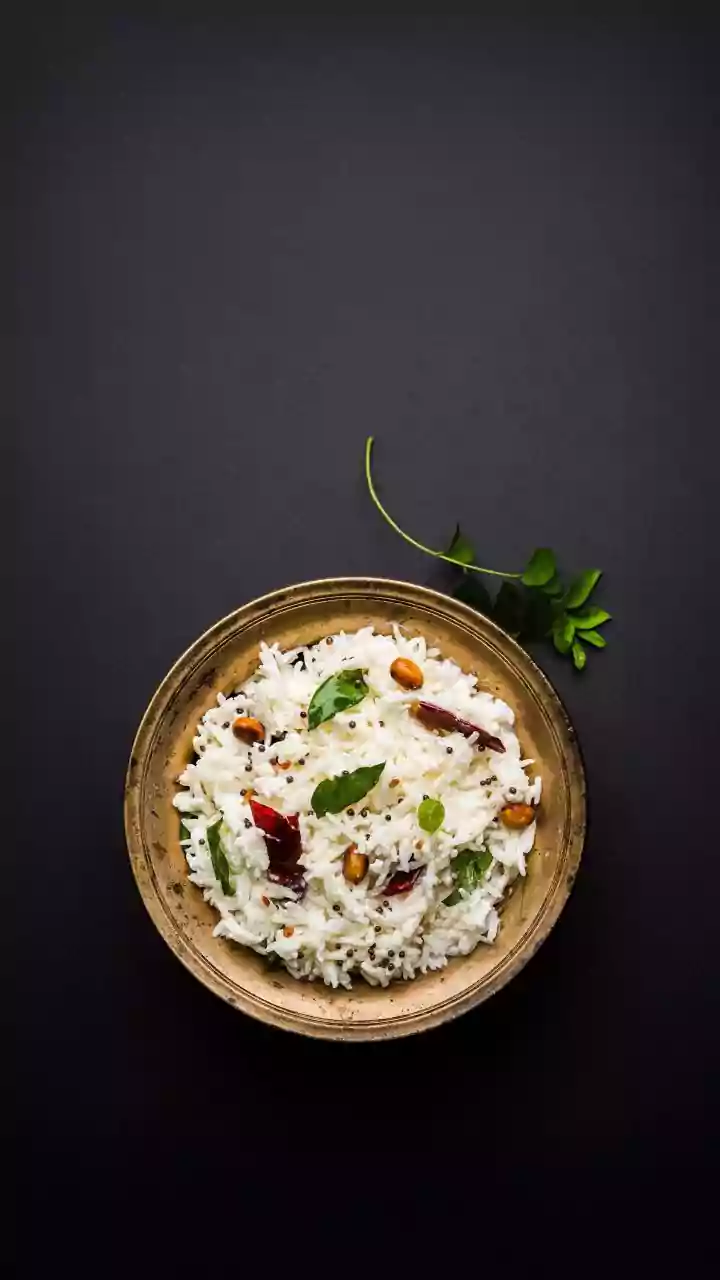
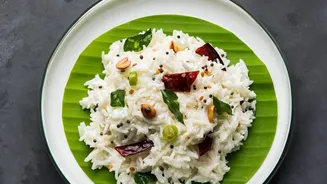
While traditionally eaten plain or with simple accompaniments, the modern revival of Pazhanthanji sees it served as a versatile bowl. It's typically prepared by mashing the fermented rice with its soaking liquid and adding salt. From there, common additions include yogurt or buttermilk, crushed shallots, green chilies, and fresh herbs like curry leaves. It can be served alongside pickles, chutneys, or even a simple vegetable stir-fry or fish curry to create a more substantial meal. This adaptability allows it to be customized for different tastes, transforming it from a simple gruel into a savory, refreshing, and deeply nourishing breakfast bowl that feels both ancient and perfectly suited for today’s health-conscious eater.